
Image: Mint (Business)
Anil Ambani returns to CBI for questioning in ₹2929 crore fraud case, raising critical questions about corporate accountability and banking practices.
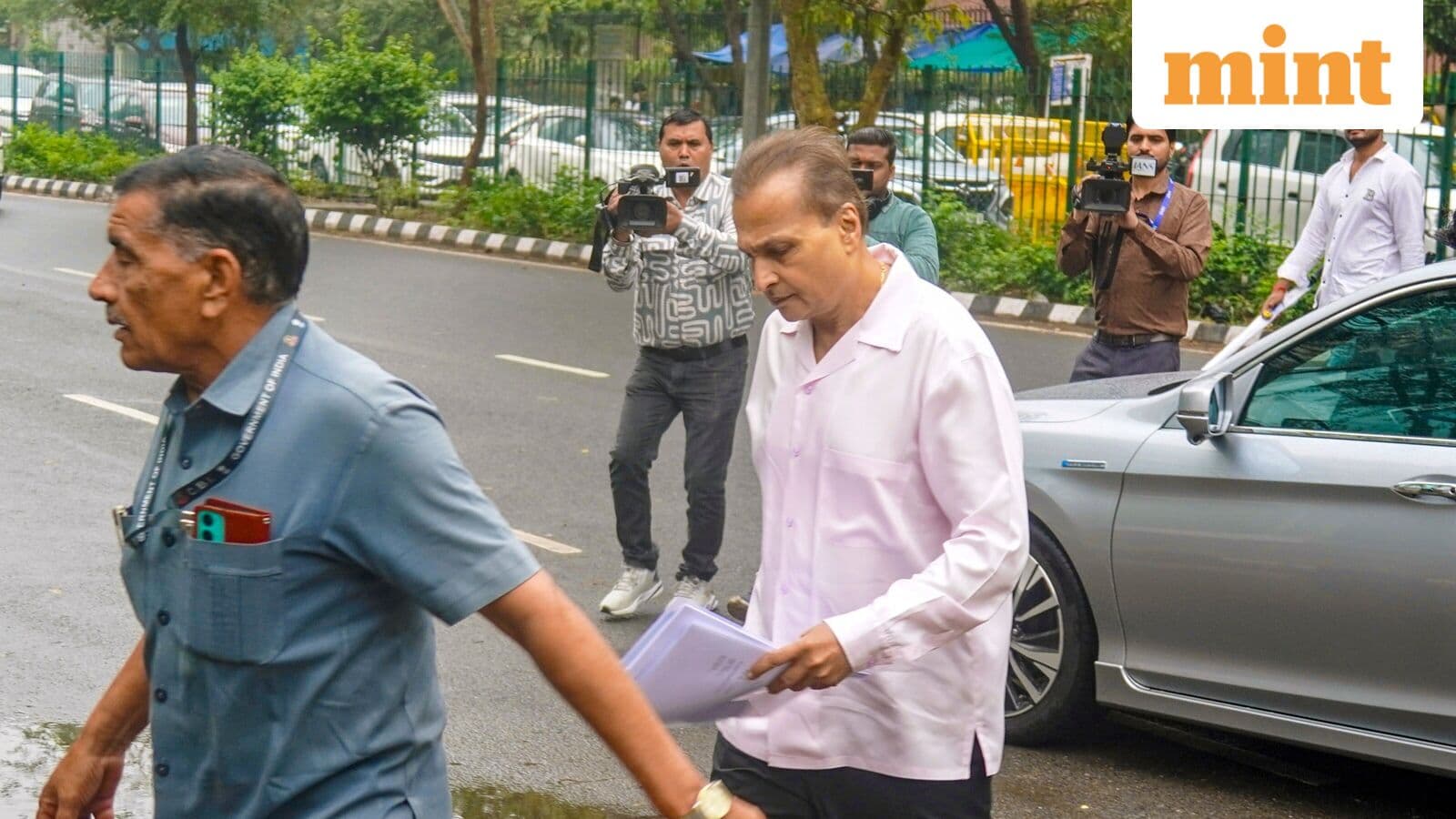
GlipzoAnil Ambani, the prominent Indian industrialist, found himself back at the Central Bureau of Investigation (CBI) headquarters in New Delhi on Friday, March 20, continuing a rigorous questioning process related to an alleged ₹2929.05 crore bank fraud involving Reliance Communications Ltd. (RCOM). This marks the second consecutive day of inquiry following an extensive eight-hour interrogation the previous day.
The investigation stems from a First Information Report (FIR) lodged due to a complaint from the State Bank of India (SBI), the lead entity among a consortium of 11 banks. This FIR has opened a complex web of allegations concerning financial misconduct and misappropriation of funds that have attracted significant media attention and public scrutiny.
The allegations against Ambani and RCOM date back to a complaint filed on August 18, 2025, which prompted the CBI to act. According to the complaint, a forensic audit revealed that from 2013 to 2017, there was a systematic diversion and misutilization of loan funds through convoluted transactions involving various group entities. This mismanagement allegedly resulted in a wrongful loss to SBI of ₹2929.05 crore, part of a broader total exposure amounting to ₹19,694.33 crore across 17 public sector banks.
The CBI's inquiry has expanded, with additional complaints emerging from other banks, including: - Punjab National Bank - Bank of India - Union Bank of India - UCO Bank - Central Bank of India - IDBI Bank - Bank of Maharashtra
These complaints suggest a pattern of financial irregularities, prompting the CBI to broaden its investigation into RCOM’s financial dealings and the role of Ambani.
As part of its investigation, the CBI executed search warrants authorized by a special court in Mumbai on August 23, 2025. These raids took place at two official premises belonging to Reliance Communications, as well as Ambani’s residence. During these searches, the agency seized several incriminating documents, which are pivotal to building its case against the accused.
This investigation has raised serious questions about corporate governance and the ethical responsibilities of business leaders in India. The revelations from these inquiries could have profound implications for the integrity of financial institutions and the accountability of corporate entities.
As Anil Ambani continues to face scrutiny from the CBI, the outcome of this investigation remains uncertain. Following his second day of questioning, it is anticipated that he may be called for further interrogations or even face formal charges based on the evidence gathered.
The implications of this case extend beyond Ambani and RCOM. Should the investigation substantiate the allegations, it could significantly impact the financial standing of the involved banks and potentially lead to a broader examination of regulatory practices in India’s banking sector.
Additionally, as the CBI uncovers more details, stakeholders from various sectors will be watching closely to see if this case leads to legal reforms aimed at bolstering corporate accountability and transparency in financial dealings.
The ongoing investigation into Anil Ambani and Reliance Communications holds critical importance for several reasons: - Corporate Accountability: It emphasizes the need for greater transparency and accountability among corporate leaders, particularly in large corporations that manage significant public funds. - Banking Sector Health: The case could reveal vulnerabilities within the banking sector, shedding light on how financial institutions handle corporate loans and manage risks associated with large borrowers. - Public Trust: The investigation is crucial in maintaining public confidence in the financial system, which can be shaken by high-profile fraud cases.
As this situation unfolds, it is essential to monitor further developments, including additional testimonies from Ambani and other involved parties, as well as potential legal actions that may arise from the CBI’s findings. The fallout from this case may set a precedent for how similar cases are handled in the future, making it a significant moment in the intersection of business and law in India.
In conclusion, while Anil Ambani navigates the complexities of this investigation, the broader implications for corporate governance and financial integrity in India remain at the forefront of public discourse. Stakeholders across the board will be keenly observing the outcomes as the story continues to evolve.
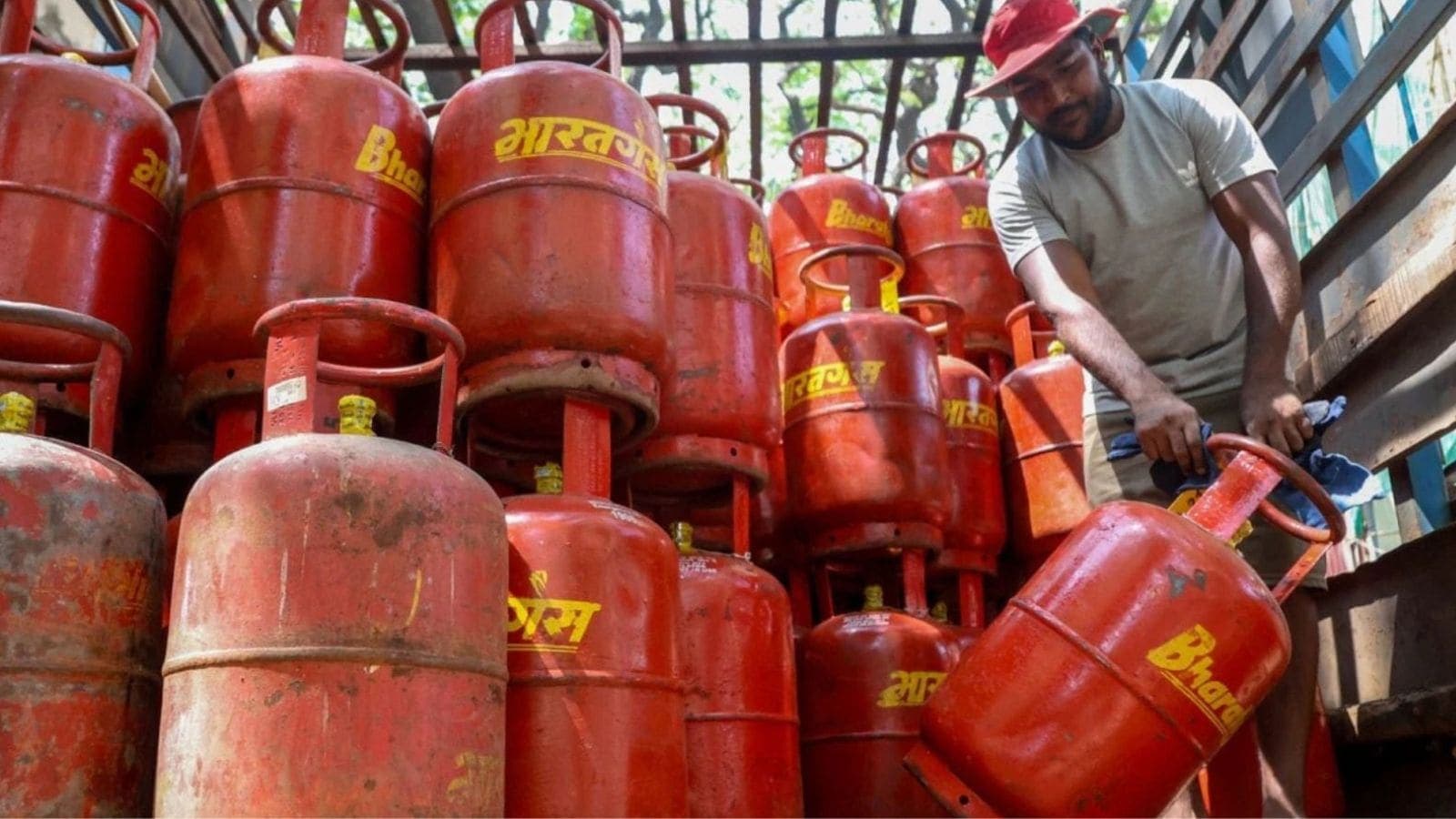
Commercial LPG prices have risen again, with increases of ₹42 in Delhi and ₹53.50 in Kolkata impacting businesses and consumers alike. Find out more.
Indian Express
Discover how a tragic coal mine explosion in Shanxi, China, reveals ongoing safety concerns in the industry amidst a push for green energy.
BBC Business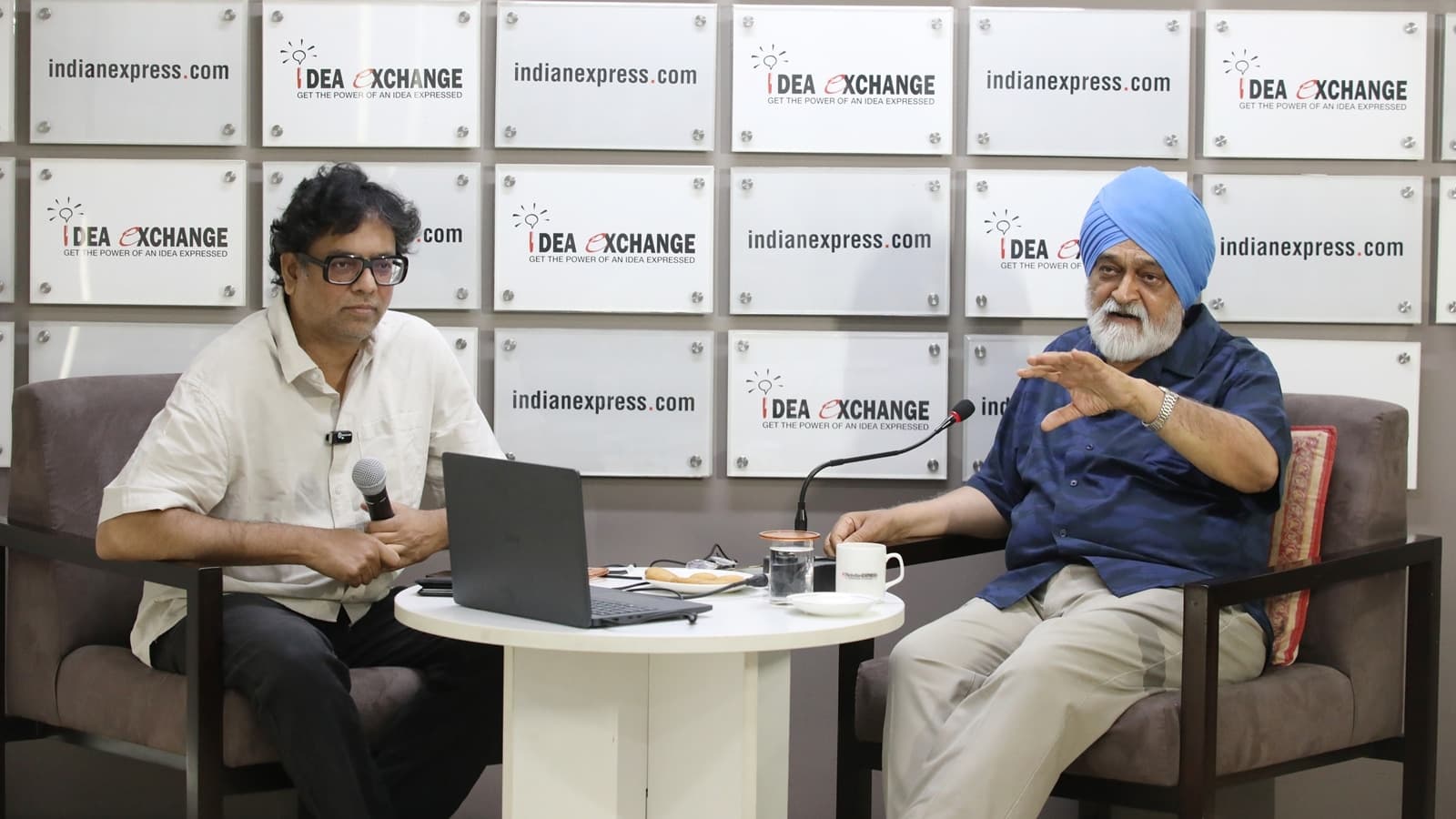
Montek Singh Ahluwalia highlights key economic challenges for India, emphasizing the need for a strategic approach to balance payments and investment.
Indian Express