

Image: BBC Technology
Amazon plans to stop supporting older Kindle models, leaving millions of users frustrated and raising concerns about e-waste. What does this mean for you?
GlipzoAmazon has officially announced it will cease support for older Kindle models, sparking a wave of frustration among long-time users. Starting May 20, 2026, devices released in 2012 or earlier, such as the Kindle Touch and various Kindle Fire tablets, will no longer receive updates or support, according to emails sent to affected customers. This decision has left many users feeling blindsided and upset, questioning why the company would render their devices obsolete despite their continued functionality.
In the emails, Amazon expressed gratitude to users for their loyalty, but the news that their e-readers would no longer be able to download new e-books was met with dismay. Many users took to social media platforms, including X, to voice their concerns. One user lamented, "I have a Kindle Touch that I've had since 2013; it works great, I bought a book on it a few months ago, and suddenly it's obsolete."
The ramifications of this decision are significant. While users will still be able to read previously downloaded e-books and access their Kindle Library through the mobile and desktop apps, the inability to purchase or borrow new content effectively limits the functionality of these older devices. As Amazon noted, these models have been supported for over 14 years, with some devices lasting as long as 18 years. However, the company emphasized that the rapid advancements in technology necessitate this change.
An Amazon spokesperson stated, "These models have been supported for at least 14 years... but technology has come a long way in that time, and these devices will no longer be supported moving forward."
The affected Kindle models include: - Kindle Touch - Kindle Fire (various models) - Kindle Keyboard - Kindle (various models)
Critics argue that this move will make up to 2 million devices obsolete, potentially creating over 624 tons of electronic waste. Ugo Vallauri, co-director of the Restart Project, which advocates for electronic repairs, expressed concern that companies often leverage upgrades as a reason to abandon older products. He remarked, "That's hardly a good reason for soft-bricking millions of still functioning devices."
Users like Kay Aaronricks, who has relied on her 14-year-old Kindle, shared their emotional responses to the announcement. Kay expressed surprise at both the news and her feelings of sadness over the potential loss of her beloved device. "It does show how much of a part that Kindle plays in my life," she said. She highlighted the convenience of having access to her entire library while traveling and working, emphasizing that e-readers offer practicality that physical books cannot always match.
However, she also voiced concerns about newer Kindle models that come with advertisements. "It's about taking yourself away from reality and disconnecting from advertising, marketing, social media, all those other things that we're surrounded with in life," she added. This sentiment resonates with many users who value the simplicity and distraction-free nature of older e-readers.
Tech industry analyst Paolo Pescatore weighed in on Amazon's decision, acknowledging the frustration of current Kindle owners but also defending the rationale behind it. He explained, "The challenge is that these devices were built for a different era and are not equipped to run newer, more data-hungry services and features." Pescatore noted that aging hardware can lead to performance issues, making it necessary for companies to phase out support for older technology.
He cautioned that without ongoing support, older devices can become limited tools, unable to connect to the latest services and features. This shift not only affects user experience but also raises concerns about the environmental impact of discarded technology.
As the news unfolds, the conversation around e-waste and the lifecycle of electronic devices gains urgency. With millions of devices potentially rendered obsolete, the need for sustainable solutions becomes more pressing. Advocates for electronic repair and sustainability are calling on manufacturers like Amazon to consider the longevity of their products and the environmental consequences of planned obsolescence.
The response from Amazon and other tech giants to this growing concern will be crucial in shaping the future of consumer electronics. As users grapple with the implications of this change, it will be essential for them to voice their opinions and push for a more sustainable approach to technology.
In the coming months, it will be important to watch how Amazon manages the backlash from its decision. Will they offer further incentives for users to upgrade, or will they reconsider their policy in light of public outcry? Additionally, the conversation surrounding e-waste will likely gain momentum as consumers become increasingly aware of the environmental impact of discarded electronics.
As technology continues to advance, the challenge for companies will be to balance innovation with sustainability, ensuring that they do not neglect their loyal customer base in the process. The fate of millions of older Kindle devices hangs in the balance, and how this situation unfolds will be a significant indicator of the tech industry’s commitment to both progress and responsibility.
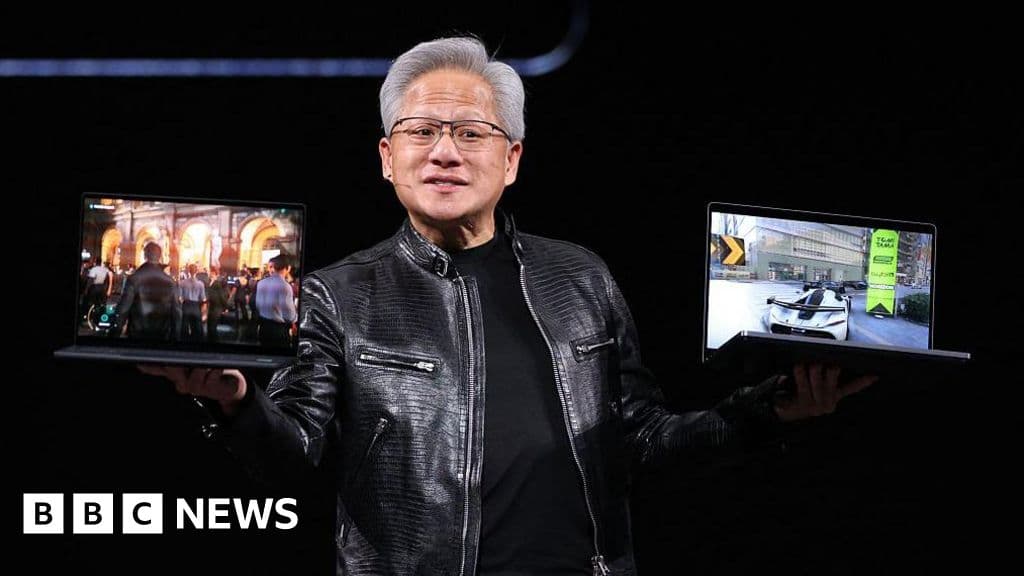
Nvidia's new RTX Spark chip aims to transform personal computing with AI, marking a significant shift in technology. Discover what this means for consumers.
BBC Business
The explosion of Blue Origin's New Glenn rocket raises significant concerns over NASA's lunar ambitions and the future of Amazon's satellite projects. Discover the implications.
BBC Science
Discover how Meta's lack of engagement on user bans raises critical concerns about accountability and transparency in social media governance.
BBC Technology