

Image: Mint (Business)
ALPA warns pilots in West Asia to stay vigilant amid escalating conflicts. Key advice includes risk assessments and insurance reviews. Click to learn more!
GlipzoIn a critical advisory released on Thursday, the Airline Pilots' Association of India (ALPA) has called on flight crews operating in specific corridors of West Asia to adopt a state of heightened vigilance. This precaution comes in light of the ongoing conflicts in the region, which have heightened risks associated with civil aviation.
The advisory emphasizes the need for rigorous operational risk assessments as tensions escalate due to military actions, particularly those involving the United States and Israel. On February 28, military strikes in the area led to airspace closures and significant logistical challenges for commercial airlines. To mitigate risks, ALPA has urged pilots to stay thoroughly informed about their flight operations, including reviewing mission briefings, NOTAMS, and corporate guidelines before departure.
ALPA's advisory highlights several potential threats that could affect civil aviation, including: - Airspace closures due to military activities - Increased activity from missiles and drones - Disruptions from electronic warfare - Risks of misidentification of civilian aircraft in conflict zones
In their statement, ALPA noted, "Recent geopolitical developments and escalating military tensions in several areas of the Middle East have resulted in an increased risk to civil aviation operations. While operators may proceed with scheduled flights based on regulatory clearances, it is crucial for pilots to recognize that the risk landscape can change swiftly and unexpectedly."
The association also stressed the importance of reviewing aviation insurance policies, particularly regarding war-risk clauses. ALPA warned that underwriters might cancel or restrict coverage for flights operating in or near designated combat zones. Pilots and flight teams are advised to: - Review their insurance clauses carefully - Understand the ramifications of operating in high-risk airspaces - Ensure comprehensive risk assessments are conducted before any flight in conflict-affected areas
ALPA added, "In such circumstances, ambiguity regarding insurance protection could arise, and it is essential for flight crews to be aware of their coverage limitations."
Safety remains the utmost priority for ALPA, which reiterates that flight crews should not hesitate to voice safety concerns. The advisory encourages pilots to utilize established reporting channels to address any perceived operational risks. ALPA stated, "Members should feel empowered to seek clarification on safety issues if they feel that operational risks are not being properly managed."
In addition to highlighting external risks, ALPA is actively monitoring the evolving situation and remains engaged with international pilot associations and aviation authorities to represent the interests of Indian pilots effectively. The association is committed to ensuring that safety protocols are upheld at all levels of aviation operation.
In related developments, the Ministry of External Affairs (MEA) reported on the repatriation of approximately 280,000 Indian citizens from West Asia. During a briefing, Aseem Mahajan, Joint Secretary for the Gulf region, noted that while some nations continue to experience operational disruptions, the overall flight situation is progressively improving. He stated, "Overall, the flight situation continues to improve with additional flights operating since February 28, with around 280,000 passengers having returned to India from the region."
As tensions in West Asia remain a pressing concern, the MEA continues to oversee the situation closely, ensuring the safety and well-being of Indian nationals abroad.
As the geopolitical landscape of West Asia remains volatile, the implications for civil aviation are profound. Pilots and aviation professionals must stay informed and prepared as the risk environment can shift rapidly. The actions taken by ALPA are critical in safeguarding the interests of pilots and ensuring the safety of passengers.
Moving forward, travelers should remain vigilant and informed about their flight routes, and airlines must enhance communication with flight crews to adapt to any changes in the operating environment. The ongoing situation will likely require continuous assessment, and stakeholders in the aviation industry must prioritize safety in all operations.
In conclusion, as the situation unfolds, it will be essential for all involved in aviation to navigate these challenges with an emphasis on safety and preparedness. Keeping an eye on developments and staying informed will be key for both airline operators and passengers alike.
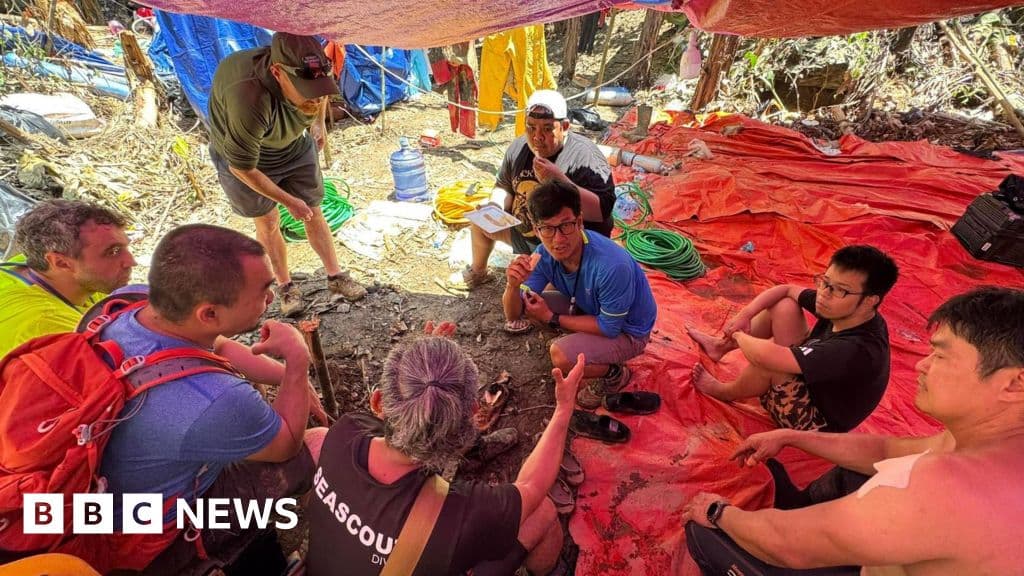
Survivors of the Laos cave rescue are aiding efforts to find the last two missing men trapped inside, sharing crucial insights for the search operation.
BBC World
A year after the tragic Air India crash, the Ali family reflects on grief, unanswered questions, and the enduring bonds of love in the face of loss.
BBC Business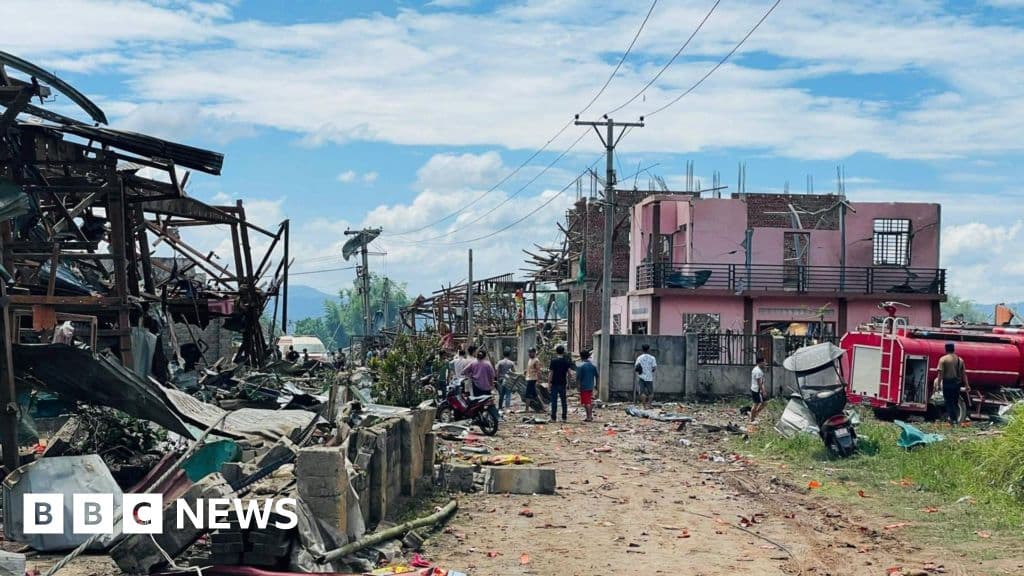
A devastating explosion in Myanmar's Kaung Tat village has killed at least 55 people, raising serious safety concerns and questions about civilian protection in conflict zones.
BBC World