
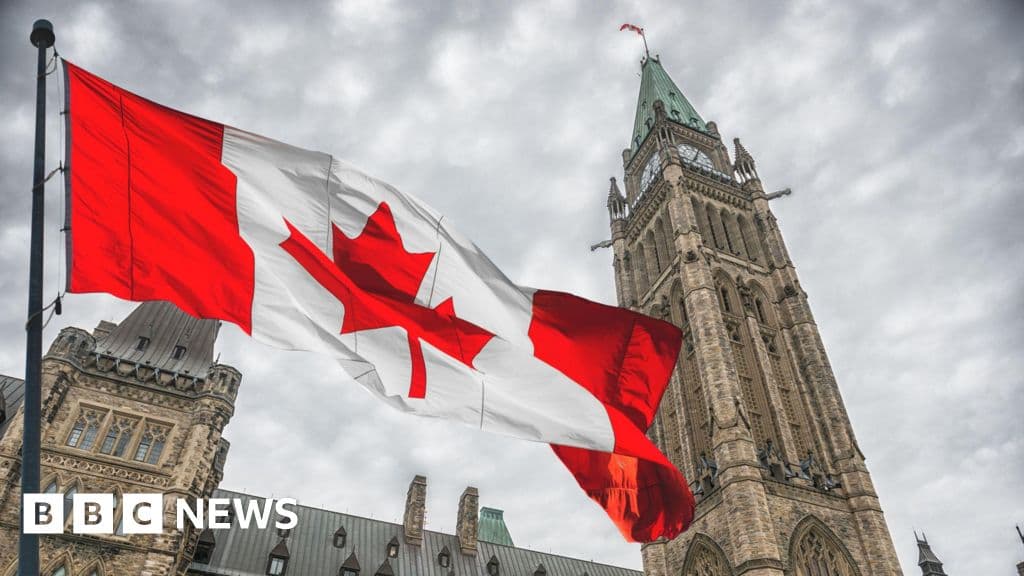
Image: BBC World
Alberta proposes to restrict medically assisted dying to end-of-life cases, prompting a national debate on euthanasia and mental health protections.
GlipzoIn a significant move, Alberta has introduced a groundbreaking bill aimed at limiting the application of medically assisted dying (MAID) exclusively to end-of-life scenarios. This decision is part of an ongoing debate surrounding euthanasia in Canada, which has seen considerable changes in the past few years.
In 2021, Canada expanded access to MAID, allowing individuals with serious, incurable illnesses or disabilities to seek assistance in dying, even if their death was not immediately foreseeable. This controversial legislation is set for another expansion next year, which would include individuals whose only medical condition is a mental illness—a move that has already been delayed twice.
What makes Alberta's move especially notable is that it marks the first time a Canadian province has independently attempted to impose restrictions on MAID. During a press conference on Wednesday, Alberta Premier Danielle Smith emphasized that MAID should be reserved for those with no prospects for recovery.
> “This legislation strengthens safeguards and restores clear limits on eligibility to protect vulnerable Albertans facing mental illness or living with disabilities,” Smith stated. “Those struggling with severe mental health challenges need treatment, compassion and support, not a path to end their life at what may be their lowest moment.”
The proposed legislation goes further by prohibiting healthcare providers from raising the topic of MAID with patients unless the patients bring it up. It also seeks to ban public advertising of MAID in healthcare settings and includes conscience protections for medical professionals who may have moral objections to the practice.
Despite broad support for MAID across Canada, there is a growing concern about the adequacy of safeguards in place. Recent polls indicate that while many Canadians are in favor of the practice, there is significant debate over its expansion. Critics argue that vulnerable populations, especially those facing mental health issues, could be at risk if the legislation is not carefully managed.
In 2016, Canada first legalized euthanasia for terminally ill patients, following a landmark court case in Quebec. As of now, approximately 5% of deaths in Canada involve medically assisted dying, with the majority of these cases (around 96%) deemed 'reasonably foreseeable' due to severe conditions like cancer. However, there is a concerning minority of cases where patients, while not terminally ill, have opted for assisted death due to chronic and debilitating illnesses that severely affect their quality of life.
While the federal government establishes eligibility criteria for MAID, provinces like Alberta are responsible for the implementation and regulation of these laws. To qualify for assisted dying in Canada, individuals must meet several requirements: - Be over 18 years old - Have a serious and incurable illness - Make a voluntary request without external pressure - Be in an advanced state of irreversible decline
An assessment from two independent doctors or nurse practitioners is required to confirm that all eligibility criteria are met. Alberta's proposed legislation aims to impose further restrictions on this process, raising questions about future access to MAID across Canada.
Organizations advocating for the rights of individuals with disabilities have welcomed Alberta's proposed legislation. Moira Wilson, president of Inclusion Canada, expressed support, stating that the new measures would enhance protections for individuals who are not nearing the end of their lives.
> “We urge the federal government to review Canada's MAID law and ensure the same level of protection exists for people with disabilities across the country,” Wilson said.
Similarly, Mara Grunau, CEO of the Canadian Mental Health Association's Alberta division, praised the initiative, asserting that recovery from mental illness is not only possible but expected.
> “For that reason, we welcome the steps Alberta is taking to strengthen protections for those experiencing mental illness,” Grunau noted.
On the flip side, advocates for broader access to MAID have voiced strong opposition to the proposed limitations. Helen Long, a notable figure in the advocacy community, criticized the bill, arguing that it could restrict the choices available to vulnerable individuals. This has raised concerns about the potential erosion of autonomy for those who may find themselves in desperate situations.
The implications of Alberta's proposed legislation extend beyond its borders, igniting a national conversation regarding the ethics and logistics of medically assisted dying. As Canada grapples with the complexities of mental health, disability rights, and end-of-life care, the decisions made in Alberta could set a precedent for other provinces to follow.
As the dialogue around MAID continues to evolve, Albertans and Canadians should remain vigilant. The proposed bill will likely spark further discussions about the balance between individual rights and societal responsibility. Observers will be keenly watching how this legislation unfolds and what impact it may have on vulnerable communities across the country.
In summary, Alberta's initiative to limit medically assisted dying presents a critical opportunity for reflection on the ethical and practical aspects of euthanasia in Canada. The outcome could reshape the landscape of assisted dying laws and influence future policy decisions nationwide.

Tensions soar as the US and Iran engage in air strikes near the Strait of Hormuz, raising concerns over global oil supply and regional stability.
BBC World
Trump's international interventions face serious stalemates. What will this mean for U.S. foreign policy? Explore the critical challenges ahead.
Indian Express
Tehran denies resignation of President Masoud Pezeshkian amid claims of IRGC influence. What does this mean for Iran's political stability? Click to learn more!
Indian Express