

Image: BBC Business
Airfares have surged nearly 25% due to the Iran conflict, impacting travelers. Learn how fuel prices and airline operations are affected.
GlipzoIn a startling development for travelers, airfares have surged by nearly 25% over the past year, driven primarily by the ongoing conflict in the Middle East. A recent report from consultancy firm Teneo reveals that average economy ticket prices are significantly higher, reflecting the broader impact of geopolitical tensions on the airline industry. This increase in fares is not merely a result of seasonal demand but is intricately linked to operational disruptions faced by airlines amidst the war.
The implications of this spike extend beyond just ticket prices. Airlines are now compelled to reroute flights due to airspace restrictions, leading to increased fuel consumption and operational costs. The findings underscore a complex interplay between fuel price hikes and the availability of flight options, particularly on long-haul routes.
As the conflict in the Middle East escalates, disruptions to oil supplies have pushed jet fuel prices to unprecedented levels, rising from approximately $85-$90 per barrel to between $150-$200 per barrel in recent weeks. Given that fuel constitutes up to 25% of airlines' operating expenses, this surge is having a direct impact on ticket prices.
Moreover, the report highlights a significant reduction in capacity on long-haul routes typically serviced by Gulf carriers, which have faced severe operational disruptions. While some competing airlines have expanded their services to cover certain long-haul destinations, the overall availability of seats remains below normal levels, exacerbating the situation for travelers.
In light of these challenges, airlines operating in the UK are sounding the alarm about the potential for further increased fares and flight reductions if the conflict persists or worsens. They are urging the government to implement measures to mitigate the adverse effects of the airspace closures, particularly around the Strait of Hormuz.
Among the requests made by Airlines UK, an organization representing numerous carriers including British Airways, EasyJet, and Ryanair, are demands for: - Classification of delays and cancellations due to fuel shortages as “extraordinary circumstances” to avoid compensation payouts. - A suspension or reduction of the Air Passenger Duty, a tax that burdens passengers. - Easing of night flight restrictions and relaxing the rules governing take-off and landing slots to prevent airlines from losing valuable operational slots.
The UK's Department of Transport has stated that airlines are currently not facing a shortage of jet fuel, emphasizing their commitment to working with fuel suppliers and airlines to ensure continuity of operations. The department’s primary goal is to de-escalate the conflict and restore normalcy for passengers and businesses alike.
However, the airlines' requests have not garnered significant attention, as sources indicate that the government is not seriously considering these proposals at this time. Additionally, airlines are advocating for the temporary importation of Jet A, a type of aviation fuel produced predominantly in the United States, which could offer a solution to the current fuel crisis.
As travelers navigate this challenging landscape, understanding the driving forces behind fare increases and potential service disruptions is essential. The ongoing conflict in the Middle East not only affects airlines' operational capabilities but also significantly impacts passengers' travel plans, budgets, and overall experiences.
With the geopolitical situation remaining volatile, travelers should stay informed about potential changes in flight availability and pricing. It’s crucial for passengers to consider: - Monitoring fare trends and booking flights in advance to avoid last-minute price hikes. - Staying updated on travel advisories related to the Middle East conflict and its implications for air travel.
As the situation unfolds, travelers can expect continued volatility in airfares and service availability. The crucial factors to watch include: - Fuel price fluctuations: As oil supply chains stabilize or further deteriorate, jet fuel prices may continue to rise, directly affecting ticket costs. - Government interventions: Potential policy changes in response to airline demands could impact operational practices and fare structures. - International relations: Developments in peace talks and conflict resolution efforts will play a significant role in stabilizing air travel and its associated costs.
In summary, travelers should prepare for a challenging air travel environment, characterized by rising costs and potential disruptions, as the situation in the Middle East continues to evolve. Staying informed and proactive will be key to navigating this turbulent period in travel history.
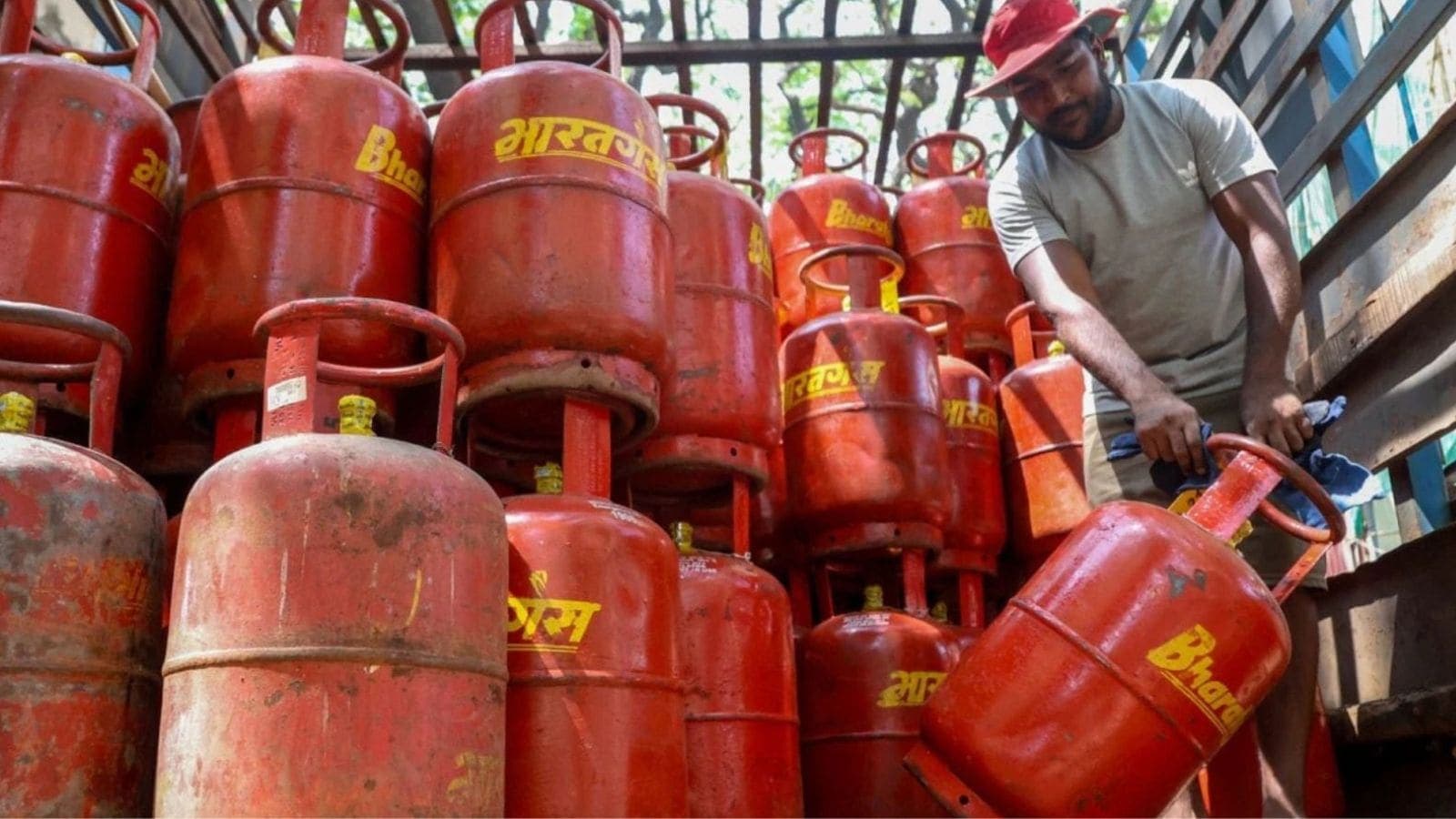
Commercial LPG prices have risen again, with increases of ₹42 in Delhi and ₹53.50 in Kolkata impacting businesses and consumers alike. Find out more.
Indian Express
Discover how a tragic coal mine explosion in Shanxi, China, reveals ongoing safety concerns in the industry amidst a push for green energy.
BBC Business
Montek Singh Ahluwalia highlights key economic challenges for India, emphasizing the need for a strategic approach to balance payments and investment.
Indian Express