Air India plans a special flight to Shannon on March 18 to transport stranded passengers to Delhi after a flight diversion due to a technical issue.
Air India Responds to Passenger Needs Amid Technical Issues
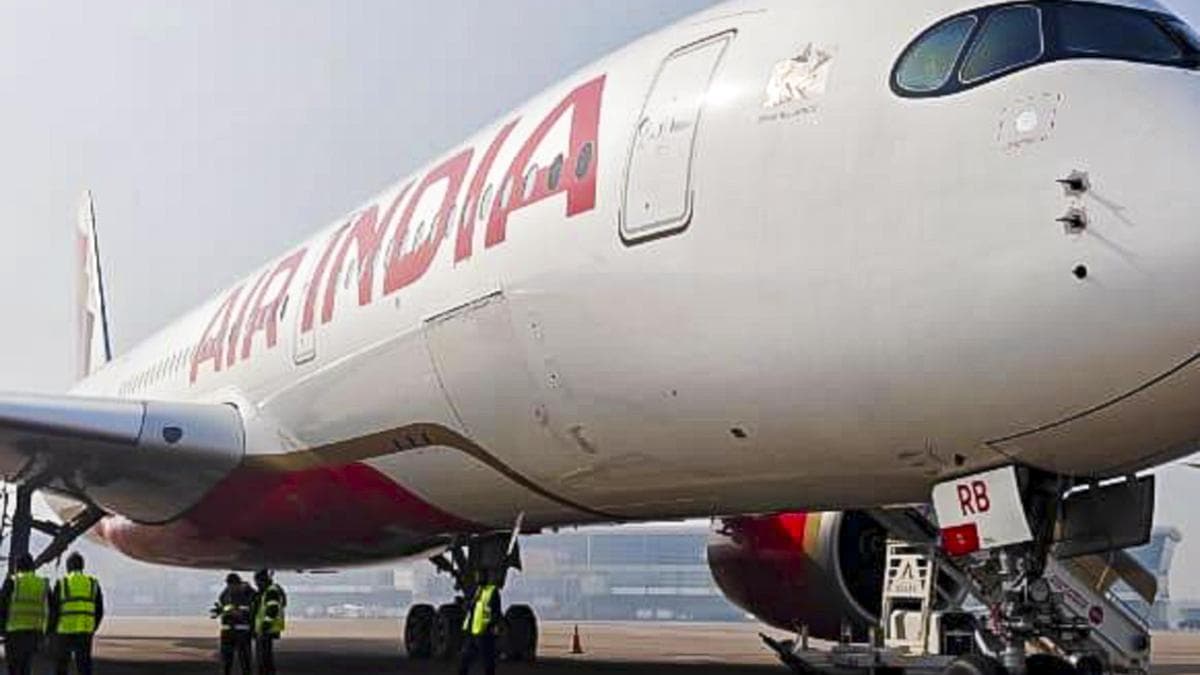
On **March 18, 2026**, Air India is stepping up to aid passengers who found themselves stranded in **Shannon, Ireland** after a technical glitch led to a flight diversion. The airline is set to operate a special flight to transport these passengers back to **Delhi**, ensuring they return home as swiftly as possible. This decision comes following an incident involving an **Air India A350** aircraft that was en route from **New York** to **Delhi** when it was diverted after nearly **six hours** of flight.
Technical Difficulties Prompt Emergency Landing
The flight, designated as **AI102**, was diverted to Shannon on **March 16** due to a suspected technical malfunction. According to Air India's official statement, the aircraft experienced unusual **vibrations and noise**, prompting the crew to make the precautionary decision to land safely.
Given the airline's commitment to passenger safety, the aircraft is undergoing thorough technical evaluations in Shannon, which requires additional time for inspection and repairs. While the exact nature of the technical issue remains undisclosed, the airline is prioritizing transparency and safety in its communications with affected passengers.
Special Flight Scheduled to Rescue Passengers
To alleviate the distress of the stranded passengers, Air India has announced plans to operate a special flight on **Wednesday**, likely departing from **Zurich** to shuttle the passengers back to Delhi. This initiative underscores the airline's dedication to customer service, particularly in unexpected situations that disrupt travel plans.
Passengers affected by this incident have been provided with updates and assistance as Air India ensures that they are not left without support during this challenging time. The airline's prompt action reflects its commitment to maintaining operational integrity and enhancing passenger experience, especially in the face of technical difficulties.
Background on Air India’s A350 Aircraft
The A350 aircraft involved in this incident was added to the Air India fleet in **April 2024**. Known for its long-range capabilities and advanced technology, the A350 is a significant asset in the airline’s operations, providing enhanced comfort and efficiency. However, as with any aircraft, technical issues can arise, necessitating vigilance and proactive measures from airlines to ensure safety and reliability.
Why This Matters for Air India and Its Passengers
The recent diversion and subsequent special flight underscore the complexities and challenges that airlines face in maintaining operational schedules while ensuring passenger safety. For Air India, this incident offers a vital opportunity to reinforce its **commitment to safety** and customer service, which can significantly affect public perception and trust in the airline.
Moreover, the swift response to the crisis can serve as a benchmark for how airlines should handle similar situations in the future. Passengers increasingly prioritize transparency and prompt communication, making it imperative for airlines to adapt and respond effectively.
Looking Ahead: What to Watch For
As Air India continues to address the situation, passengers and stakeholders will be keenly observing how the airline manages its response and the recovery of the aircraft. Key points to monitor include:
- **Updates on the aircraft's technical evaluations** and potential timeline for repairs.
- **Passenger experiences** during the special flight, which will reflect the airline's service quality.
- **Air India's communication strategy** in the wake of this incident, particularly regarding safety and reliability.
The incident serves as a reminder of the unpredictable nature of air travel and the importance of responsive customer service in the airline industry. As Air India navigates this challenge, it has the potential to strengthen its reputation and improve operational protocols for future incidents.