
Image: BBC Business
Air India Faces Crisis Amid Looming Crash Report
Air India faces turmoil ahead of the crash report release, with leadership changes and financial losses raising questions about its future. What’s next?
GlipzoKey Highlights
- Air India’s future is uncertain as it awaits crash report.
- CEO Campbell Wilson resigns amid $2.4 billion losses.
- Safety violations raise concerns over operational integrity.
- External challenges compound internal struggles for Air India.
- The impending AAIB report could reshape the airline's future.
Air India’s Turbulent Journey: A Crisis Unfolds
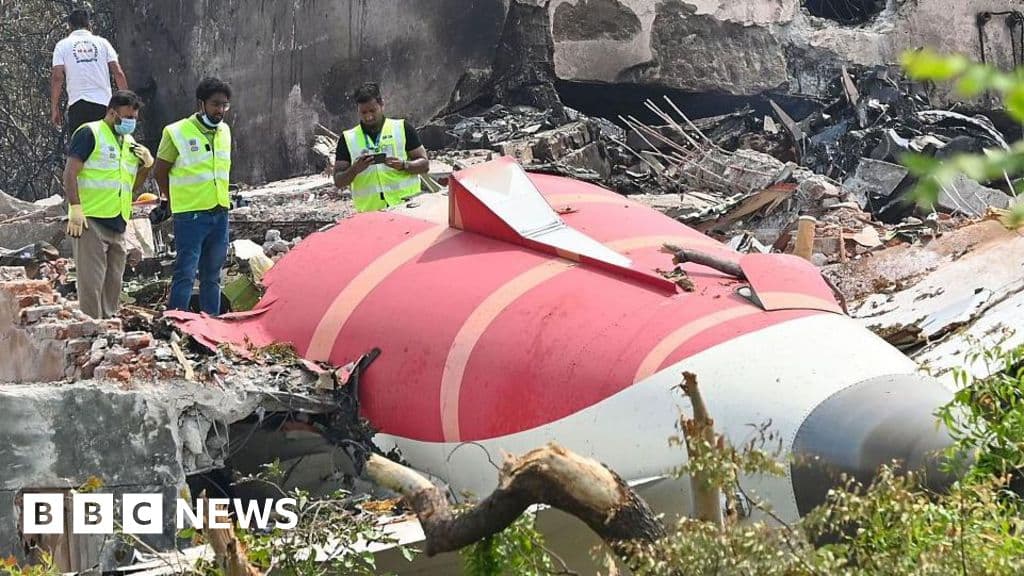
As the countdown begins for the Aircraft Accident Investigation Bureau (AAIB) to release its anticipated final report on the tragic crash of Air India flight AI-171, the airline finds itself grappling with a multitude of challenges. This devastating incident, which occurred on June 12, 2025, shortly after takeoff from Ahmedabad, resulted in the loss of 260 lives and has left a lasting impact on the airline’s reputation and operations.
In the wake of this tragedy, the already struggling Air India is facing intensified scrutiny and operational hardships. With financial losses piling up and leadership instability affecting strategic direction, the future of the airline is increasingly uncertain. The impending AAIB report could further complicate matters, as stakeholders are keenly awaiting insights into the factors contributing to the disaster.
Leadership Changes and Financial Woes
The situation at Air India has been exacerbated by significant leadership changes, most notably the resignation of Campbell Wilson, the airline's CEO, who stepped down amid mounting financial losses projected to reach $2.4 billion for the fiscal year ending in March 2026. This departure has left a leadership void at a critical juncture, raising concerns about the airline’s ability to navigate its myriad challenges.
Currently, Air India stands as the largest loss-making entity within the Tata Group, which acquired the airline from the Indian government in 2022. The Tata board has reportedly expressed growing concerns about the airline's performance, leading to discussions about cost-cutting measures and warnings to staff about potential hardships in the near future.
- **Key Issues Facing Air India:**
The situation has prompted speculation about the role of Singapore Airlines, which holds a 25.1% stake in Air India. The arrival of senior executives from Singapore Airlines at the Tata Group's headquarters in Mumbai has fueled discussions regarding their potential involvement in stabilizing the beleaguered airline.
Operational Challenges and Safety Concerns
Air India’s operational track record has come under fire in the past year, with numerous incidents casting doubt on its safety protocols. One notable event occurred in March, when a flight from Delhi to Vancouver was forced to return after nearly eight hours in the air due to a lack of regulatory approval for entry into Canadian airspace. This operational blunder, described by aviation experts as “highly unusual,” points to deeper systemic issues within the airline.
In addition, a recent audit by India’s aviation regulator revealed 51 safety violations at Air India, including seven high-severity lapses, underscoring the urgent need for comprehensive reforms within the organization. According to Jitendra Bhargava, a former executive director at Air India, the Tata Group may have underestimated the challenges posed by the airline's legacy issues, which have hindered efforts to implement a cohesive turnaround strategy.
External Factors Compounding the Crisis
While internal issues plague Air India, external factors have further complicated its recovery efforts. The airline had intended to expand its fleet with the acquisition of new aircraft, but supply chain shortages have delayed deliveries, disrupting its operational plans. Additionally, the airline has reduced its route offerings since 2024, eliminating key services like Delhi-Washington and Mumbai-San Francisco, which likely contributed to declining revenues.
Furthermore, the depreciation of the Indian rupee—which has fallen over 10% against the US dollar—has posed another significant challenge. Many of Air India's operational costs, particularly for fuel, are tied to the dollar, making the airline’s financial recovery even more difficult in a volatile economic environment.
What Lies Ahead for Air India?
As the AAIB prepares to unveil its findings on the crash, the implications for Air India could be profound. The report is expected to provide critical insights that may influence public perception and regulatory scrutiny moving forward. With leadership instability and operational challenges hanging over the airline, it will need a robust response to restore confidence among stakeholders.
The future of Air India hinges on several factors: - Leadership Stability: Finding a capable leader who can navigate the crisis and implement effective strategies is crucial. - Operational Overhaul: Addressing safety violations and operational inefficiencies must be a top priority to regain trust. - Financial Management: Streamlining costs and improving revenue generation will be essential for sustainability.
The next few months will be pivotal for Air India as it strives to turn the tide amidst a backdrop of challenges. Stakeholders will be watching closely to see how the airline addresses its issues and prepares for the crucial report that could shape its future.
Why It Matters
Air India's struggles are not just a corporate concern; they reflect broader issues within the aviation industry in India, including regulatory frameworks, safety standards, and the impact of economic fluctuations. The outcome of the AAIB report will likely resonate beyond Air India, influencing regulatory scrutiny and operational practices across the entire sector. As such, the airline's response to this crisis could serve as a bellwether for the future of aviation in India and the challenges it faces in a rapidly evolving global landscape.
Related Articles
Commercial LPG Prices Surge Again: ₹42 in Delhi, ₹53.50 in Kolkata
Commercial LPG prices have risen again, with increases of ₹42 in Delhi and ₹53.50 in Kolkata impacting businesses and consumers alike. Find out more.
Indian Express
Shocking Coal Mine Disaster in China Raises Safety Concerns
Discover how a tragic coal mine explosion in Shanxi, China, reveals ongoing safety concerns in the industry amidst a push for green energy.
BBC Business
Montek Singh Ahluwalia: Critical Economic Insights Unveiled
Montek Singh Ahluwalia highlights key economic challenges for India, emphasizing the need for a strategic approach to balance payments and investment.
Indian Express