
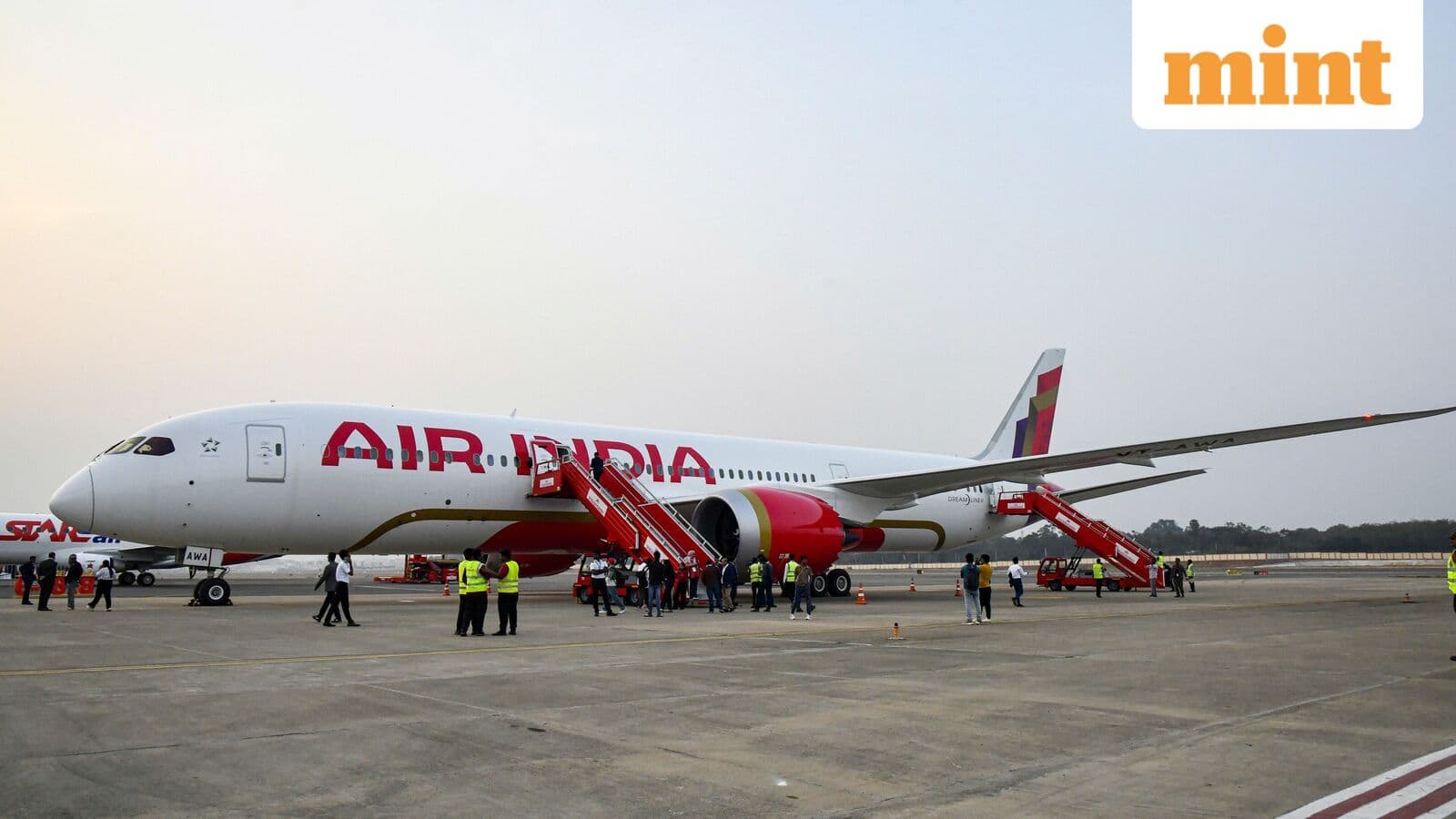
Image: Mint (Business)
Air India and Air India Express are adding 44 flights to West Asia amid rising conflict. Learn how this impacts travel and global security.
GlipzoBoth airlines are committed to maintaining essential connectivity, with Air India focusing on its established routes to Jeddah and Muscat. Specifically, Air India will conduct regular flights from Delhi to Jeddah, adding two additional flights from Mumbai. On the other hand, Air India Express will continue its scheduled services from Kozhikode and other major cities including Delhi, Kochi, Mangalore, Mumbai, and Tiruchirappalli to Muscat.
In addition to these regular flights, the airlines have announced plans for 24 non-scheduled flights to various destinations in the United Arab Emirates (UAE) and Saudi Arabia. These additional flights will be contingent upon slot availability and the prevailing conditions in those regions. An official statement from Air India confirmed that these operations would adhere to the necessary permissions from both Indian and local regulatory authorities.
The situation escalated further when Iran launched a series of attacks across the Persian Gulf, which have severely affected shipments at the UAE’s crucial oil hub. Just hours before the announcement of additional flights, both the UAE and Saudi Arabia reported multiple missile and drone strikes, leading to the temporary suspension of flights at Dubai’s main airport due to safety concerns.
This ongoing conflict, which reignited after U.S.-Israeli bombings of Iran on February 28, shows no signs of abating. The Strait of Hormuz, a vital maritime route for approximately 20% of the world's oil, is effectively closed, leading to significant global energy disruptions. Morgan Stanley estimates that these disruptions are now twice as impactful as the 1956 Suez Crisis.
In contrast, Iranian Foreign Minister Abbas Araghchi has dismissed the notion that Tehran is seeking negotiations or a ceasefire with the U.S. During a recent media briefing, he emphasized, “The reason we say we do not want a ceasefire is not because we are seeking war, but because this time this war must end in such a way that our enemies never again think of repeating these attacks.” His remarks underline the stark divide between U.S. and Iranian positions amidst the conflict.
As airlines like Air India and Air India Express navigate these turbulent waters, travelers must stay informed about flight schedules and possible cancellations. The situation remains fluid, and ongoing diplomatic efforts will be critical in determining the future of air travel in the region.
In conclusion, the efforts of Air India and Air India Express to maintain operations amid these challenges reflect the airlines’ commitment to connectivity and customer service, even in the face of adversity. For those traveling to or from West Asia, staying updated on the evolving situation will be crucial for safe and efficient travel.

Survivors of the Laos cave rescue are aiding efforts to find the last two missing men trapped inside, sharing crucial insights for the search operation.
BBC World
A year after the tragic Air India crash, the Ali family reflects on grief, unanswered questions, and the enduring bonds of love in the face of loss.
BBC Business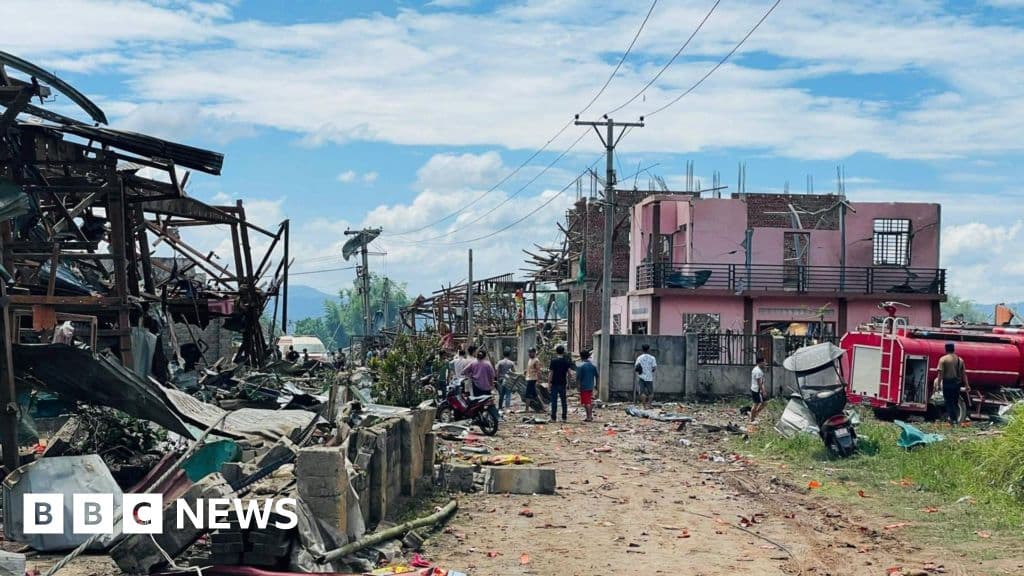
A devastating explosion in Myanmar's Kaung Tat village has killed at least 55 people, raising serious safety concerns and questions about civilian protection in conflict zones.
BBC World