

Image: TechCrunch
AI startups have captured 41% of venture capital funding in 2022, marking a transformative moment for the industry. What does this mean for the future?
GlipzoIn an unprecedented shift, AI startups captured a staggering 41% of the $128 billion in venture capital raised in 2022, according to new data from Carta. This record-high share marks a notable trend where investors are increasingly eager to deploy their capital into the rapidly evolving AI space. Furthermore, a startling 10% of these startups accounted for half of the total funding, signaling a concentrated interest among venture capitalists eager to capitalize on the AI boom.
Leading the charge are notable companies such as Anthropic, OpenAI, and xAI, all of which secured billions in funding last year at valuations that many consider astronomical. For instance, xAI recently completed a $20 billion Series E funding round in January, while OpenAI made headlines with a $110 billion funding round in February—one of the largest private rounds ever. With these investments, OpenAI is now inching closer to a $1 trillion valuation, showcasing the immense potential that investors see in AI technologies.
The current venture capital environment can be described as a K-shaped market, where funding is increasingly concentrated among a select few firms that back only a handful of companies. As Peter Walker, head of insights at Carta, explained to TechCrunch, while it has become somewhat more challenging to raise funding, the capital amounts for each round have significantly increased. This means fewer bets are being placed, yet the stakes are higher than ever.
AI startups are raising substantial amounts not merely due to their size but primarily because the costs associated with operating AI models are notably high. As competition heats up for top-tier talent and resources, the dynamics of funding are evolving rapidly, leading to larger rounds of investment.
The 2023 and 2024 funding rounds have also demonstrated impressive performance metrics, particularly in terms of internal rate of return (IRR). According to recent Carta data, these newer funds have shown higher IRR compared to those raised between 2017 and 2020, which is a positive sign for investors betting on AI innovations.
Walker emphasized the importance of viewing these figures with caution, noting that young funds might appear to be performing well due to their investments in seed rounds. When these companies subsequently raise Series A rounds at higher valuations, it can make the initial investors look as though they are enjoying considerable returns in a short timeframe, thereby artificially inflating their IRR.
While the current enthusiasm surrounding AI startups is palpable, the future remains uncertain. Investors are left to ponder whether this excitement will culminate in genuine returns through lucrative IPOs or major acquisitions, or if we are merely experiencing a bubble primed to burst. The looming question is whether the momentum seen in recent funding rounds can be sustained.
As the market stands, it is evident that the venture capital landscape has tilted significantly in favor of AI, but only time will reveal whether this trend is a sustainable evolution or a fleeting moment of hype.
With AI startups currently dominating the venture capital scene, the implications for the broader tech industry are profound. The concentration of funding and the emergence of high-profile players could reshape market dynamics. Investors and industry observers alike will be keenly watching how this situation unfolds, particularly as companies like OpenAI and Anthropic hint at potential IPOs later this year. As the stakes increase, the question remains: will AI's current momentum lead to enduring success, or are we witnessing the early stages of a market correction? The next few years will be critical in determining the long-term viability of AI as a cornerstone of the venture capital ecosystem.
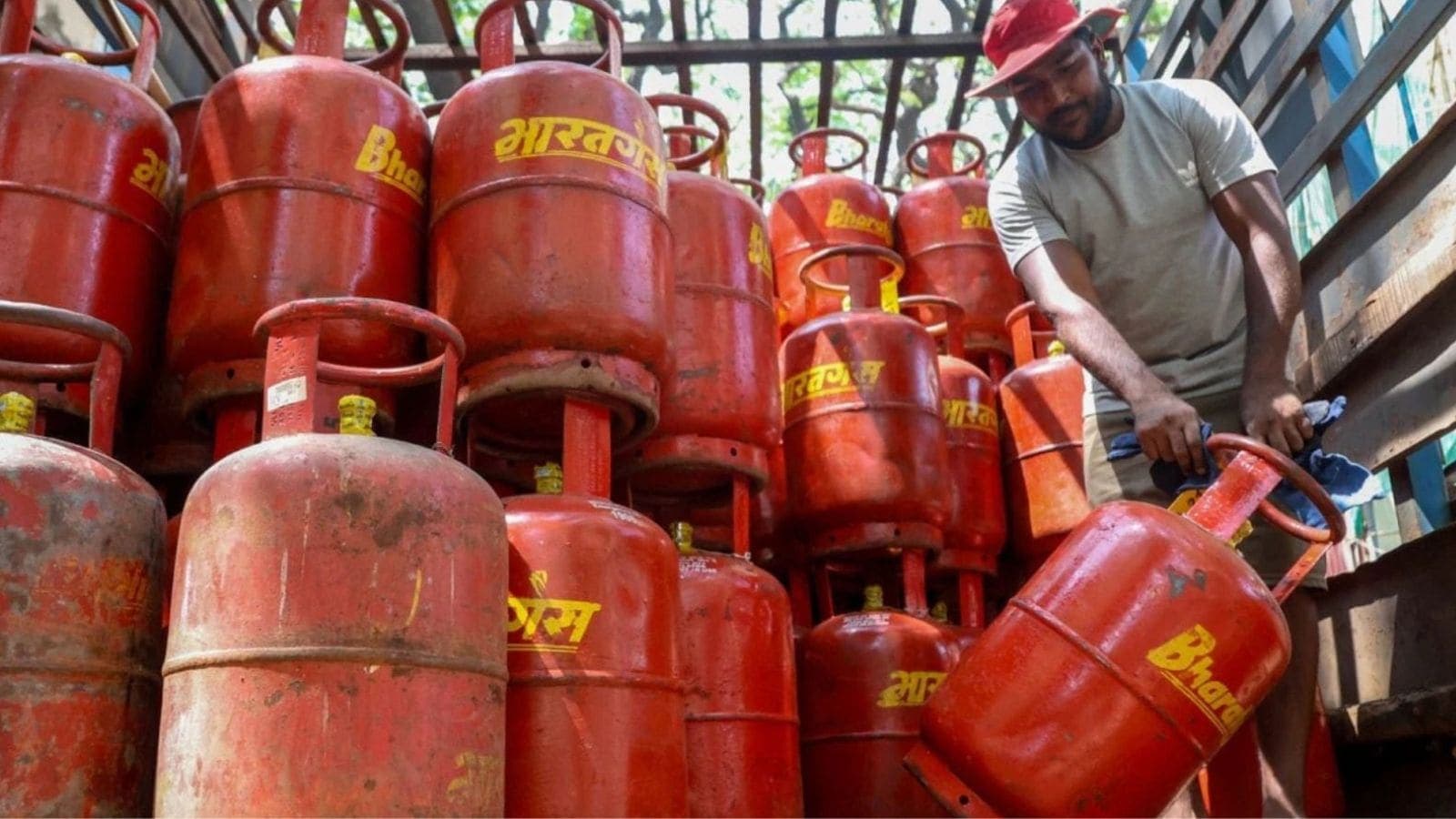
Commercial LPG prices have risen again, with increases of ₹42 in Delhi and ₹53.50 in Kolkata impacting businesses and consumers alike. Find out more.
Indian Express
Discover how a tragic coal mine explosion in Shanxi, China, reveals ongoing safety concerns in the industry amidst a push for green energy.
BBC Business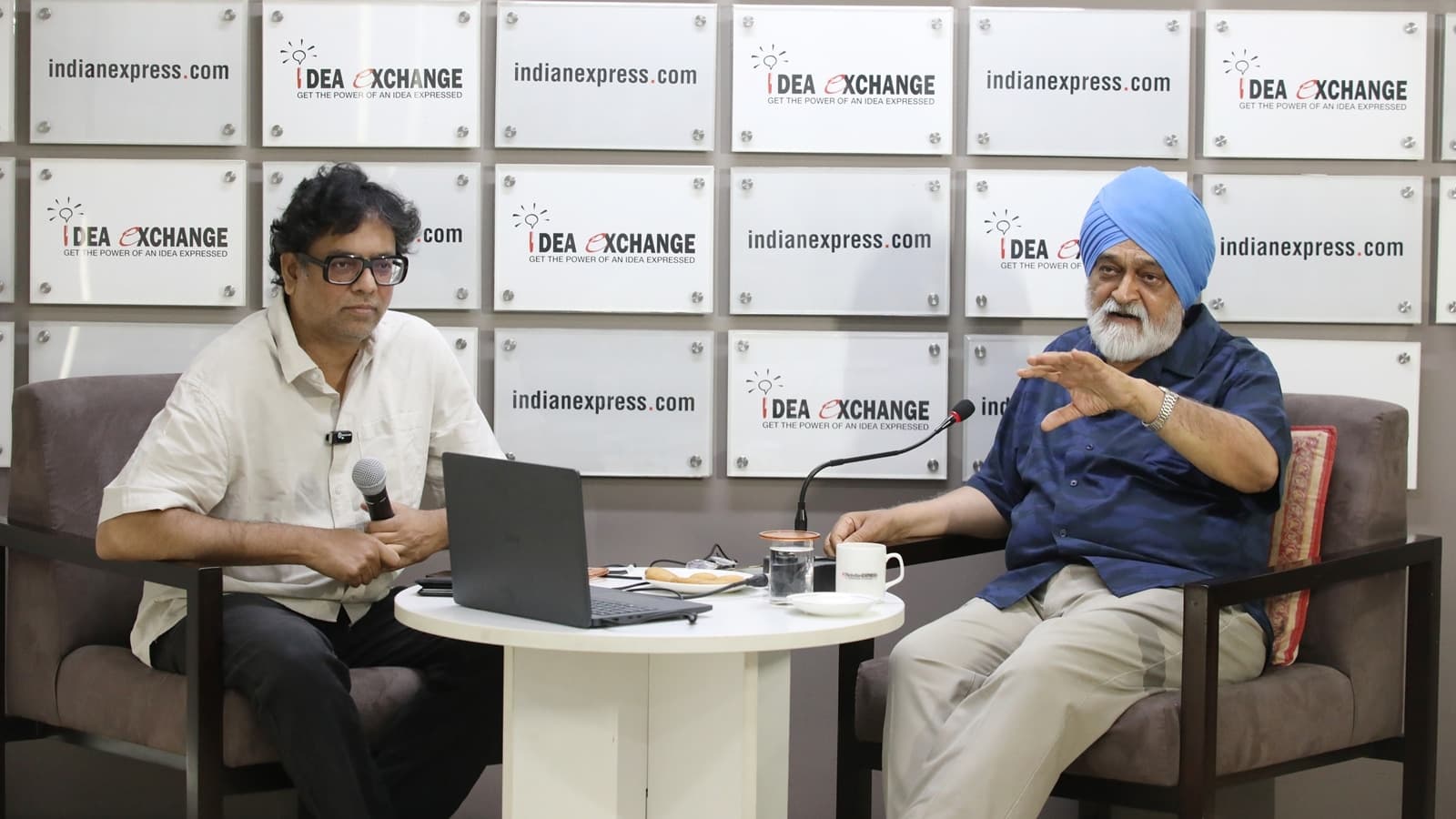
Montek Singh Ahluwalia highlights key economic challenges for India, emphasizing the need for a strategic approach to balance payments and investment.
Indian Express