
Image: BBC Technology
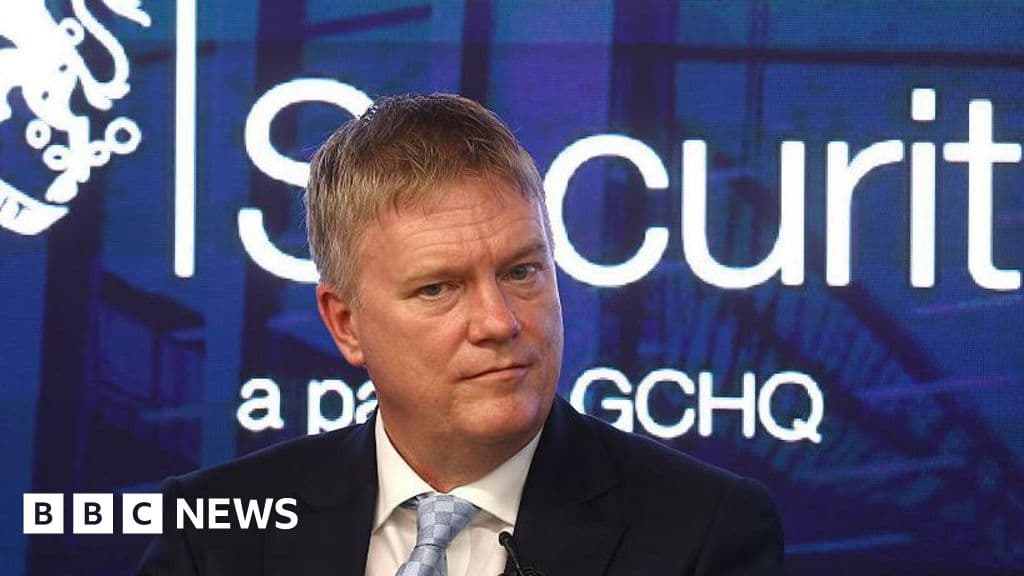
UK cybersecurity chief Richard Horne emphasizes the potential of AI tools like Mythos to enhance defenses, urging collaboration with tech firms for safety.
GlipzoAs artificial intelligence continues to evolve, AI tools like Claude Mythos are raising eyebrows within the cybersecurity community. According to Richard Horne, the head of the UK's National Cyber Security Centre (NCSC), these innovative tools possess the potential to significantly enhance cybersecurity defenses if they are managed responsibly. The recent unveiling of Mythos, developed by Anthropic, has sparked concerns due to its advanced hacking capabilities that could prove beneficial or harmful depending on its deployment.
The urgency to address these concerns stems from the imminent release of Mythos, which could empower malicious actors if it falls into the wrong hands. Horne emphasizes that the focus should be on securing these tools rather than fearing them. The potential for AI to revolutionize cybersecurity is vast, but it comes with caveats that must not be overlooked.
In light of the looming threats posed by AI, Dan Jarvis, the UK's security minister, is advocating for AI companies to partner with the government to bolster national cyber-defense mechanisms. This collaboration is essential as the government aims to mitigate risks associated with sophisticated AI-driven attacks. During the CyberUK conference, Horne will outline a vision where AI tools serve as allies in the fight against cybercrime, rather than enemies.
Horne's perspective is clear: organizations should prioritize foundational cybersecurity practices to safeguard their systems. He urges companies to ensure software updates are implemented and legacy systems are modernized. His message resonates with previous warnings about the necessity of basic cybersecurity hygiene, especially in an era where AI can exploit vulnerabilities with unprecedented speed.
The introduction of powerful AI models, like Mythos, raises critical questions about security and ethical use. Here are the key points to consider:
The NCSC has classified the cyber domain as the new frontline in national defense. Cyberattacks from state-sponsored entities, particularly from countries like Russia and China, underline the importance of robust cybersecurity measures. Recent incidents, including attacks attributed to Iran, showcase the evolving landscape where cyber operations play a pivotal role in global conflicts.
As Richard Horne prepares to address these pressing issues during the CyberUK conference, he will articulate the idea that advanced AI tools can indeed be a "net positive" for public cybersecurity. His upcoming speech will highlight the necessity for organizations to adapt and secure their digital infrastructures against both current and emergent threats.
Looking ahead, the integration of AI into cybersecurity strategies is likely to accelerate. Here are some trends to watch:
In summary, while the rise of AI tools like Mythos presents significant risks, the potential benefits are equally compelling. The challenge lies in striking a balance between harnessing this technology for good while safeguarding against its misuse. As the cybersecurity landscape continues to evolve, stakeholders must remain vigilant and proactive in adopting practices that protect against the rapidly changing threat environment. This dual approach could pave the way for a more secure digital future.
Stay tuned as we monitor developments in the AI landscape and the ongoing dialogue surrounding cybersecurity best practices. The road ahead is filled with both challenges and opportunities that will require collaboration and innovation to navigate successfully.

Nvidia's new RTX Spark chip aims to transform personal computing with AI, marking a significant shift in technology. Discover what this means for consumers.
BBC Business
The explosion of Blue Origin's New Glenn rocket raises significant concerns over NASA's lunar ambitions and the future of Amazon's satellite projects. Discover the implications.
BBC Science
Discover how Meta's lack of engagement on user bans raises critical concerns about accountability and transparency in social media governance.
BBC Technology