

Image: The Verge
Discover how AI companies are now recruiting improv actors to train models on human emotions, raising questions about creativity and job security.
GlipzoThe future of artificial intelligence is evolving, and it’s now turning to the vibrant world of improvisational acting to better understand human emotions. A recent job listing from Handshake, a leading provider of training data for AI models, is seeking talented performers who can express and navigate various emotions authentically. This unique opportunity is not for the stage or screen, but rather to help train AI systems to recognize human feelings and respond appropriately.
The role calls for individuals with a strong foundation in acting, improv, or theater. Handshake aims to tap into the skills of actors who can portray emotions in a genuine manner. According to the job description, candidates will engage in collaborative improv projects with other performers, creating unscripted scenes based on light prompts. This initiative seeks to push the boundaries of existing AI capabilities, particularly in understanding tone and emotional expression.
The demand for training data has surged significantly, with Handshake reporting a 300% increase in need last summer. This surge in demand has positioned the company to surpass a $150 million run rate, emphasizing the critical role of specialized data in the development of AI models. Handshake, along with competitors like Mercor and Scale AI, is actively recruiting professionals from various fields, including actors, to fill these gaps in training data.
AI models, often described as “jagged,” excel in some complex tasks but struggle with seemingly simple ones. This inconsistency has prompted AI companies to seek specialized training data to enhance their models' knowledge and capabilities. By leveraging the skills of improv actors, AI developers aim to create systems that can better understand and replicate human emotions.
The push for emotional awareness in AI is crucial. As interactions with AI become more common, ensuring that these systems can respond in a human-like manner is essential for user satisfaction and acceptance. The ability to convey emotions accurately can transform the way users interact with technology, making it more intuitive and relatable.
While the opportunity to work with AI may seem appealing, many professionals in creative fields are expressing concerns about the long-term implications of training models that could potentially replace their jobs. The fear is that as AI systems become more adept at understanding and mimicking human emotions, the demand for human creatives could diminish, leading to job displacement in the arts and entertainment sectors.
The listing specifically mentions the need for performers who can help “test the limits of the world’s top LLMs’ understanding.” This raises questions about the ethical implications of using human talent to further develop AI capabilities that may ultimately threaten those very careers. As AI continues to advance, the balance between leveraging human skills and protecting job security will be a critical conversation in the industry.
The trend towards multimodal AI—which encompasses not just text generation but also voice interactions and visual content—highlights the changing landscape of technology. Companies like OpenAI have already made strides in developing voice capabilities for their models, allowing for more engaging and realistic interactions. The integration of voice and emotional intelligence in AI aligns with consumer expectations for more human-like interactions when using technology.
As the job listing suggests, participants in the Handshake project will engage in improvisational scenes that promote creative freedom and emotional exploration. This approach seeks to ensure that AI can not only generate content but also respond to users in a way that feels grounded and relatable.
The intersection of AI and creative industries presents both opportunities and challenges. As AI companies continue to seek out unique skills from actors and other performers, the dynamics of job markets in the creative sector may shift dramatically. Here are some key factors to watch in the coming months:
As AI models become more sophisticated, the role of human creativity in shaping these technologies will remain essential. The future may hold a collaborative partnership between AI systems and human professionals, but navigating this landscape will require careful consideration of the implications for jobs and creative expression.
In conclusion, the call for improv actors to participate in AI training projects signifies a pivotal moment in the relationship between technology and the arts. With the right balance, this collaboration could lead to an enriched understanding of human emotion in AI, paving the way for more authentic and engaging user experiences.
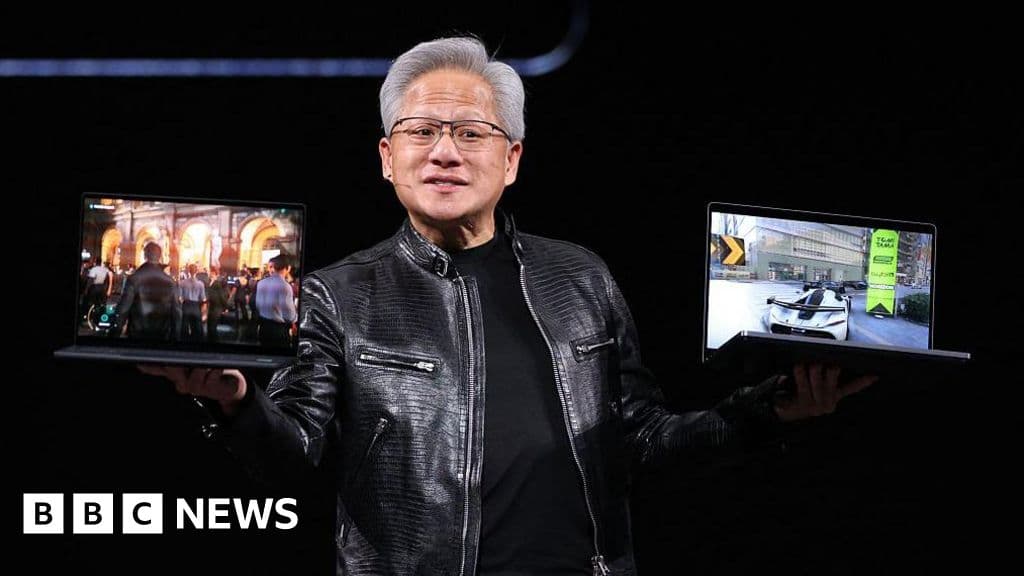
Nvidia's new RTX Spark chip aims to transform personal computing with AI, marking a significant shift in technology. Discover what this means for consumers.
BBC Business
The explosion of Blue Origin's New Glenn rocket raises significant concerns over NASA's lunar ambitions and the future of Amazon's satellite projects. Discover the implications.
BBC Science
Discover how Meta's lack of engagement on user bans raises critical concerns about accountability and transparency in social media governance.
BBC Technology