
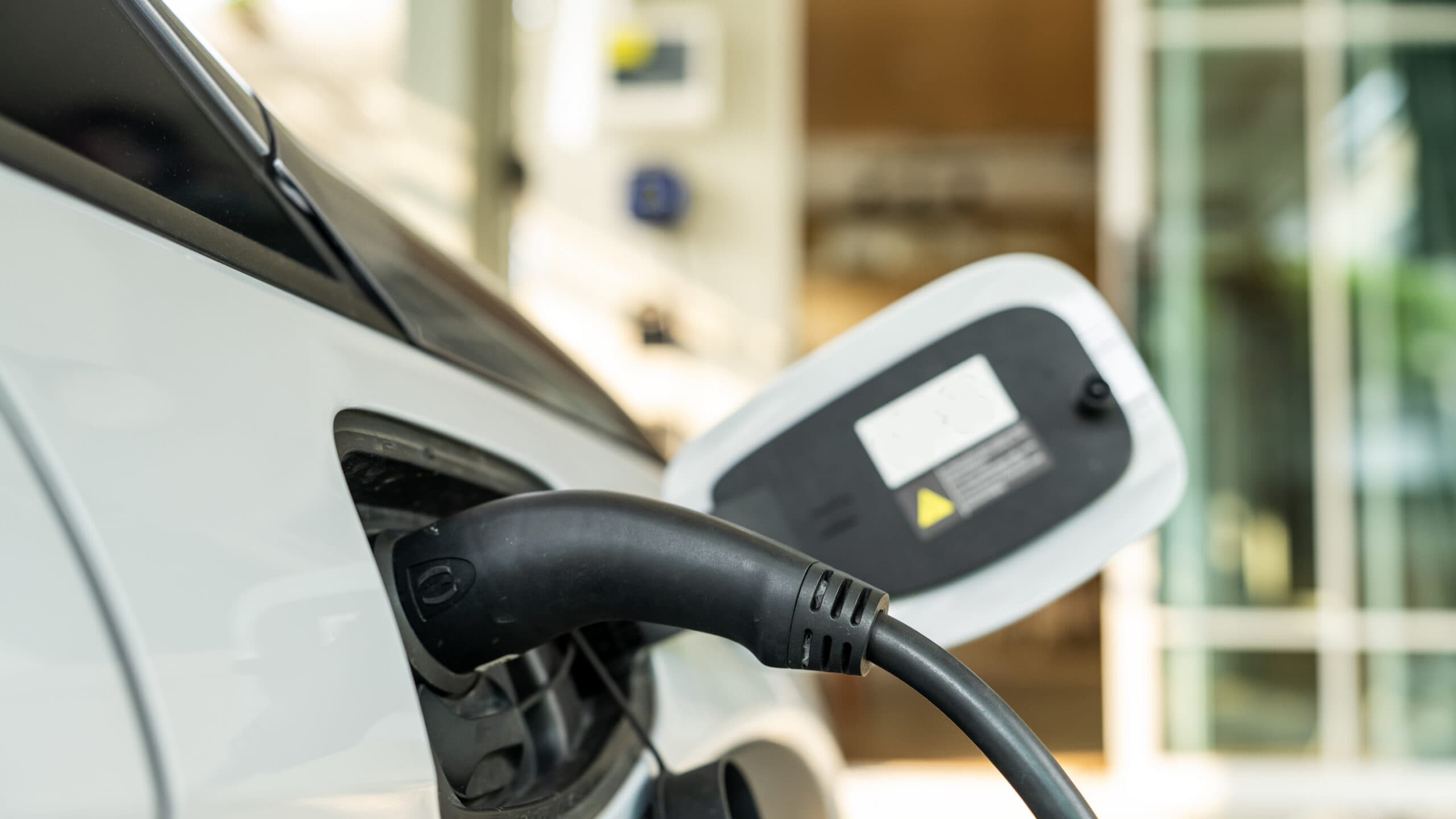
Image: Ars Technica
Explore how the shift to 800V architecture is transforming electric vehicles, enhancing performance, charging speed, and efficiency in EV technology.
GlipzoFor over ten years, the standard for electric vehicles (EVs) has hovered around a 400-volt system. This foundational architecture has supported a range of models, from early compliance vehicles to today’s most popular electric cars. However, a significant transformation is underway as various automakers are adopting 800-volt architectures. This shift promises not only faster charging but also enhanced performance and improved efficiency, changing the landscape of electric mobility.
Models like the Porsche Taycan and Hyundai Ioniq 5 have been at the forefront of this movement, showcasing the capability to recharge in as little as 18 minutes while maintaining high-speed performance. On the surface, increasing voltage seems like a straightforward upgrade, but in reality, it influences numerous engineering aspects, including cable thickness, thermal management, semiconductor selection, and charging station compatibility.
The reasoning behind higher voltage systems is rooted in basic electrical principles. The formula P = V x I (power equals voltage times current) implies that by doubling the voltage, the same power can be transmitted with only half the current. This fundamental relationship leads to several advantages:
One of the less recognized benefits of adopting an 800V architecture is its effect on vehicle weight and design. With the ability to deliver power at a higher voltage, engineers can utilize smaller gauge copper wires, lighter busbars, and less bulky cooling equipment. This is particularly relevant because EV wiring harnesses are already quite hefty, typically weighing between 132–154 lbs (60–70 kg).
The transition to an 800V system allows manufacturers to reduce the amount of copper used in wiring harnesses, resulting in both improved efficiency and cost savings. Furthermore, this shift positively influences the infrastructure necessary for charging. Higher voltage means that charging station cables can be lighter, making them easier to handle and manage. This improvement also enhances the user experience, as the charging cable becomes less cumbersome, turning the act of plugging in from a workout into a simple task.
However, it’s crucial to recognize that simply owning an 800V-compatible vehicle does not automatically equate to quicker charging times. Many manufacturers may advertise their EVs as capable of charging at rates up to 350 kW, but this figure can be misleading. The actual charging speed depends on various factors, including:
If an 800V vehicle is connected to a charger that operates at a lower voltage, it may need to employ a DC-DC converter or split its battery into two 400V halves to charge correctly.
The early DC chargers were primarily designed for battery packs operating between 350-500V, as most EVs adhered to the 400V standard. However, the landscape has evolved. Charging networks like IONITY and Electrify America in the United States now support outputs of up to 350 kW, with their hardware accommodating voltage outputs ranging from 920 to 1,000 V. This flexibility is crucial for enabling 800V vehicles to draw substantial power without necessitating extreme current levels.
To put this into perspective, delivering 350 kW to a 400V vehicle would typically require around 900 A, a level most charging cables and connectors struggle to support. In contrast, at 800V, the same power only requires approximately half the current.
Despite the advantages, compatibility remains a significant issue. If an 800V vehicle is plugged into a 400-500V charger, it must either elevate the voltage internally or adjust its battery configuration to facilitate proper charging. This compatibility challenge emphasizes the importance of a well-integrated charging infrastructure that can accommodate the diverse voltage ranges of modern EVs.
While the benefits of 800V systems are compelling, they are not without drawbacks. The costs associated with developing and manufacturing these advanced systems can be significant, creating a ripple effect that impacts the pricing of electric vehicles. As manufacturers invest in new technologies and infrastructure, consumers may see these costs reflected in the retail prices of EVs.
As the market continues to evolve, the transition to 800V architectures represents a critical step in the advancement of electric vehicles. The potential for faster charging, improved performance, and reduced weight aligns perfectly with the growing consumer demand for more efficient and practical EV solutions.
In the coming years, we can expect to see more manufacturers embracing this technology, driving innovation in both vehicle design and charging infrastructure. Key areas to watch include:
The race is on to make electric vehicles not only more powerful and efficient but also more user-friendly. The shift to 800V systems is just the beginning of a new era in electric mobility, and it brings with it the promise of a more sustainable future for transportation.

Nvidia's new RTX Spark chip aims to transform personal computing with AI, marking a significant shift in technology. Discover what this means for consumers.
BBC Business
The explosion of Blue Origin's New Glenn rocket raises significant concerns over NASA's lunar ambitions and the future of Amazon's satellite projects. Discover the implications.
BBC Science
Discover how Meta's lack of engagement on user bans raises critical concerns about accountability and transparency in social media governance.
BBC Technology