
Image: BBC Science
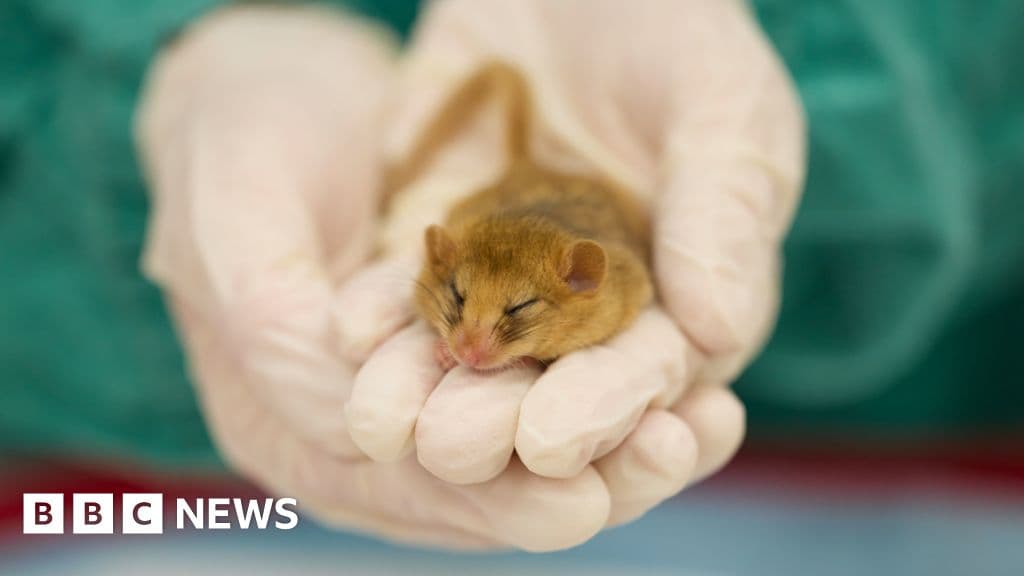
Discover how a £20M donation is transforming London Zoo with a new hospital allowing public viewing of veterinary procedures. Will it change perceptions of zoos?
GlipzoIn an exciting development for animal enthusiasts, the Zoological Society of London (ZSL) has announced a remarkable £20 million donation that will revolutionize veterinary care at London Zoo. This generous contribution, from an anonymous benefactor, will fund a cutting-edge wildlife hospital where visitors can witness live veterinary procedures for the first time in the UK.
The new facility, set to open soon, will feature a viewing gallery that allows the public to observe a range of procedures, including health checks on penguins, ultrasounds on pregnant aardvarks, and even post-mortems on porpoises. This level of public engagement in veterinary medicine is unprecedented in the country and aims to foster a deeper understanding of animal health and welfare among zoo visitors.
Coinciding with its 200th anniversary, ZSL is leveraging this milestone to highlight its commitment to conservation and veterinary innovation. The Wildlife Health Centre will serve as a hub for advanced veterinary practices, scientific research, and professional training, emphasizing the interconnectedness of animal health and human health. This initiative is part of ZSL’s broader mission to address emerging diseases that may transfer from animals to humans, a critical concern in today's world.
ZSL’s history of veterinary care is rich, dating back to the appointment of the first zoo veterinarian in 1829, just one year after the zoo's establishment. The new hospital reinforces this legacy, building on the foundation laid by Europe’s first purpose-built zoo veterinary hospital, which opened in the 1950s. Through this new venture, ZSL aims to enhance public awareness of veterinary science and its role in conservation efforts.
Kathryn England, the Chief Executive of ZSL, expressed enthusiasm about the project, stating, "Our history has shaped how wildlife is studied, treated, and protected. Now, that legacy becomes a platform for action." The intention behind the Wildlife Health Centre is not only to provide exceptional care for zoo animals but also to demystify the veterinary process for the public, creating a unique educational experience.
However, the role of zoos in modern society remains a topic of debate. Critics argue that holding animals in captivity raises ethical concerns, challenging the justification of zoos' existence despite their conservation claims.
Organizations like the Born Free Foundation have voiced skepticism regarding the new facility, arguing that it does not address the fundamental ethical dilemmas associated with keeping wildlife in confined spaces. Mark Jones, head of policy at the charity, stated, "On its 200th anniversary, I think the Zoological Society of London should be focusing all its efforts on protecting wildlife in the wild where it belongs, not keeping wildlife in captivity thousands of miles from where it belongs."
Additionally, there are apprehensions that public access to veterinary procedures may reduce the seriousness of animal care, turning it into a form of entertainment rather than a professional service. ZSL has assured critics that most of the procedures offered for public viewing will be routine, focusing on health checks that prioritize the welfare of the animals.
ZSL emphasizes its commitment to using cooperative care techniques, wherein animals are trained to participate in their own healthcare. This method reduces stress and enhances the animals' comfort during examinations.
Examples include: - Galapagos tortoises stepping onto scales for weight checks. - Lions and tigers presenting their tails for blood tests and skin samples.
The hospital will also allow the public to observe certain operations and post-mortems, providing a look into the veterinary care of marine mammals, such as dolphins or porpoises that wash ashore.
ZSL is steadfast in its belief that its work, both in the zoo and in wildlife conservation, is essential for the future of global health and education. The organization is home to some of the rarest species worldwide, including the Garrett's tree snail, which has seen successful conservation efforts that have resulted in its downlisting from extinct in the wild to critically endangered.
Dave Clarke, a snail keeper at the zoo, highlighted the importance of these efforts, stating, "We've got about 120 which is 90% of the world population." This success story underscores the potential for zoos to contribute positively to conservation efforts while also enhancing public education.
As London Zoo prepares to unveil its new Wildlife Health Centre, the focus will likely remain on how the facility impacts public perception of zoos and their role in wildlife conservation. Future developments may include expanded educational programs and outreach initiatives designed to foster a deeper understanding of animal welfare and conservation challenges.
The upcoming hospital represents a significant step forward in the integration of public engagement with veterinary science, but it will also need to navigate the ongoing ethical discussions surrounding zoos and animal captivity. As ZSL moves forward, its ability to balance these interests will be vital in shaping the future of wildlife conservation and education.
Ultimately, how the public reacts to this new facility and its offerings will play a crucial role in determining the ongoing relevance of zoos in the 21st century.
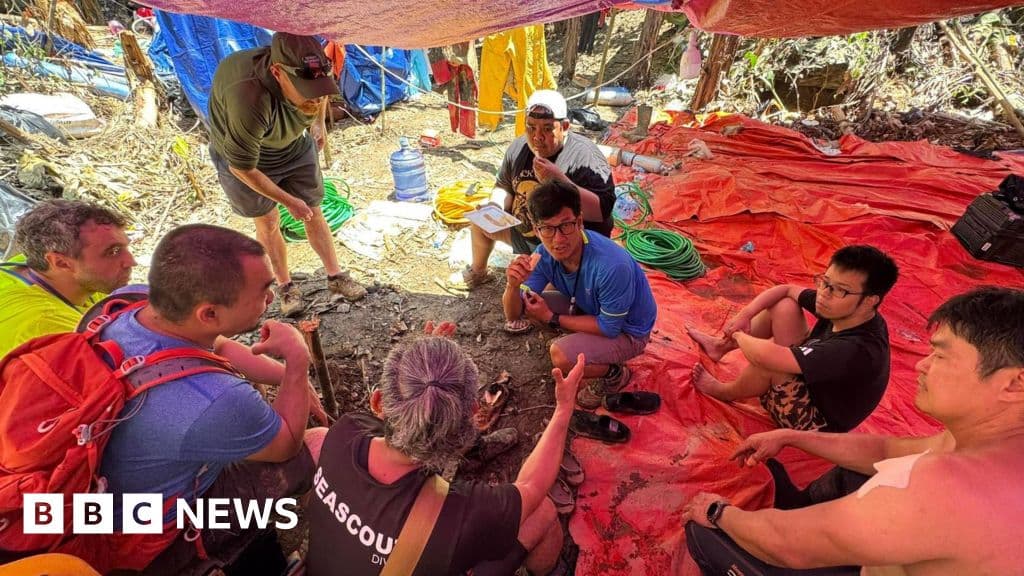
Survivors of the Laos cave rescue are aiding efforts to find the last two missing men trapped inside, sharing crucial insights for the search operation.
BBC World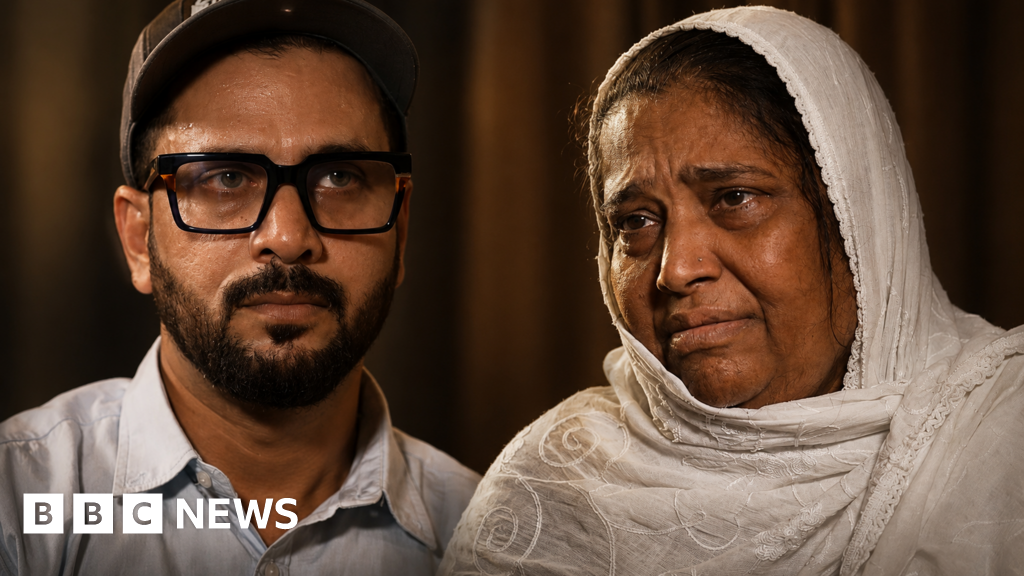
A year after the tragic Air India crash, the Ali family reflects on grief, unanswered questions, and the enduring bonds of love in the face of loss.
BBC Business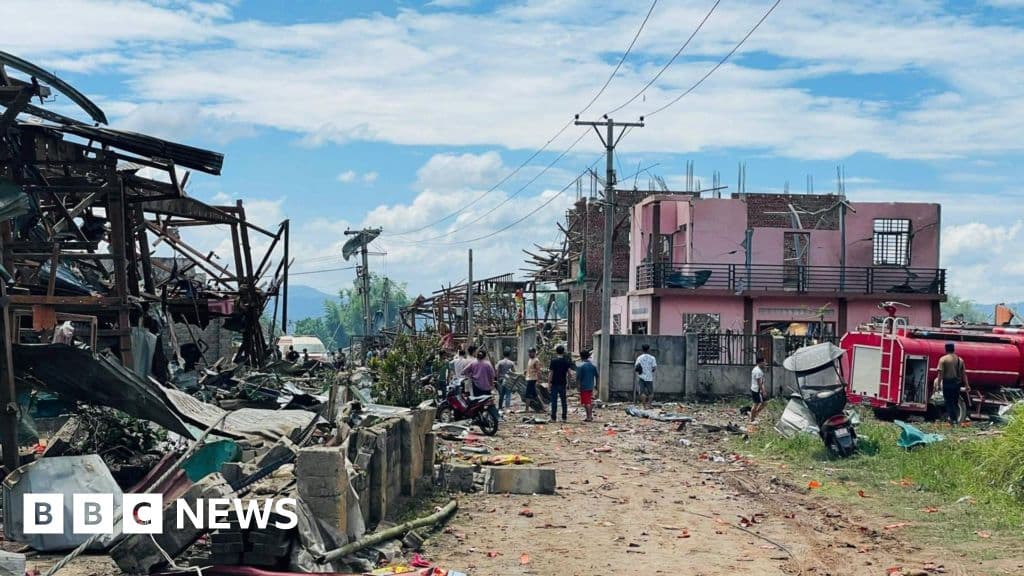
A devastating explosion in Myanmar's Kaung Tat village has killed at least 55 people, raising serious safety concerns and questions about civilian protection in conflict zones.
BBC World