
Image: BBC Business
Wizz Air's Yvonne Moynihan advises UK travelers to arrive 3 hours early at European airports due to lengthy wait times from new border checks. Find out more.
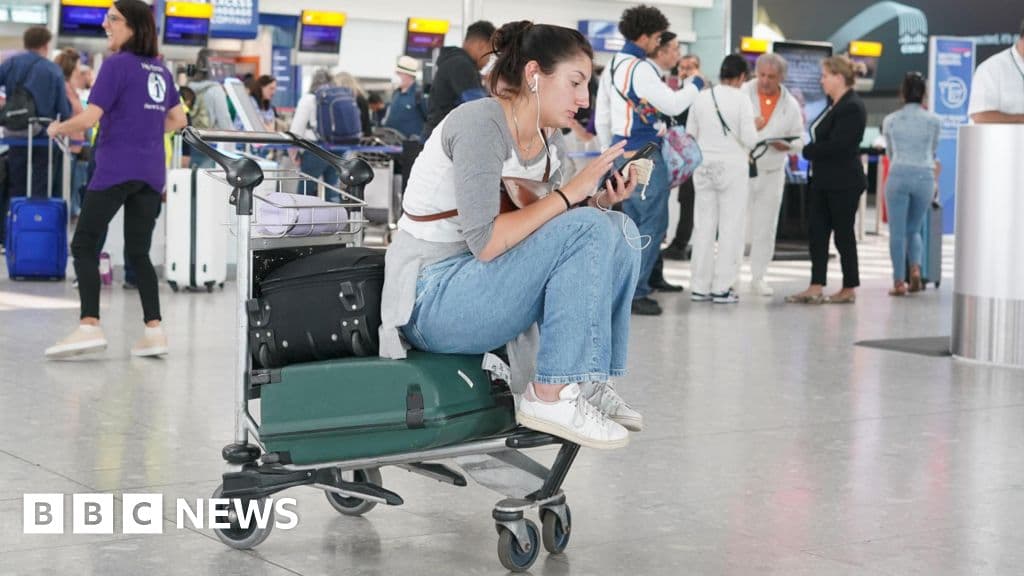
GlipzoIn a significant advisory for travelers, Wizz Air's UK boss Yvonne Moynihan has urged British holidaymakers to arrive at European airports three hours before their flight home. This recommendation comes amid reports of extensive queues caused by the recently implemented Entry Exit System (EES), which has led to delays at various airports across Europe.
During an interview with the BBC, Moynihan highlighted that the lengthy waits at passport control have resulted in passengers missing their return or connecting flights. These delays have been particularly pronounced in popular travel destinations like Spain, Portugal, and France.
The EES is a new border control protocol requiring travelers from non-EU countries to register their biometric information, including fingerprints, upon entry into many European nations. This data is then checked again when individuals leave. Since the system's implementation in October, approximately 80 million entries and exits have been recorded, alongside 35,000 refusals of entry.
Initially set to be fully operational by April 10, the EES has faced criticism and logistical challenges. Airports have reported that queues are worsening, prompting calls for travelers to adjust their arrival times at airports.
In a bid to mitigate summer travel disruptions, Greece has temporarily suspended biometric checks for British citizens. Moynihan noted that this suspension aims to ease the burden on travelers during peak travel times.
While she acknowledged that there have been instances of seamless travel in some areas, the overall sentiment reflects ongoing frustrations with the new system, particularly in traditional tourist hotspots.
Moynihan's advice for travelers is clear: arrive at the airport three hours ahead of your scheduled flight. This is a departure from the conventional two-hour recommendation and is meant to account for potential delays at both arrival and departure points. Here are some additional tips she provided:
The need for extra time stems from the requirement of another passport check before departing back to the UK. Moynihan emphasized that these checks can contribute to longer-than-anticipated waits, with some travelers experiencing significant delays.
The European Commission has defended the EES, stating that it functions effectively at “almost all border crossing points.” However, they acknowledged that other factors, beyond the EES, may contribute to delays. According to a recent survey conducted by ACI Europe, queues linked to the EES have reached as long as three and a half hours at various airports.
As the summer peak approaches, ACI Europe has expressed concerns that passenger volumes will exacerbate existing problems, potentially leading to an unmanageable situation. They have called for improvements in technical systems and increased staffing levels at borders to handle the anticipated influx of travelers.
In response to these issues, Portugal has announced the deployment of 360 additional border officers in July to address the long wait times reported at its airports. This move underscores the growing recognition of the need for more proactive measures to ensure smooth travel during the busy summer months.
Travelers can expect ongoing adjustments as European nations work to optimize the EES and manage passenger flow effectively. While some improvements have been noted since the system's rollout, the surge in travel during the summer will undoubtedly present new challenges.
As holidaymakers plan their trips, they should stay informed about potential border delays and adhere to the three-hour arrival recommendation to ensure a smoother travel experience. Wizz Air's Yvonne Moynihan continues to advocate for operational flexibility, urging more countries to consider suspending biometric checks during peak times to prevent further disruptions.
In summary, as travel resumes to pre-pandemic levels, the efficiency of border controls will be crucial in shaping the experience of thousands of holidaymakers across Europe. Keeping an eye on how these systems evolve will be essential for anyone planning to travel this summer.
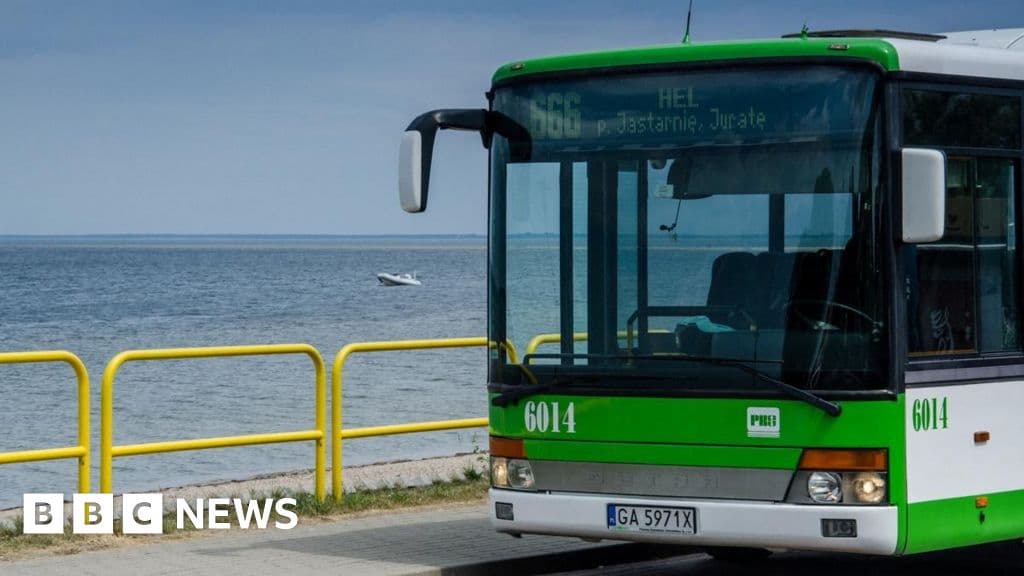
FlixBus revives the controversial 666 bus route to Hel, igniting debates on marketing and religious beliefs. What does this mean for tourism? Find out!
BBC World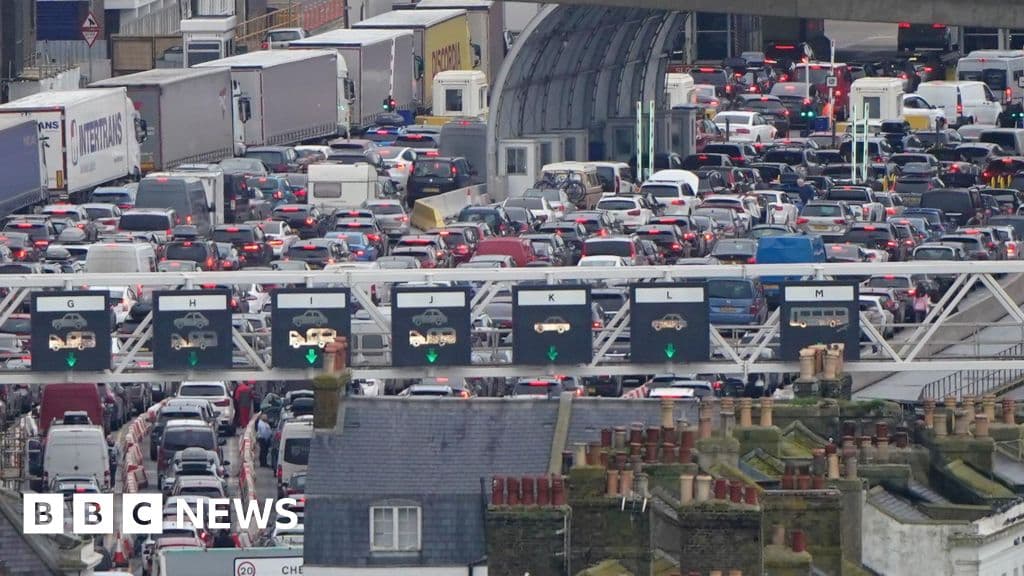
Prepare for potential delays at Dover this half term due to EU border rule changes. Key insights and tips for travelers inside.
BBC Business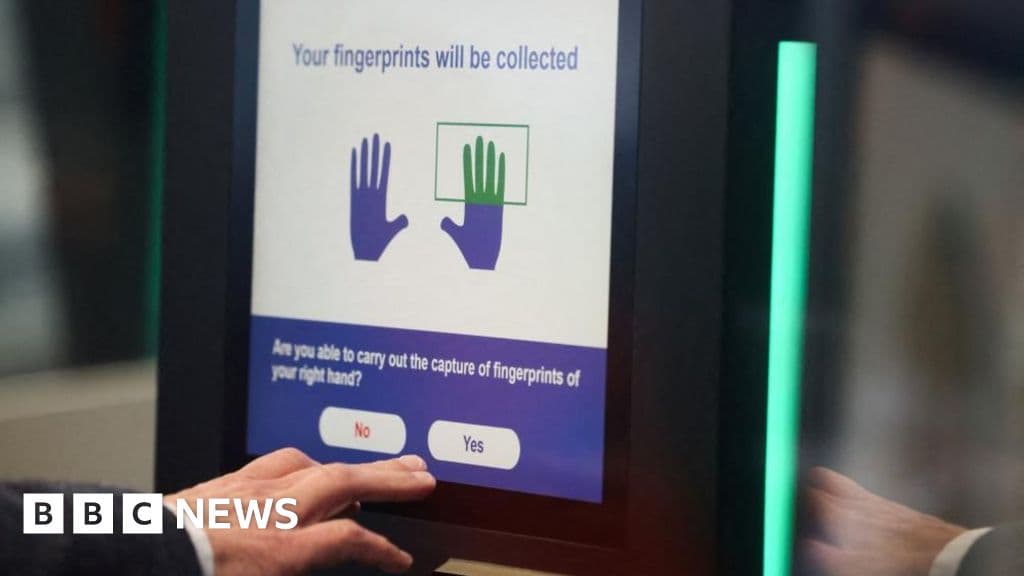
British tourists can expect seamless entry to Greece this summer, as officials assure no delays at the border. Discover what this means for travelers.
BBC Business