
Image: Indian Express Entertainment
Explore why Owen Hunt became Grey’s Anatomy’s most hated character and what his journey reveals about love, acceptance, and emotional manipulation.
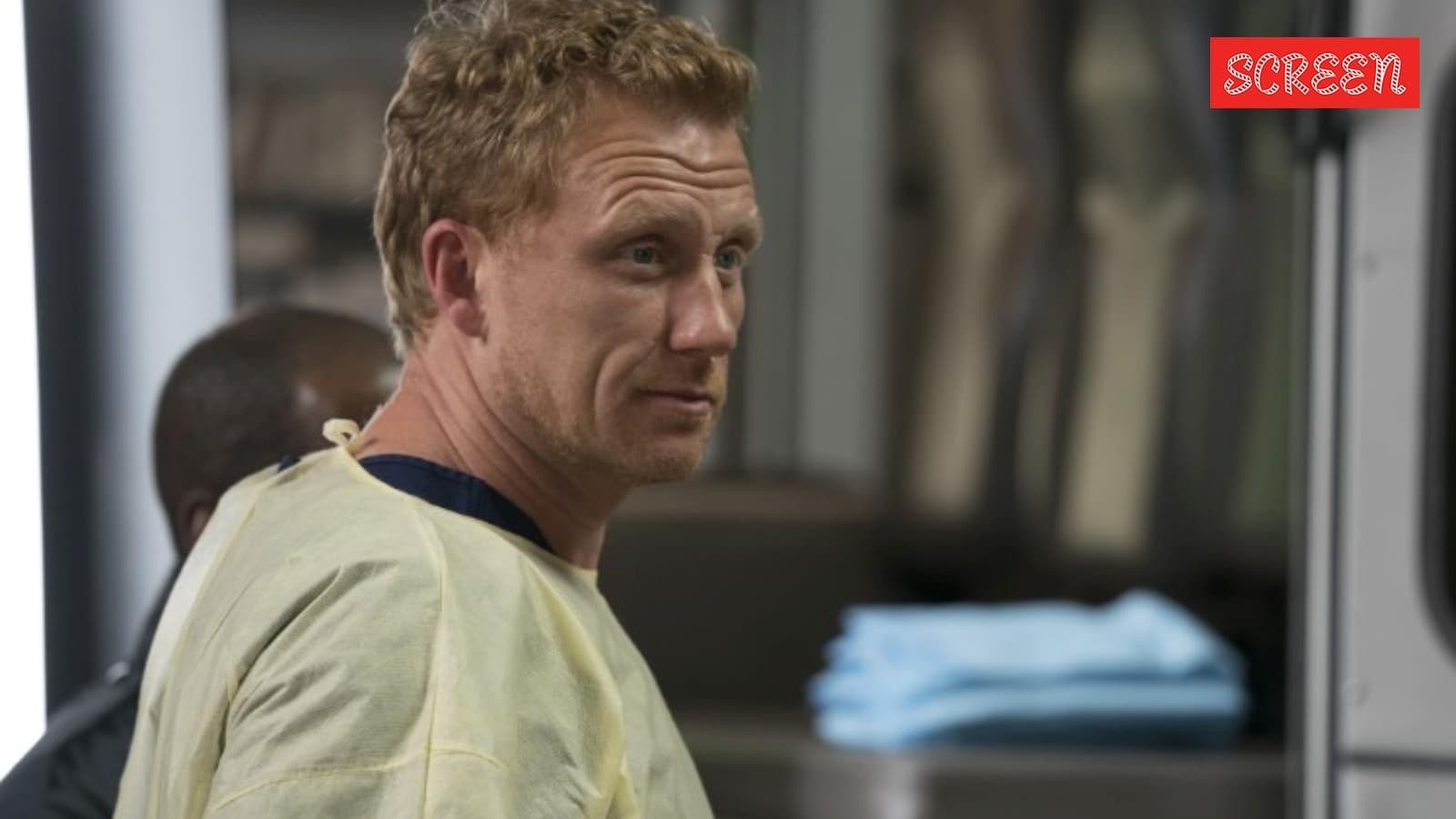
GlipzoWhen Owen Hunt first stepped into Seattle Grace in Season 5 of Grey’s Anatomy, he carried with him a narrative full of depth. A soldier turned trauma surgeon, Owen was a character shaped by the harsh realities of war, grappling with PTSD. Initially, this backstory added a compelling layer to his character, making him relatable and worth investing in. However, as the seasons unfolded, it became clear that what began as a promising arc quickly devolved into a narrative that alienated viewers.
In his journey through 17 seasons, Owen managed to evoke a rare response from the audience: they rooted against him. Unlike typical villains, he was portrayed as a man who genuinely believed in his own rationality, only to consistently prove otherwise. His relationships, particularly with strong characters like Cristina Yang and Amelia Shepherd, revealed a troubling pattern of emotional manipulation and a fundamental misunderstanding of love.
From the very start, Cristina Yang was clear about her desires. She expressed her unwillingness to have children multiple times—in various settings, from therapy sessions to intimate moments. Yet, Owen clung to the hope that she would change her mind. This behavior highlighted a significant flaw in his understanding of love; it wasn’t about accepting Cristina for who she was, but rather about imposing his expectations upon her.
When Cristina faced an unplanned pregnancy and decided to have an abortion, Owen's reaction was telling. He was supportive at the clinic, holding her hand, but when the moment of truth arrived at Zola’s birthday party, he lashed out, accusing her of killing their baby. This outburst was not just a moment of anger; it revealed his deep-seated inability to accept a crucial part of who Cristina was. It transformed what should have been a moment of mutual understanding into a painful confrontation.
Owen's tenure as Chief of Surgery was marred by a critical failure of judgment—his decision to charter a flight with a history of mechanical issues. This disastrous choice led to a catastrophic plane crash that claimed the lives of Lexie Grey and Mark Sloan, while Arizona Robbins suffered life-altering injuries.
Despite feeling guilt over the tragedy, Owen’s grieving process was notably self-centered. He managed to keep himself at the center of the narrative, overshadowing the real suffering of those around him who had lost limbs and loved ones. This pattern of self-absorption continued to manifest in his relationships, particularly with Amelia Shepherd.
By the time Owen entered a relationship with Amelia Shepherd, viewers were already wary of his patterns. When Amelia voiced her uncertainty about wanting children, Owen dismissed her feelings as a consequence of her brain tumor. This clinical approach to her emotional state not only undermined her autonomy but also reiterated his consistent tendency to prioritize his desires over those of his partners.
His response to Amelia’s breakup was equally troubling. He claimed that she was incapable of love, a statement he directed at someone who had fought hard for her recovery. This moment showcased a profound misunderstanding of both love and respect, further solidifying his status as a character who elicited animosity rather than empathy.
Owen's relationship with Teddy Altman further complicates his legacy. Their passionate connection appeared to offer him a chance at redemption, yet it quickly devolved into another cycle of emotional turmoil. Teddy, a character with her own complex history, often found herself caught in Owen's web of expectations and unresolved issues. This relationship, much like those before it, seemed to reflect Owen's inability to engage in a truly equal partnership.
Owen Hunt's character serves as a cautionary tale about the complexities of love, acceptance, and the consequences of emotional manipulation. His journey highlights critical themes relevant to many viewers: the importance of communication in relationships, the significance of accepting one another's truths, and the destructive nature of selfishness.
Why It Matters: While Grey’s Anatomy is a fictional series, the dynamics portrayed through Owen’s relationships resonate with real-life issues many face. His inability to listen and accept his partners’ needs serves as a reminder of the importance of empathy in our interactions.
As Grey’s Anatomy continues to evolve, the departure of Owen Hunt opens avenues for new narratives and character development. Will the show learn from the mistakes of Owen’s character, or will it cycle back into familiar patterns? Viewers will be eager to see how this change impacts the remaining characters and their journeys, especially in terms of emotional growth and acceptance in relationships.
The audience might also reflect on what it means to truly love someone—not just in terms of desires but in accepting them wholly. With Owen’s departure, the series has a chance to explore healthier relationship dynamics that prioritize mutual respect and understanding.
As the show moves forward, fans should keep an eye on the evolving dynamics among the remaining characters and whether they can break free from the patterns that made Owen Hunt one of the most polarizing figures in Grey's Anatomy history.

Zahan Kapoor reveals an unconventional role in his upcoming film, signaling a significant shift from his breakout success in Black Warrant. What’s next for this rising star?
Bollywood Hungama
Discover how Vishal Jethwa is transforming his physique for Shakti Shalini, emphasizing the mental discipline behind peak fitness.
Bollywood Hungama
Discover the dark truths of urban development in Kammatipaadam, a film that reveals the often-overlooked sacrifices behind city growth.
Indian Express