
Image: Bollywood Hungama
Discover why Marathi cinema struggles for attention on OTT platforms and how cultural dynamics impact its reach in the streaming era.
GlipzoDespite the remarkable storytelling and compelling cinematography that Marathi cinema has to offer, it remains largely ignored by major OTT platforms like Netflix and Amazon Prime Video. This raises an important question: Why isn’t Marathi cinema resonating with audiences beyond its regional roots? Experts in the film industry are shedding light on this issue, pointing to a variety of factors that contribute to this disparity.
In recent years, Marathi films have showcased a plethora of impactful narratives, characterized by strong content and technical excellence. Yet, unlike its counterpart, Malayalam cinema, which has gained popularity even among non-Malayalam speakers, Marathi films struggle to find a foothold in broader markets. An anonymous filmmaker lamented, “Look at the craze for Malayalam films, even among those who don’t know the language. Our films are no less and deserve that kind of acceptance.”
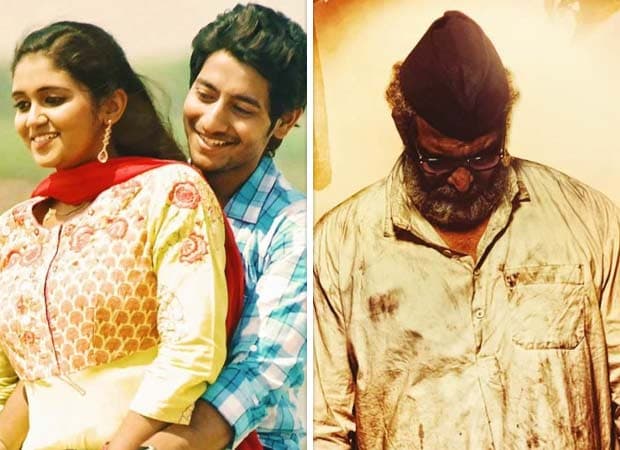
Shariq Patel, the former CEO of Zee Studios, emphasized the golden era of Marathi cinema from 2013 to 2019, which saw the emergence of successful films like Fandry, Sairat, and Natsamrat. This period marked a peak for Marathi films, but it was largely overshadowed by the onset of the OTT revolution. According to Patel, the success of Malayalam cinema was accelerated during the COVID-19 pandemic, as films featuring stars like Fahadh Faasil gained traction when audiences were confined to their homes.
He pointed out that Malayalam cinema benefited from the halo effect of blockbuster films from the South, such as Baahubali and KGF, which created a perception that South Indian films were performing exceptionally well. Unfortunately, Marathi films have not enjoyed similar visibility on mainstream OTT platforms, primarily being available on Zee5, which has not garnered the same popularity as its competitors.
Patel elaborated on the business dynamics influencing the acquisition strategies of OTT platforms. He noted that the South Indian diaspora is significantly larger than the Marathi diaspora, leading to a discrepancy in viewership and purchasing power. The platforms find better value in acquiring a portfolio of South films, which are often available at lower prices.
The acquisition strategy typically involves gathering a diverse collection of films from various South Indian languages. For instance: - Malayalam films often come in bundles with films from Tamil, Telugu, and Kannada cinema. - This approach enhances the subscription value for users, as they gain access to a wider selection of films for the same price. - In contrast, marketing a limited number of Marathi films does not appeal to the same audience, making it less attractive for acquisition heads.
Film critic Ganesh Matkari weighed in on the challenges faced by Marathi filmmakers during the pandemic. While many Hindi and South films received substantial support from OTT platforms for direct-to-digital releases, Marathi cinema lagged behind. Only one Marathi film, Picasso (2021), made its way directly to OTT, while others like June (2021) were relegated to pay-per-view formats.
This lack of access has left many filmmakers grappling with limited options for distribution. Matkari noted that OTT giants often consider the theatrical performance of films before acquiring them and tend to shy away from projects that have not performed well at the box office. This creates a vicious cycle that further marginalizes Marathi films.
The Marathi film industry is rich in cultural narratives and storytelling potential, yet its exclusion from mainstream OTT platforms raises concerns about representation and diversity in cinema. As streaming services increasingly dictate viewing habits, the lack of visibility for Marathi films could lead to diminished opportunities for filmmakers and actors alike.
Moving forward, it’s crucial for the Marathi film industry to explore new avenues for exposure and distribution, potentially collaborating with platforms to create a robust presence. Strategies could include: - Leveraging social media and digital marketing to reach a wider audience. - Collaborating with established South Indian filmmakers to create hybrid projects that can draw interest across language barriers. - Participating in international film festivals to gain recognition and build a global audience.
The challenges faced by Marathi cinema in gaining traction with major OTT platforms highlight a larger conversation about cultural representation in film. As the industry navigates these hurdles, it will be essential to foster new strategies that allow for the recognition and appreciation of Marathi storytelling on a global scale. The future may hold promise if filmmakers and platforms can unite to celebrate the rich tapestry of Marathi cinema.
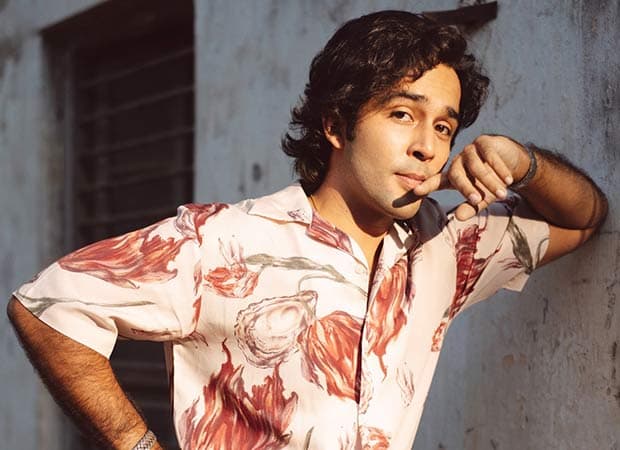
Zahan Kapoor reveals an unconventional role in his upcoming film, signaling a significant shift from his breakout success in Black Warrant. What’s next for this rising star?
Bollywood Hungama
Discover how Vishal Jethwa is transforming his physique for Shakti Shalini, emphasizing the mental discipline behind peak fitness.
Bollywood Hungama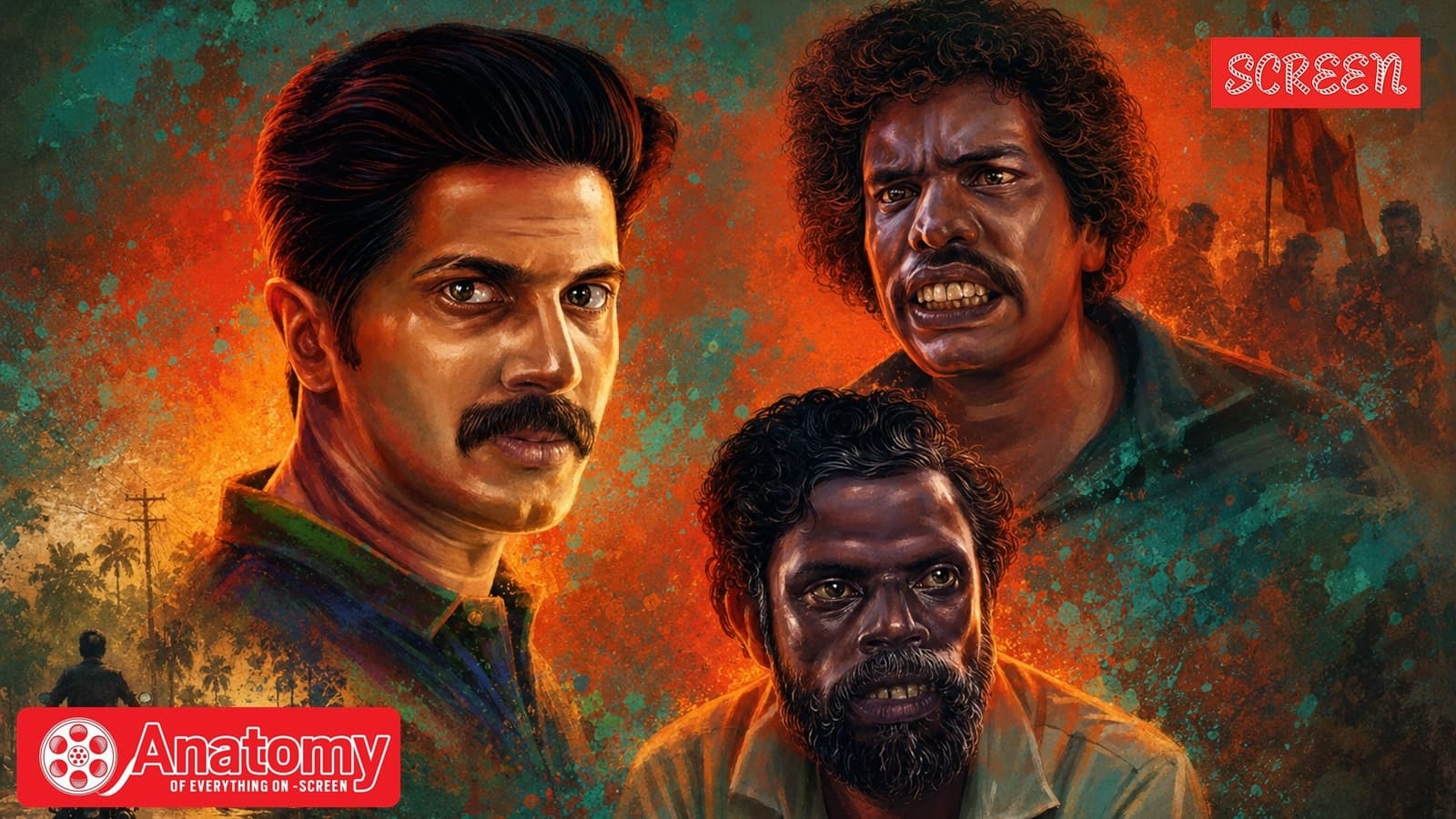
Discover the dark truths of urban development in Kammatipaadam, a film that reveals the often-overlooked sacrifices behind city growth.
Indian Express