
Glipzo
WorldTechnologyBusinessSportsEntertainmentScienceHealthPolitics
Glipzo
WorldTechnologyBusinessSportsEntertainmentScienceHealthPolitics
  1. Home
  2. /
  3. Politics
  4. /
  5. Wes Streeting Reveals Ambitious Wealth Tax Plan for Labour
Wes Streeting Reveals Ambitious Wealth Tax Plan for Labour

Image: BBC Business

Politics
Thursday, May 21, 20265 min read

Wes Streeting Reveals Ambitious Wealth Tax Plan for Labour

Wes Streeting proposes an ambitious wealth tax reform, aiming to raise £12bn annually through capital gains tax changes. Discover what this means for Labour's future.

Glipzo News Desk|Source: BBC Business
Share
Glipzo

Key Highlights

  • Wes Streeting proposes a wealth tax reform to raise £12bn.
  • Capital gains tax could align with income tax rates.
  • Streeting criticizes Labour's current direction under Starmer.
  • Proposed changes aim to close loopholes and support entrepreneurs.

In this article

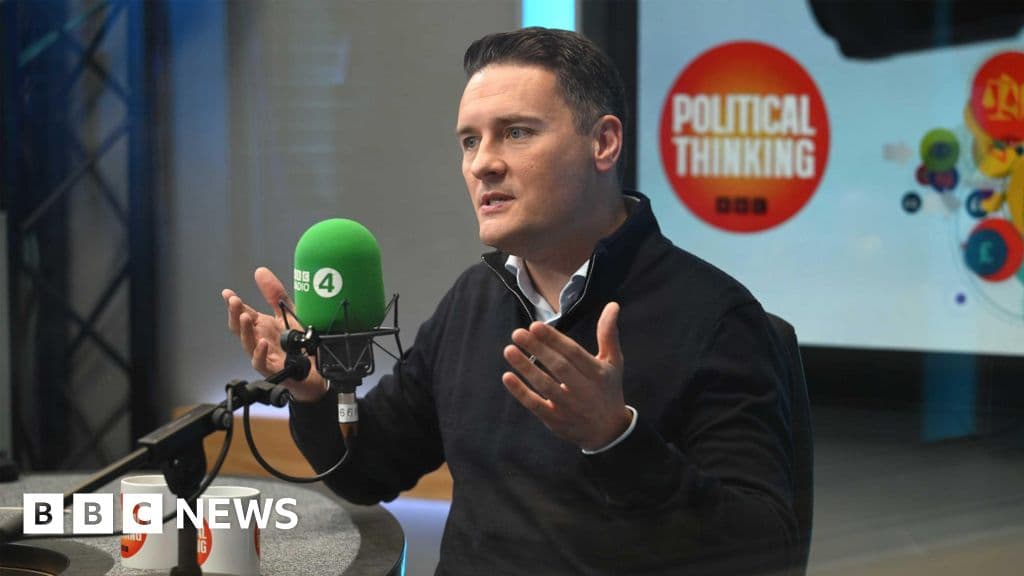
  • Wes Streeting's Bold Proposal for a Wealth Tax Former Health Secretary **Wes Streeting** has made a significant announcement regarding a new economic policy that he believes could transform the financial landscape in the UK. In his recent appearance on the BBC's Political Thinking podcast, Streeting presented his vision for a "**wealth tax that works**" as part of his ongoing bid for the leadership of the Labour Party.
  • Context: A Resignation and an Opportunity This announcement comes shortly after Streeting's resignation from his cabinet position, a move that many speculate was influenced by pressure from numerous Labour MPs urging Prime Minister **Sir Keir Starmer** to step down. Streeting's resignation has ignited intense discussions about his potential candidacy for party leadership. Although he did not initiate a leadership challenge immediately after exiting the cabinet, he has confirmed his intentions to enter any forthcoming contest.
  • Navigating Leadership Contest Dynamics To officially challenge Starmer for leadership, Streeting requires the backing of **81 Labour MPs** under the party's regulations. He indicated that he contemplated this decision just days before stepping down, particularly after learning that **Andy Burnham**, the Mayor of Greater Manchester and another potential contender, had secured a parliamentary seat. This development prompted Streeting to reconsider the timing of a leadership bid, suggesting that a leadership contest initiated by him could be perceived as an opportunistic move ahead of Burnham's anticipated return to frontline politics.
  • Understanding Capital Gains Tax and Its Proposed Changes Under current regulations, individuals are allowed a **tax-free allowance** of **£3,000** on capital gains, with anything above this threshold subject to taxation at varying rates based on one’s income bracket. For **higher rate taxpayers**, the tax rate stands at **24%** for the current financial year. Streeting's proposal aims to align capital gains tax rates with three income tax bands: **20%, 40%, and 45%**.
  • Differentiating from Other Proposals Streeting's strategy diverges sharply from the **Green Party's** proposed wealth tax, which suggests an annual levy of **1% on assets exceeding £10 million** and **2% on those above £1 billion**. This distinction highlights Streeting’s focus on reforming existing tax structures rather than implementing a new wealth tax system.
  • What Lies Ahead for Streeting and Labour As Wes Streeting navigates the potential waters of Labour leadership, all eyes will be on how his proposed policies resonate with party members and the general public. His ambitious tax reforms and candid critiques of the current government position him as a challenger who is ready to shake up the status quo.
  • Why It Matters Streeting's wealth tax proposal represents a significant shift in Labour's economic strategy, potentially redefining how wealth is taxed in the UK. As discussions around tax reform gain momentum, this policy could ignite broader debates on fairness and economic growth, making it a pivotal moment in UK politics.

Wes Streeting's Bold Proposal for a Wealth Tax Former Health Secretary **Wes Streeting** has made a significant announcement regarding a new economic policy that he believes could transform the financial landscape in the UK. In his recent appearance on the BBC's Political Thinking podcast, Streeting presented his vision for a "**wealth tax that works**" as part of his ongoing bid for the leadership of the Labour Party.

Streeting is advocating for a reform that would equalize capital gains tax with income tax, an initiative he estimates could generate an impressive £12 billion a year for public finances. He argues that this move would help correct an imbalanced taxation system that currently penalizes hard work while simultaneously incentivizing investment. By introducing lower capital gains tax rates for genuine entrepreneurs, Streeting aims to stimulate economic growth and support innovation.

Context: A Resignation and an Opportunity This announcement comes shortly after Streeting's resignation from his cabinet position, a move that many speculate was influenced by pressure from numerous Labour MPs urging Prime Minister **Sir Keir Starmer** to step down. Streeting's resignation has ignited intense discussions about his potential candidacy for party leadership. Although he did not initiate a leadership challenge immediately after exiting the cabinet, he has confirmed his intentions to enter any forthcoming contest.

During his meeting with Starmer at Downing Street just prior to his resignation, Streeting made his ambition clear. He stated, "As I said to the prime minister in my letter and privately, this is a government that lacks definition and also direction and vision... When people don't know who you are, and what you stand for, they don't vote for you." This candid assessment underscores his belief that the Labour Party needs a renewed sense of purpose.

Navigating Leadership Contest Dynamics To officially challenge Starmer for leadership, Streeting requires the backing of **81 Labour MPs** under the party's regulations. He indicated that he contemplated this decision just days before stepping down, particularly after learning that **Andy Burnham**, the Mayor of Greater Manchester and another potential contender, had secured a parliamentary seat. This development prompted Streeting to reconsider the timing of a leadership bid, suggesting that a leadership contest initiated by him could be perceived as an opportunistic move ahead of Burnham's anticipated return to frontline politics.

In the interim, Streeting has been outlining his policy proposals, with his capital gains tax reform being the most significant to date. This tax, levied on profits from asset sales, is a crucial part of his strategy to raise funds for essential public services. A recent report from the Centre for the Analysis of Taxation suggested that reforming capital gains tax could yield £14 billion annually, a financial boon that could contribute to various Labour initiatives.

Understanding Capital Gains Tax and Its Proposed Changes Under current regulations, individuals are allowed a **tax-free allowance** of **£3,000** on capital gains, with anything above this threshold subject to taxation at varying rates based on one’s income bracket. For **higher rate taxpayers**, the tax rate stands at **24%** for the current financial year. Streeting's proposal aims to align capital gains tax rates with three income tax bands: **20%, 40%, and 45%**.

This innovative reform would see an individual’s capital gains tax rate determined by combining their income and profits from assets, thereby reflecting a more equitable approach to taxation. Furthermore, Streeting plans to close loopholes that permit individuals to convert income from work into capital gains to evade higher tax rates, ensuring that all forms of income are taxed fairly. Additionally, he intends to provide lower capital gains tax rates for entrepreneurs willing to take risks to foster business growth.

Differentiating from Other Proposals Streeting's strategy diverges sharply from the **Green Party's** proposed wealth tax, which suggests an annual levy of **1% on assets exceeding £10 million** and **2% on those above £1 billion**. This distinction highlights Streeting’s focus on reforming existing tax structures rather than implementing a new wealth tax system.

During his interview, Streeting also addressed the contentious issue of Brexit. He described the decision to leave the European Union following the 2016 referendum as a "catastrophic mistake" and suggested that the UK should strive to rejoin the bloc in the future. However, he emphasized that rejoining would require a clear consensus among the British populace, indicating the complex political landscape he would navigate as a potential leader.

What Lies Ahead for Streeting and Labour As Wes Streeting navigates the potential waters of Labour leadership, all eyes will be on how his proposed policies resonate with party members and the general public. His ambitious tax reforms and candid critiques of the current government position him as a challenger who is ready to shake up the status quo.

What remains to be seen is whether Streeting can garner the necessary support among Labour MPs to launch a formal challenge to Starmer and how his policies will be received by the electorate. As the political climate continues to evolve, Streeting's vision for the Labour Party will be instrumental in shaping its future direction, making it essential for party supporters to stay informed about his developments.

Why It Matters Streeting's wealth tax proposal represents a significant shift in Labour's economic strategy, potentially redefining how wealth is taxed in the UK. As discussions around tax reform gain momentum, this policy could ignite broader debates on fairness and economic growth, making it a pivotal moment in UK politics.

In conclusion, Wes Streeting’s path forward is filled with both opportunities and challenges as he seeks to redefine the Labour Party's identity and policies in a rapidly changing political landscape. Expect to see reactions not only from Labour members but also from the wider public as these discussions unfold.

Did you find this article useful? Share it!

Share

Related Articles

Critical Air Strikes Erupt Between US and Iran in Gulf Region
Politics
Jun 1, 2026

Critical Air Strikes Erupt Between US and Iran in Gulf Region

Tensions soar as the US and Iran engage in air strikes near the Strait of Hormuz, raising concerns over global oil supply and regional stability.

BBC World

Trump Faces Stalemate in International Military Strategy
Politics
Jun 1, 2026

Trump Faces Stalemate in International Military Strategy

Trump's international interventions face serious stalemates. What will this mean for U.S. foreign policy? Explore the critical challenges ahead.

Indian Express

Tehran Denies Rumors of President Pezeshkian’s Resignation
Politics
Jun 1, 2026

Tehran Denies Rumors of President Pezeshkian’s Resignation

Tehran denies resignation of President Masoud Pezeshkian amid claims of IRGC influence. What does this mean for Iran's political stability? Click to learn more!

Indian Express

Categories

  • World
  • Technology
  • Business
  • Sports

More

  • Entertainment
  • Science
  • Health
  • Politics

Explore

  • Web Stories
  • About Us
  • Contact

Legal

  • Privacy Policy
  • Terms of Service
  • Disclaimer

© 2026 Glipzo. All rights reserved.