Glipzo
WorldTechnologyBusinessSportsEntertainmentScienceHealthPolitics
Glipzo
WorldTechnologyBusinessSportsEntertainmentScienceHealthPolitics
  1. Home
  2. /
  3. Entertainment
  4. /
  5. Vishu 2026: Discover the Malayalam New Year Celebrations
Vishu 2026: Discover the Malayalam New Year Celebrations

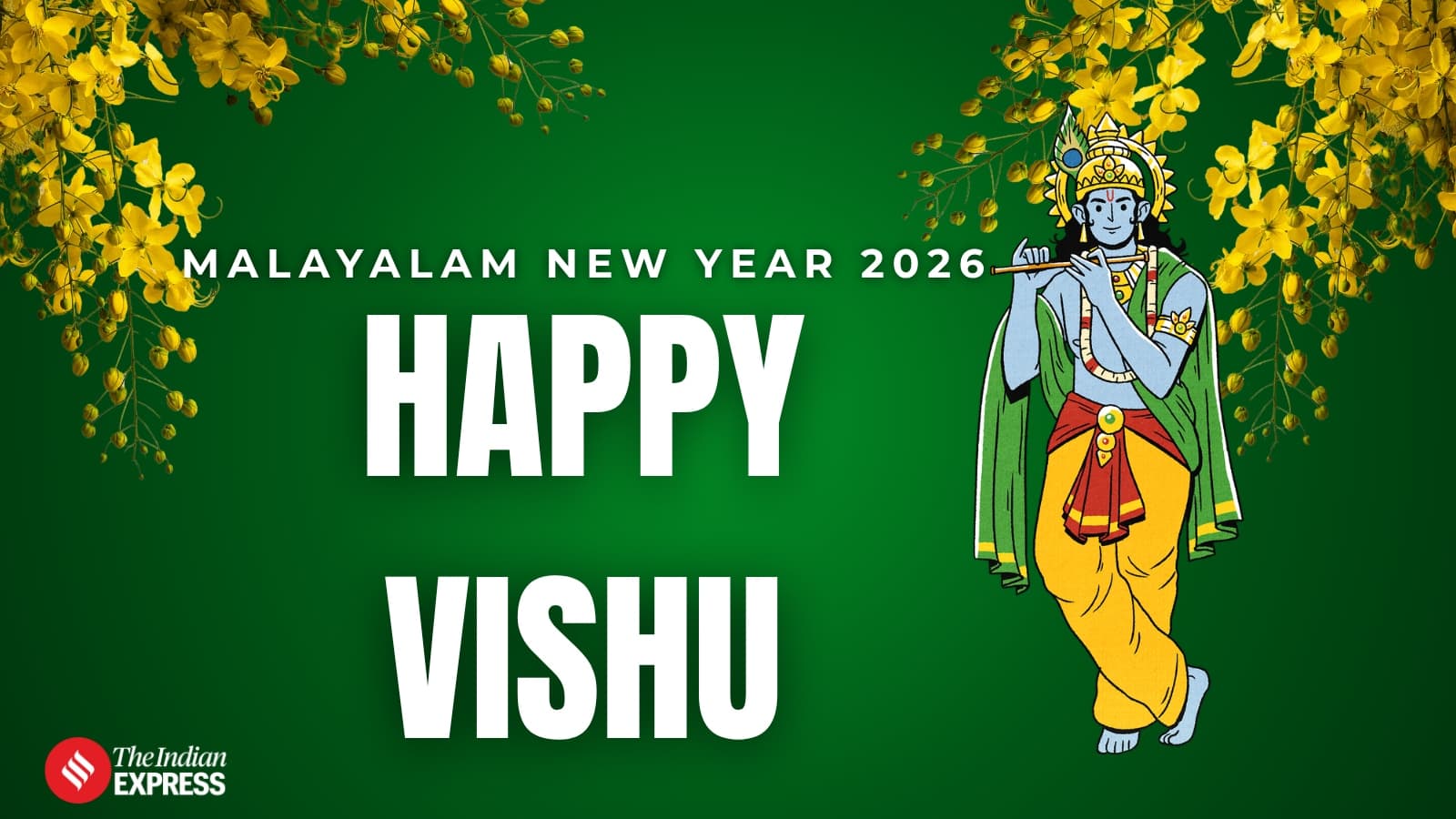
Image: Indian Express

Entertainment
Sunday, April 12, 20264 min read

Vishu 2026: Discover the Malayalam New Year Celebrations

Discover Vishu 2026, the Malayalam New Year celebrated on April 15. Explore its rich traditions, significance, and how it fosters community and renewal.

Glipzo News Desk|Source: Indian Express
Share
Glipzo

Key Highlights

  • Vishu 2026 falls on April 15, marking the Malayalam New Year.
  • The festival involves the ritual of Vishukkani for good fortune.
  • Vishu symbolizes new beginnings and prosperity for the year ahead.
  • Agricultural ties make Vishu crucial for Kerala's harvest celebrations.
  • Modern celebrations blend tradition with community spirit.

In this article

  • Vishu 2026: What You Need to Know About the Malayalam New Year **Vishu**, the vibrant celebration of the Malayalam New Year, is set to take place on **April 15, 2026**. This special occasion marks the commencement of the **Medam month** in the Malayalam calendar, primarily observed in **Kerala**. While traditionally, the Malayalam New Year is celebrated on the first day of **Chingam**, many in the **Malabar** region recognize Vishu as the astrological New Year. This distinction highlights the cultural diversity within the celebrations in Kerala, where Vishu reflects themes of renewal, prosperity, and hope for the upcoming year.
  • The Astrological Significance of Vishu The roots of Vishu stretch deep into ancient **Hindu traditions** and intricate **astronomical calculations**. This festival is celebrated on the day the sun transitions into the zodiac sign of **Aries (Mesha)**, marking a significant moment in the solar calendar. This transition is not merely symbolic; it represents the start of the new year in the Malayalam calendar, aligning with the month of Medam. Across various Indian cultures, this solar event is recognized as an auspicious time that signifies renewal and the cyclical nature of life.
  • The Cultural Importance of Vishu The essence of Vishu lies in its symbolism of **new beginnings**, **prosperity**, and **positive energy**. Celebrated at the start of the Malayalam month of Medam, this festival signifies the sun's entry into Aries, and is regarded as a propitious time. The ritual of Vishukkani plays a central role in setting the tone for the year, establishing an atmosphere of abundance and optimism.
  • How Vishu is Celebrated Today Modern Vishu celebrations blend traditional customs with contemporary practices. Families often gather for a grand feast that features a variety of dishes, showcasing the rich culinary heritage of Kerala. From **sweets** to **savory dishes**, the spread is a testament to the region's agricultural bounty and culinary skills.
  • Looking Ahead: The Future of Vishu As we approach **April 15, 2026**, plans for Vishu celebrations are already underway. The festival continues to evolve while staying true to its roots, and there is a growing interest among younger generations to engage with and understand the significance of these traditions. As Kerala's cultural landscape changes, the essence of Vishu—its themes of renewal and hope—will remain relevant, inspiring future generations to celebrate their heritage with pride.
  • Why It Matters Understanding Vishu is crucial not only for those who celebrate it but also for anyone interested in the rich tapestry of Indian festivals. It showcases how cultural practices are intertwined with astronomical events and agricultural cycles, reflecting the relationship between people and their environment. As such celebrations continue to adapt and thrive, they serve as a reminder of the importance of community, gratitude, and the eternal hope for a prosperous future.

Vishu 2026: What You Need to Know About the Malayalam New Year **Vishu**, the vibrant celebration of the Malayalam New Year, is set to take place on **April 15, 2026**. This special occasion marks the commencement of the **Medam month** in the Malayalam calendar, primarily observed in **Kerala**. While traditionally, the Malayalam New Year is celebrated on the first day of **Chingam**, many in the **Malabar** region recognize Vishu as the astrological New Year. This distinction highlights the cultural diversity within the celebrations in Kerala, where Vishu reflects themes of renewal, prosperity, and hope for the upcoming year.

Vishu is not just a festive day; it is steeped in rich rituals and customs. The celebrations are characterized by the early morning tradition of Vishukkani, where families view an elaborately arranged display of fruits, flowers, rice, coins, and a mirror. This first sight of the year is believed to usher in good fortune and blessings for the months ahead. Along with wearing new clothes and offering prayers, families exchange Vishukkaineetam, gifts that often include money, reinforcing bonds and love among family members. Each of these practices contributes to a powerful atmosphere of positivity and cultural heritage.

The Astrological Significance of Vishu The roots of Vishu stretch deep into ancient **Hindu traditions** and intricate **astronomical calculations**. This festival is celebrated on the day the sun transitions into the zodiac sign of **Aries (Mesha)**, marking a significant moment in the solar calendar. This transition is not merely symbolic; it represents the start of the new year in the Malayalam calendar, aligning with the month of Medam. Across various Indian cultures, this solar event is recognized as an auspicious time that signifies renewal and the cyclical nature of life.

Historically, Vishu has strong ties to the agricultural practices of Kerala. The festival coincides with the harvest season, signifying the beginning of a new agricultural cycle, which has been vital for the agrarian communities in the region. Over the centuries, Vishu has evolved while maintaining its core rituals, transforming into a cultural celebration that weaves together mythology, astronomy, and local traditions.

The Cultural Importance of Vishu The essence of Vishu lies in its symbolism of **new beginnings**, **prosperity**, and **positive energy**. Celebrated at the start of the Malayalam month of Medam, this festival signifies the sun's entry into Aries, and is regarded as a propitious time. The ritual of Vishukkani plays a central role in setting the tone for the year, establishing an atmosphere of abundance and optimism.

The importance of family is a cornerstone of Vishu celebrations. The act of exchanging gifts, especially from elders to younger family members, emphasizes gratitude and reinforces familial bonds. The giving of Vishukkaineetam serves as a reminder of the values of generosity and kindness that underpin this festival. Beyond the rituals, Vishu encourages a mindset that embraces hope and renewal, promoting a positive outlook on life’s possibilities.

How Vishu is Celebrated Today Modern Vishu celebrations blend traditional customs with contemporary practices. Families often gather for a grand feast that features a variety of dishes, showcasing the rich culinary heritage of Kerala. From **sweets** to **savory dishes**, the spread is a testament to the region's agricultural bounty and culinary skills.

Additionally, many people participate in community celebrations that include cultural performances, fireworks, and fairs, making the festival a collective experience that fosters unity. The vibrant atmosphere of Vishu creates a sense of belonging and togetherness, drawing not only families but also friends and neighbors into the joyful celebrations.

Looking Ahead: The Future of Vishu As we approach **April 15, 2026**, plans for Vishu celebrations are already underway. The festival continues to evolve while staying true to its roots, and there is a growing interest among younger generations to engage with and understand the significance of these traditions. As Kerala's cultural landscape changes, the essence of Vishu—its themes of renewal and hope—will remain relevant, inspiring future generations to celebrate their heritage with pride.

Why It Matters Understanding Vishu is crucial not only for those who celebrate it but also for anyone interested in the rich tapestry of Indian festivals. It showcases how cultural practices are intertwined with astronomical events and agricultural cycles, reflecting the relationship between people and their environment. As such celebrations continue to adapt and thrive, they serve as a reminder of the importance of community, gratitude, and the eternal hope for a prosperous future.

Did you find this article useful? Share it!

Share

Related Articles

Shocking: Akshay Kumar's Son Aarav Lived in Fear of Vidya Balan
Entertainment
Apr 14, 2026

Shocking: Akshay Kumar's Son Aarav Lived in Fear of Vidya Balan

Akshay Kumar reveals his son Aarav was terrified of Vidya Balan for six years after watching Bhool Bhulaiyaa. Discover the surprising story now!

Bollywood Hungama
Adivi Sesh Unveils 'Dacoit': A Modern Love Story Redefined
Entertainment
Apr 14, 2026

Adivi Sesh Unveils 'Dacoit': A Modern Love Story Redefined

Discover Adivi Sesh's 'Dacoit', a modern love story reimagining Romeo and Juliet against rural India, exploring how love transforms over time.

Bollywood Hungama
Pulkit Samrat Makes History with Live Boxing Match Debut
Entertainment
Apr 14, 2026

Pulkit Samrat Makes History with Live Boxing Match Debut

Pulkit Samrat is making history as the first Indian actor to fight in a live boxing match, showcasing a new trend in Bollywood's approach to authenticity.

Bollywood Hungama

Categories

  • World
  • Technology
  • Business
  • Sports

More

  • Entertainment
  • Science
  • Health
  • Politics

Explore

  • Web Stories
  • About Us
  • Contact

Legal

  • Privacy Policy
  • Terms of Service

© 2026 Glipzo. All rights reserved.