
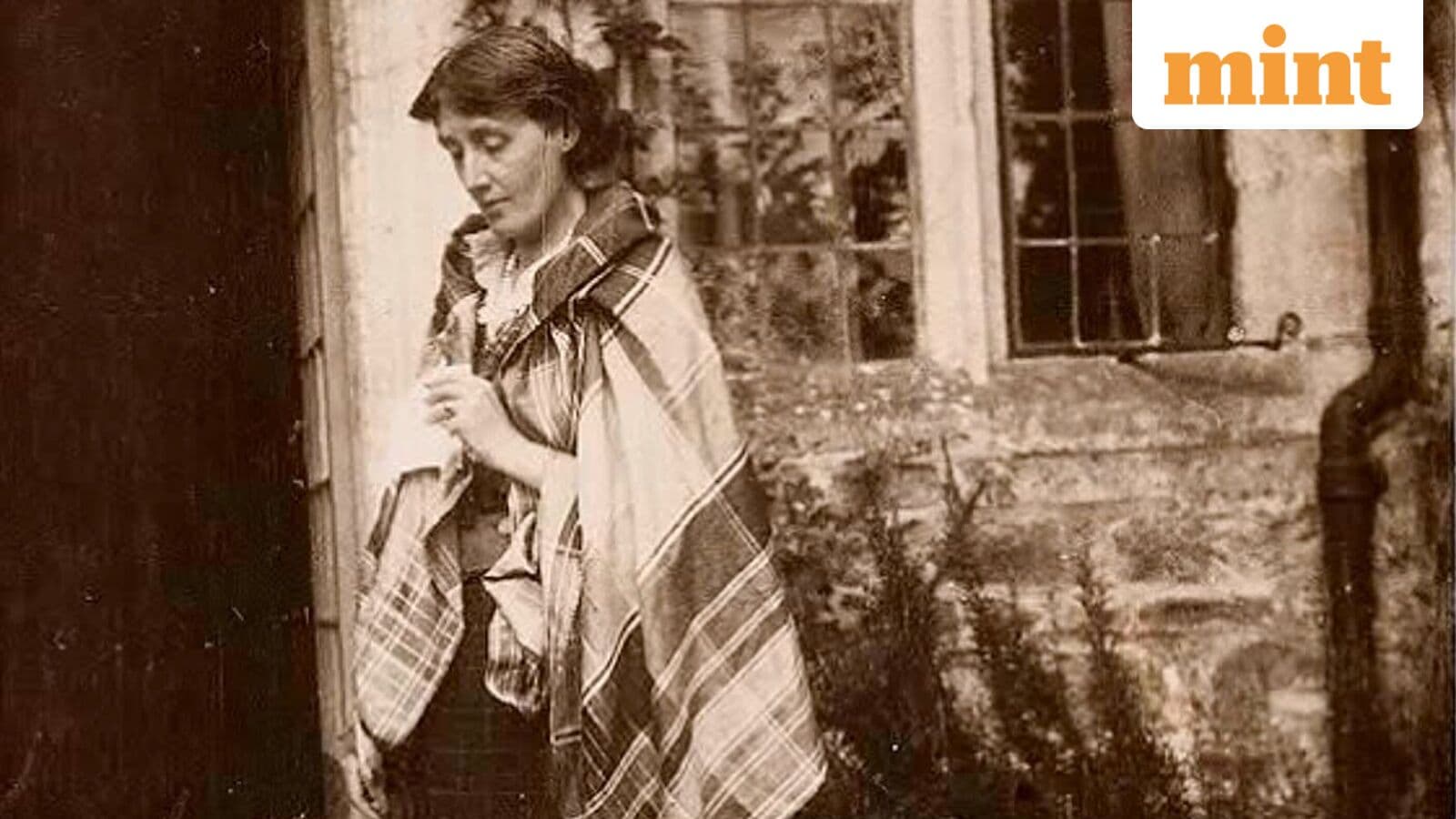
Image: Mint (Business)
Discover Virginia Woolf's profound insights on honesty in storytelling and why self-awareness is essential for authentic expression.
GlipzoVirginia Woolf, born on January 25, 1882, in London, stands as a monumental figure in twentieth-century literature. Renowned for her innovative narrative structures and profound psychological insight, she played a pivotal role in evolving modern fiction to capture the intricate tapestry of human emotions and thoughts. Her literary contributions continue to resonate with authors, scholars, and readers globally, influencing the way stories are crafted and consumed.
At the heart of Woolf’s literary philosophy lies a fundamental principle: honesty. She firmly believed that true understanding—whether in the realm of literature or in daily life—demands a courageous self-examination. One of her most poignant remarks encapsulates this belief: “If you do not tell the truth about yourself, you cannot tell it about other people.” This profound statement underscores the significance of self-awareness as the cornerstone of authentic storytelling.
Woolf’s assertion implies that a writer’s capacity to convey the truths of others is intrinsically linked to their willingness to confront their own inner realities, emotions, and biases. The essence of her philosophy is that authentic expression stems from an unflinching look inwards.
Her literary style was a testament to this belief. Woolf eschewed traditional plot-driven narratives in favor of experimental techniques such as stream-of-consciousness writing. This method invites readers to delve into the fluid, often chaotic, thoughts and feelings of her characters, thereby providing an unfiltered glimpse into human consciousness.
By employing these innovative techniques, Woolf sought to portray life and thoughts in their most raw and honest form, allowing readers to connect deeply with her characters.
Woolf’s own life mirrored her commitment to intellectual independence and creative exploration. She was raised in a literary environment, with her father, Leslie Stephen, being a noted historian and critic, and her mother, Julia Stephen, recognized for her philanthropic endeavors. This background fostered a love for literature that would culminate in her groundbreaking work.
Following her father’s passing in 1904, Woolf and her siblings moved to Bloomsbury, where she became an integral part of the Bloomsbury Group. This collective of writers, artists, and intellectuals was known for challenging the restrictive norms of the Victorian era and encouraging candid discussions about artistry, politics, and societal issues.
In 1912, she married fellow writer Leonard Woolf. Five years later, they founded the Hogarth Press, a publishing house that not only published many of Woolf’s own works but also introduced significant literary figures to the public.
The subsequent years saw the emergence of some of Woolf’s most acclaimed works, such as Mrs Dalloway (1925) and To the Lighthouse (1927). Her influential essay, A Room of One’s Own (1929), presented a compelling argument for women's intellectual freedom and the necessity of creative independence.
Despite her literary successes, Woolf battled with mental health challenges throughout her life. The pressures of the Second World War and her deteriorating health ultimately led to her tragic death in 1941 at the age of 59.
Today, Woolf's legacy endures, with her works frequently translated, studied, and passionately debated across the globe. Her insights into truth and authenticity remain relevant, extending beyond literature into journalism and other fields. The notion that genuine understanding of others begins with the courage to be honest about oneself is a powerful reminder in an age where misinformation can easily proliferate.
As society grapples with complexities in communication and understanding, Woolf’s reflections offer profound guidance. Her emphasis on self-examination not only enriches storytelling but also fosters deeper connections between individuals.
As we move forward in a rapidly evolving literary landscape, Woolf’s principles of honesty and introspection will continue to influence aspiring writers and seasoned authors alike. The call for authenticity in storytelling is more pressing than ever as readers seek narratives that resonate with their own experiences and emotions.
Key takeaways from Woolf’s philosophy include: - Self-awareness is crucial for authentic storytelling. - Innovative narrative techniques can deepen emotional connections between characters and readers. - The courage to confront personal truths can lead to more profound understandings of others.
As writers and readers, embracing Woolf's insights can pave the way for richer, more meaningful narratives in the future, fostering a literary culture that values honesty and emotional depth.
In a world increasingly defined by its complexities, Virginia Woolf’s timeless message remains a beacon for those striving for sincerity in their storytelling endeavors.

Zahan Kapoor reveals an unconventional role in his upcoming film, signaling a significant shift from his breakout success in Black Warrant. What’s next for this rising star?
Bollywood Hungama
Discover how Vishal Jethwa is transforming his physique for Shakti Shalini, emphasizing the mental discipline behind peak fitness.
Bollywood Hungama
Discover the dark truths of urban development in Kammatipaadam, a film that reveals the often-overlooked sacrifices behind city growth.
Indian Express