

Image: Times of India
Discover why India's IT Minister Vaishnaw believes freedom of speech can't be absolute amid the controversy surrounding Nora Fatehi's banned song.
GlipzoIn a significant development in the Indian entertainment landscape, the ban on Nora Fatehi's latest song, 'Sarke Chunariya,' has sparked a heated debate about the limits of freedom of speech in the arts. Ashwini Vaishnaw, India’s Minister for Electronics and Information Technology, emphasized during a recent press conference that while freedom of speech is vital, it cannot be absolute. This statement comes in response to the backlash surrounding the song, which some critics argue crosses cultural boundaries.
The controversy erupted shortly after the song's release, with various groups voicing concerns over its lyrics and portrayal. In a country where art often reflects societal values and challenges norms, the reaction to 'Sarke Chunariya' underscores the ongoing tension between creative expression and cultural sensitivities.
The cultural fabric of India is rich and diverse, yet it is also fraught with differing opinions on what constitutes acceptable art. Music and film have long served as platforms for expression, but they often tread a fine line when addressing sensitive issues.
Vaishnaw's remarks resonate with many who feel that while artists should have the freedom to create, there must also be a level of accountability regarding the content they produce. He remarked, "Freedom of speech cannot be absolute. There are responsibilities that come with it, especially in a diverse society like ours."
The public response to the ban has been mixed, with many supporting the government's stance on preserving cultural integrity, while others argue that it stifles artistic freedom. Social media platforms have become battlegrounds for these contrasting views:
As the discussions unfold, there’s a growing concern about the implications of such bans on the broader entertainment industry. The fear is that this could lead to a chilling effect where artists hesitate to push boundaries for fear of backlash.
This incident goes beyond a single song; it raises fundamental questions about the role of government in regulating artistic expression. Censorship is a contentious issue globally, with countries grappling with how to balance freedom of expression with cultural respect.
As the debate continues, industry watchers are keenly observing how this situation evolves. Will artists adapt their content to align with cultural expectations, or will they push back against perceived censorship? The implications for freedom of expression in the arts could be profound.
As we move forward, it’s essential to keep an eye on how this controversy unfolds and what it might mean for the Bollywood industry. The response from other artists and public figures will be crucial in shaping the discourse around freedom of speech in art.
The ongoing conversation about the balance between artistic freedom and cultural responsibility will likely continue to be a hot topic in Indian society. Artists, audiences, and policymakers must engage in dialogue to navigate these complex issues while fostering a vibrant creative landscape.
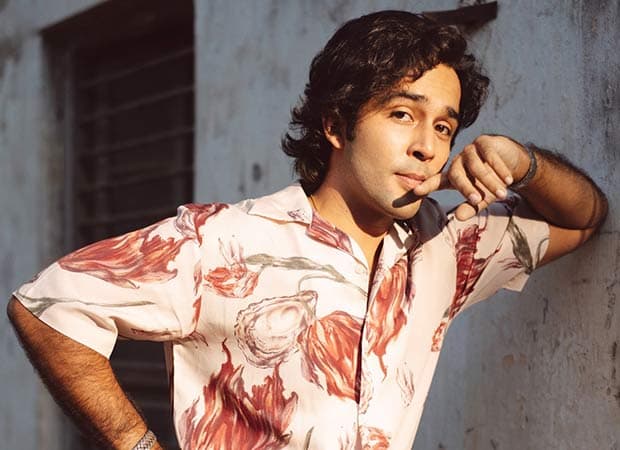
Zahan Kapoor reveals an unconventional role in his upcoming film, signaling a significant shift from his breakout success in Black Warrant. What’s next for this rising star?
Bollywood Hungama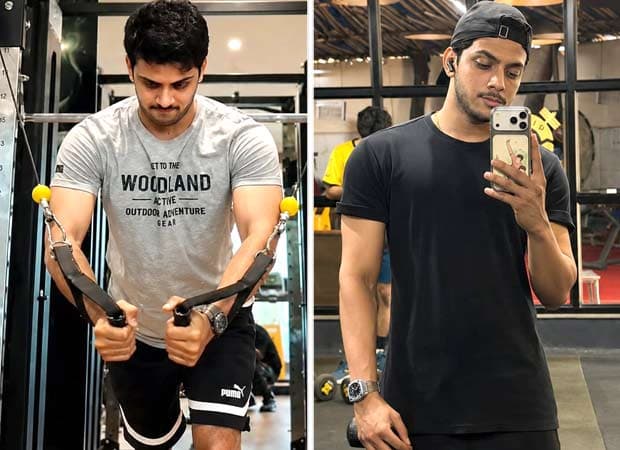
Discover how Vishal Jethwa is transforming his physique for Shakti Shalini, emphasizing the mental discipline behind peak fitness.
Bollywood Hungama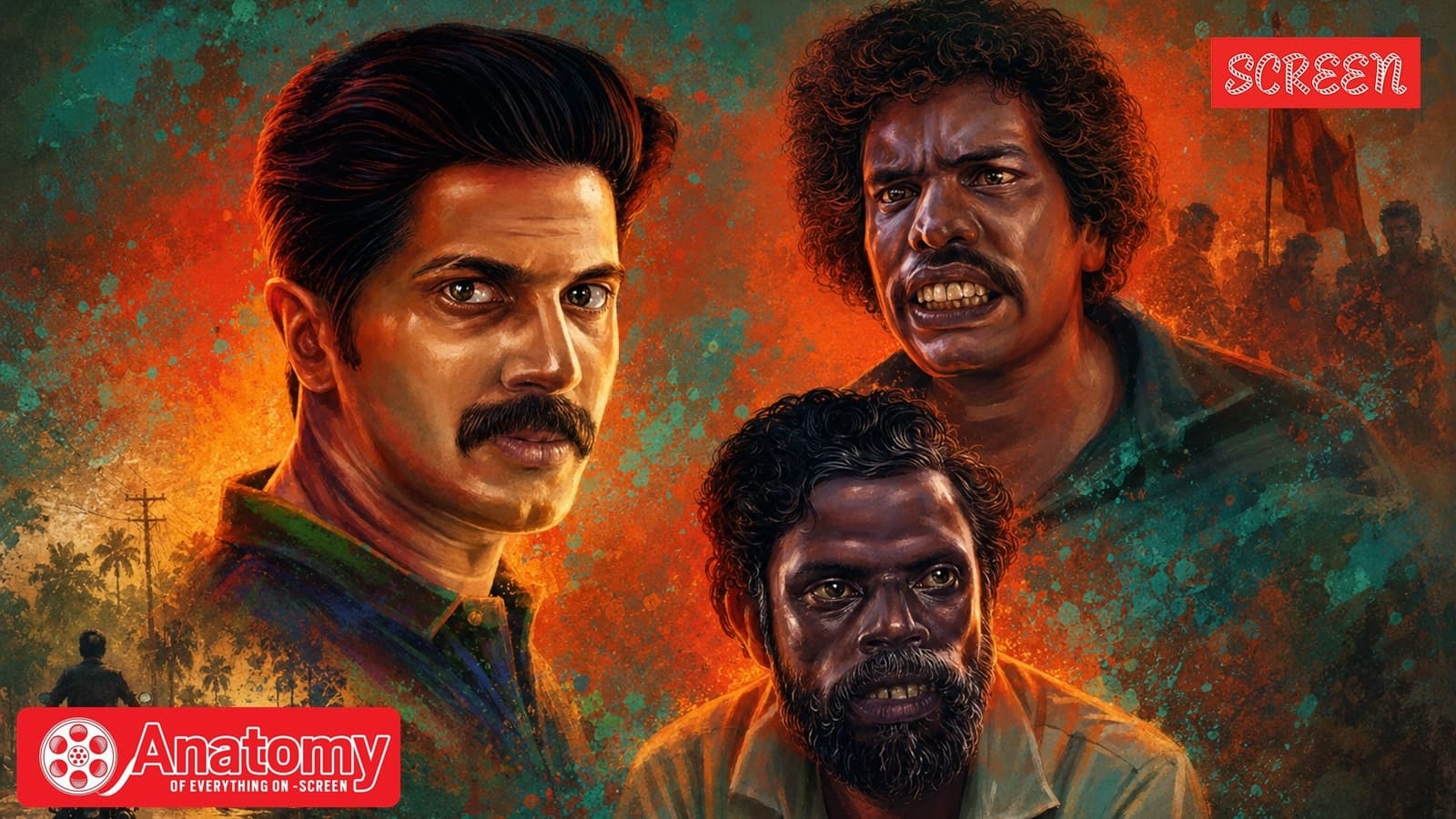
Discover the dark truths of urban development in Kammatipaadam, a film that reveals the often-overlooked sacrifices behind city growth.
Indian Express