
Glipzo
WorldTechnologyBusinessSportsEntertainmentScienceHealthPolitics
Glipzo
WorldTechnologyBusinessSportsEntertainmentScienceHealthPolitics
  1. Home
  2. /
  3. Politics
  4. /
  5. US Shipping Firms Warned Against Iran Payments Amid Tensions
US Shipping Firms Warned Against Iran Payments Amid Tensions

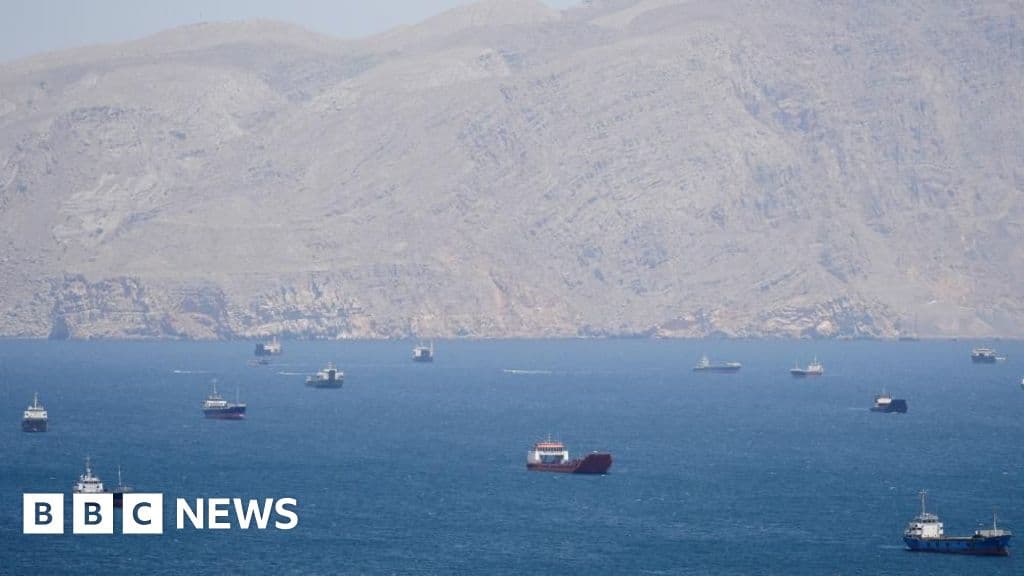
Image: BBC World

Politics
Sunday, May 3, 20264 min read

US Shipping Firms Warned Against Iran Payments Amid Tensions

US warns shipping firms of sanctions for payments to Iran amid rising tensions in the Strait of Hormuz. Learn why this matters for global shipping and aid.

Glipzo News Desk|Source: BBC World
Share
Glipzo

Key Highlights

  • US warns shipping firms of sanctions over Iran toll payments.
  • Iran claims first toll revenue collected for Strait navigation.
  • US sanctions target Iranian currency exchanges amid tensions.
  • Shipping restrictions severely impact humanitarian aid deliveries.

In this article

  • US Sanctions Loom Over Shipping Companies<br>In a bold move, the **U.S. government** has issued a stark warning to shipping firms regarding potential sanctions if they engage in payments to **Iran** for safe passage through the **Strait of Hormuz**. The **Office of Foreign Assets Control (OFAC)** released this alert on Friday, making it clear that any financial dealings with Iranian government entities could lead to serious repercussions for U.S. companies and individuals.<br><br>According to OFAC, the maritime sector, particularly those interacting with vessels calling at Iranian ports, is under substantial risk due to a range of sanctions targeting Iran's shipping industry. The agency stated, "Maritime industry participants involved with vessels calling at Iranian ports face significant sanctions risk under multiple sanctions authorities targeting Iran's shipping sector and ports."
  • Iran's Toll Collection and Its Implications<br>Since the escalation of the conflict earlier this year, Iran has significantly restricted traffic through the **Strait of Hormuz**, a vital shipping corridor for oil and other goods. The **U.S.** has responded with a naval blockade of Iranian ports, intensifying the situation. Iran has characterized the U.S. actions as **piracy**, citing their interception of vessels in and out of its ports.<br><br>In a recent statement, **Hamidreza Haji Bababei**, deputy speaker of Iran's parliament, claimed that Iran has started collecting tolls from ships navigating through the strait, asserting that the first toll revenue had been deposited with the country’s **Central Bank**. However, details regarding the toll amount, collection methods, or the identities of those who paid remain undisclosed and unverified by independent sources.<br><br>OFAC's advisory indicated that payments to Iran could include various forms, such as cash, **digital assets**, informal swaps, or even charitable donations. The agency cautioned that even non-U.S. persons could face civil and criminal liabilities if their transactions inadvertently lead to violations by U.S. parties, such as financial institutions and insurers.<br><br>## U.S. Sanctions Strategy Intensifies<br>The U.S. Treasury Department also announced sanctions on three Iranian **foreign currency exchange houses** on Friday, accusing them of converting oil revenue into more usable currencies. **Treasury Secretary Scott Bessent** emphasized their commitment to disrupt the Iranian regime's financial operations, stating, "We will relentlessly target the regime's ability to generate, move and repatriate funds, and pursue anyone enabling Tehran's attempts to evade sanctions."

US Sanctions Loom Over Shipping Companies
In a bold move, the **U.S. government** has issued a stark warning to shipping firms regarding potential sanctions if they engage in payments to **Iran** for safe passage through the **Strait of Hormuz**. The **Office of Foreign Assets Control (OFAC)** released this alert on Friday, making it clear that any financial dealings with Iranian government entities could lead to serious repercussions for U.S. companies and individuals.

According to OFAC, the maritime sector, particularly those interacting with vessels calling at Iranian ports, is under substantial risk due to a range of sanctions targeting Iran's shipping industry. The agency stated, "Maritime industry participants involved with vessels calling at Iranian ports face significant sanctions risk under multiple sanctions authorities targeting Iran's shipping sector and ports."

Iran's Toll Collection and Its Implications
Since the escalation of the conflict earlier this year, Iran has significantly restricted traffic through the **Strait of Hormuz**, a vital shipping corridor for oil and other goods. The **U.S.** has responded with a naval blockade of Iranian ports, intensifying the situation. Iran has characterized the U.S. actions as **piracy**, citing their interception of vessels in and out of its ports.

In a recent statement, **Hamidreza Haji Bababei**, deputy speaker of Iran's parliament, claimed that Iran has started collecting tolls from ships navigating through the strait, asserting that the first toll revenue had been deposited with the country’s **Central Bank**. However, details regarding the toll amount, collection methods, or the identities of those who paid remain undisclosed and unverified by independent sources.

OFAC's advisory indicated that payments to Iran could include various forms, such as cash, **digital assets**, informal swaps, or even charitable donations. The agency cautioned that even non-U.S. persons could face civil and criminal liabilities if their transactions inadvertently lead to violations by U.S. parties, such as financial institutions and insurers.

## U.S. Sanctions Strategy Intensifies
The U.S. Treasury Department also announced sanctions on three Iranian **foreign currency exchange houses** on Friday, accusing them of converting oil revenue into more usable currencies. **Treasury Secretary Scott Bessent** emphasized their commitment to disrupt the Iranian regime's financial operations, stating, "We will relentlessly target the regime's ability to generate, move and repatriate funds, and pursue anyone enabling Tehran's attempts to evade sanctions."

This aggressive approach follows a series of military actions, including a recent attack by the U.S. and Israel on February 28, which prompted Iran to retaliate by targeting commercial shipping in the Strait of Hormuz. Since the blockade was initiated on April 13, U.S. Central Command (Centcom) reported that they have advised 45 commercial vessels to turn back, a stark contrast to the approximately 3,000 ships that typically pass through this strategic waterway monthly. Currently, only a handful of vessels are making the journey each day.

## Humanitarian Impact of Shipping Restrictions
The closure of vital maritime routes has led to substantial implications for humanitarian efforts, particularly in crisis zones like Sudan, which is enduring its fourth year of conflict. The United Nations High Commissioner for Refugees (UNHCR) reported that the escalating transport and fuel costs are disproportionately impacting those in emergency situations, including refugees and displaced individuals.

Recent figures indicate that the cost of aid delivery to Sudan has surged, doubling in recent months as shipments are rerouted around the Cape of Good Hope in South Africa, extending delivery times by up to 25 days. While the UN agency has adjusted its strategies by increasing reliance on land routes, they caution that persistent instability in the Middle East could significantly hinder humanitarian operations further.

## Ceasefire Talks and Future Prospects
Despite ongoing tensions, the U.S. and Iran entered a fragile ceasefire on April 8, leading to discussions on a potential long-term resolution. As of Thursday night, Iranian state media reported that Tehran had presented a proposal to mediators in Pakistan aimed at ending the conflict. However, the U.S. President has yet to respond publicly to these developments.

The situation in the Strait of Hormuz remains tense, with critical implications not only for international shipping but also for humanitarian efforts in the region. As both nations navigate these precarious waters, all eyes will be on the negotiations for a sustainable peace agreement and the potential impact of U.S. sanctions on global maritime operations. The world watches closely as the stakes continue to rise in this high-stakes geopolitical arena.

Did you find this article useful? Share it!

Share

Related Articles

Critical Air Strikes Erupt Between US and Iran in Gulf Region
Politics
Jun 1, 2026

Critical Air Strikes Erupt Between US and Iran in Gulf Region

Tensions soar as the US and Iran engage in air strikes near the Strait of Hormuz, raising concerns over global oil supply and regional stability.

BBC World

Trump Faces Stalemate in International Military Strategy
Politics
Jun 1, 2026

Trump Faces Stalemate in International Military Strategy

Trump's international interventions face serious stalemates. What will this mean for U.S. foreign policy? Explore the critical challenges ahead.

Indian Express

Tehran Denies Rumors of President Pezeshkian’s Resignation
Politics
Jun 1, 2026

Tehran Denies Rumors of President Pezeshkian’s Resignation

Tehran denies resignation of President Masoud Pezeshkian amid claims of IRGC influence. What does this mean for Iran's political stability? Click to learn more!

Indian Express

Categories

  • World
  • Technology
  • Business
  • Sports

More

  • Entertainment
  • Science
  • Health
  • Politics

Explore

  • Web Stories
  • About Us
  • Contact

Legal

  • Privacy Policy
  • Terms of Service
  • Disclaimer

© 2026 Glipzo. All rights reserved.