
Image: BBC World
US military surveillance near Cuba escalates as tensions rise. Discover the implications of ongoing flights and the geopolitical stakes involved.
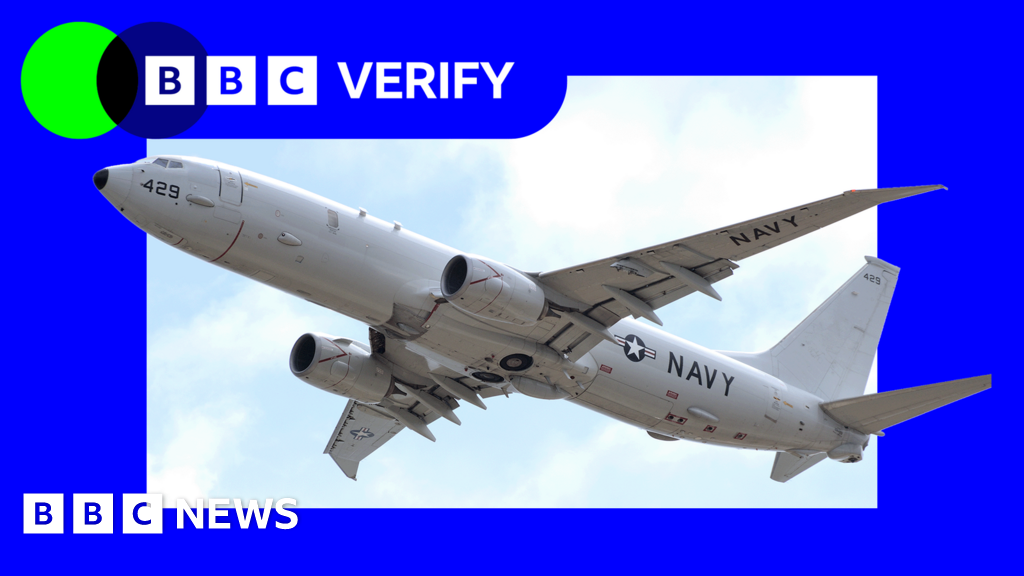
GlipzoTensions between the United States and Cuba have recently intensified, prompting a significant uptick in military surveillance activity in the Caribbean. Since May 11, a series of US Navy P-8A Poseidon surveillance aircraft and MQ-4C Triton drones have been actively patrolling near Cuba's borders, with some operations taking place as close as 50 miles (80 km) from the island. This heightened military presence underscores Washington's strategy to maintain pressure on Havana's communist regime.
The US military has been transparent about its surveillance flights, with their locations appearing on flight-tracking websites like Flightradar24. This openness is seen as a deliberate move to send a strong message that the US is monitoring activities in the region closely. Dr. Steve Wright, a UK drone expert, remarked that leaving transponders on is likely intentional, designed to showcase the US's aerial capabilities and commitment to enforcing its policies against Cuba.
Analysis of tracking data reveals the involvement of at least five P-8A Poseidon aircraft and three MQ-4C Triton drones. These surveillance missions occur against a backdrop of escalating US-Cuba tensions, particularly after the US imposed an effective oil blockade earlier this year. This blockade has significantly impacted Cuba's economy, leading to widespread fuel shortages and subsequent protests throughout the island.
The implications of these flights extend beyond mere observation. They serve as a tool for enforcing the US's blockade while signaling to Cuba and its allies, particularly Venezuela, that the US is vigilant against any attempts to circumvent these restrictions.
In light of the US's military maneuvers, Cuba has responded with a mix of defiance and diplomatic outreach. Reports from Axios indicate that Cuba has acquired drones capable of attacking the US mainland, an assertion that was met with a firm denial from Cuba's Foreign Minister, who stated that the nation "neither threatens nor desires war." He accused Washington of fabricating a justification for potential military intervention.
US Secretary of State Marco Rubio also weighed in, addressing the Cuban population in Spanish on the anniversary of Cuba's independence from the US. Rubio emphasized the hardships faced by Cubans, attributing their struggles to the island's leadership rather than the US-imposed restrictions. His remarks signal a shift in US policy, aiming for a renewed relationship with the Cuban people while maintaining pressure on the government.
The strategic deployment of surveillance aircraft not only aims to monitor Cuba but also to deter any potential support from allied nations attempting to deliver fuel to the island. Experts believe that the public nature of these flights is indicative of a broader agenda to reinforce the blockade and cripple Cuba's economic capabilities.
Mark Cancian, a retired US Marine Corps colonel and senior adviser at the Center for Strategic and International Studies (CSIS), pointed out that the flight patterns of these surveillance missions suggest an intention to monitor shipping routes, particularly from the south. He clarified that while these flights are persistent, they do not indicate plans for an invasion, as operations have not involved flights over land.
The current tensions are rooted in a complex history of US-Cuba relations, marked by decades of hostility and conflicting interests. The US has maintained a trade embargo against Cuba since 1960, with measures intensifying under various administrations. The recent blockade, particularly affecting oil imports, has exacerbated the situation, leading to severe economic strains on the island and igniting public dissent.
In recent months, the Cuban government has been under significant pressure, with the US threatening military intervention similar to actions taken in Venezuela earlier this year. This ongoing pressure has created a volatile environment, where military surveillance serves both as a deterrent and a means of asserting US influence in the region.
As tensions between the US and Cuba continue to escalate, observers are keenly watching for further developments. The ongoing military presence in the Caribbean, coupled with diplomatic maneuvers from both sides, suggests that the situation is far from resolved.
The international community remains vigilant as these developments unfold, with implications not only for US-Cuba relations but also for broader geopolitical dynamics in Latin America.
Understanding the ongoing military activities near Cuba is crucial as they reflect larger geopolitical strategies and tensions in the region. The enforcement of the US blockade and surveillance missions have far-reaching implications for Cuba's economy and stability, while also highlighting the complexities of US foreign policy in Latin America.
With both nations at a crossroads, the coming months will be pivotal in determining the future trajectory of US-Cuba relations and regional stability.

Tensions soar as the US and Iran engage in air strikes near the Strait of Hormuz, raising concerns over global oil supply and regional stability.
BBC World
Trump's international interventions face serious stalemates. What will this mean for U.S. foreign policy? Explore the critical challenges ahead.
Indian Express
Tehran denies resignation of President Masoud Pezeshkian amid claims of IRGC influence. What does this mean for Iran's political stability? Click to learn more!
Indian Express