
Image: Indian Express
The U.S. military launched a strike against a narco-trafficking vessel in the eastern Pacific, killing three individuals. What does this mean for future operations?
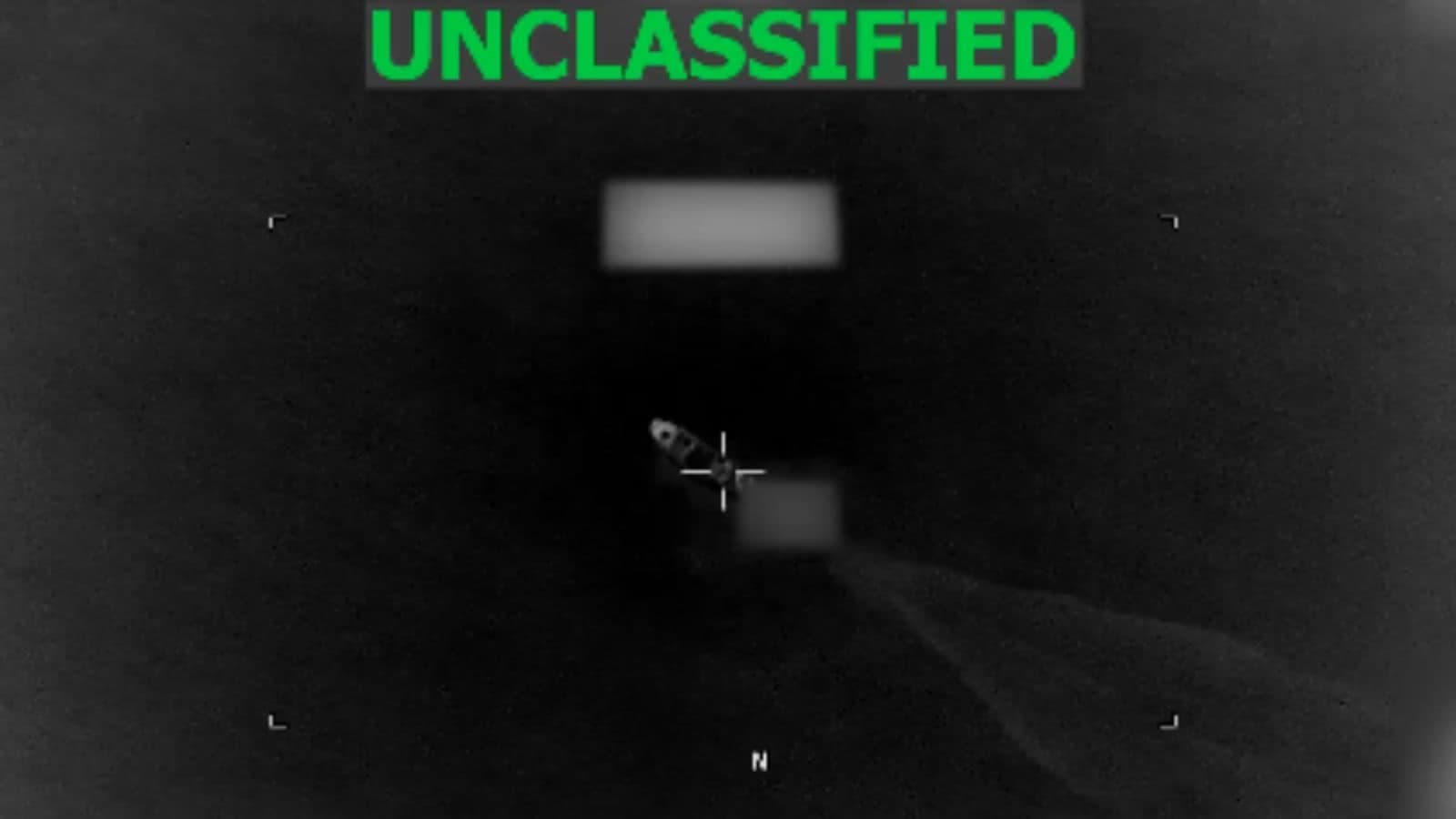
GlipzoIn a significant escalation of its operations against drug trafficking, the U.S. military executed a targeted airstrike on a vessel alleged to be involved in narco-trafficking activities in the eastern Pacific on May 30. This decisive action, described as a "lethal kinetic strike," resulted in the deaths of three individuals linked to designated terrorist organizations. This marks the fourth military strike in just under a week, underscoring the urgency of the U.S. response to drug-related threats in the region.
According to the U.S. Southern Command, the strike was directed by General Francis L. Donovan, highlighting the military's commitment to dismantling operations along known trafficking routes. In a post on X, Southern Command confirmed that the targeted vessel was engaged in narco-trafficking operations, validating the intelligence that led to this operation.
> "On May 30, at the direction of #SOUTHCOM commander Gen. Francis L. Donovan, Joint Task Force Southern Spear conducted a lethal kinetic strike on a vessel operated by Designated Terrorist Organizations. Intelligence confirmed the vessel was transiting along known narco-trafficking routes in the Eastern Pacific and was engaged in narco-trafficking operations," the statement read.
The recent strike is part of a broader campaign against drug trafficking that has intensified in recent years. Just a day prior, on May 29, U.S. forces targeted another vessel in the same region, resulting in the death of one person. This pattern of military action in the eastern Pacific has raised questions about the effectiveness and ethics of using military force in such operations.
The military has publicly shared video footage of these strikes, showcasing boats before and after they were hit. This transparency aims to provide evidence of the operations and bolster public support for the ongoing efforts against drug trafficking.
These strikes are part of a larger strategy initiated during the Trump administration aimed at curbing drug trafficking in Latin American waters, particularly in the Caribbean and eastern Pacific. Since this campaign began, more than 200 individuals have reportedly been killed in similar military operations. This raises critical questions about the consequences of military intervention in addressing drug trafficking and the associated violence.
The strategy has significant implications for U.S. foreign policy and relationships with Latin American countries. While aimed at disrupting criminal organizations, such military actions could also strain diplomatic ties and raise concerns regarding sovereignty and human rights violations.
> "Three male narco-terrorists were killed during this action. No U.S. military forces were harmed," Southern Command emphasized, attempting to underline the precision and intended impact of these operations.
The U.S. military's recent actions highlight the ongoing battle against drug trafficking networks that pose a threat not only to U.S. national security but also to the stability of nations throughout Latin America. The eastern Pacific has long been a critical route for narco-traffickers transporting drugs to markets in the United States and beyond.
As the U.S. military continues its campaign against narco-trafficking, observers will be closely watching for several developments: - Increased Military Engagement: Further strikes may be anticipated as U.S. forces aim to dismantle drug trafficking networks. - Political Reactions: Both domestic and international responses will shape policy decisions moving forward. - Emerging Strategies: The U.S. could explore alternative strategies that focus on cooperation with local governments and law enforcement.
The ongoing operations against narco-trafficking in the eastern Pacific will undoubtedly remain a focal point of U.S. military and foreign policy, as the balance between national security and ethical responsibility continues to be examined on both sides of the border.

Tensions soar as the US and Iran engage in air strikes near the Strait of Hormuz, raising concerns over global oil supply and regional stability.
BBC World
Trump's international interventions face serious stalemates. What will this mean for U.S. foreign policy? Explore the critical challenges ahead.
Indian Express
Tehran denies resignation of President Masoud Pezeshkian amid claims of IRGC influence. What does this mean for Iran's political stability? Click to learn more!
Indian Express