
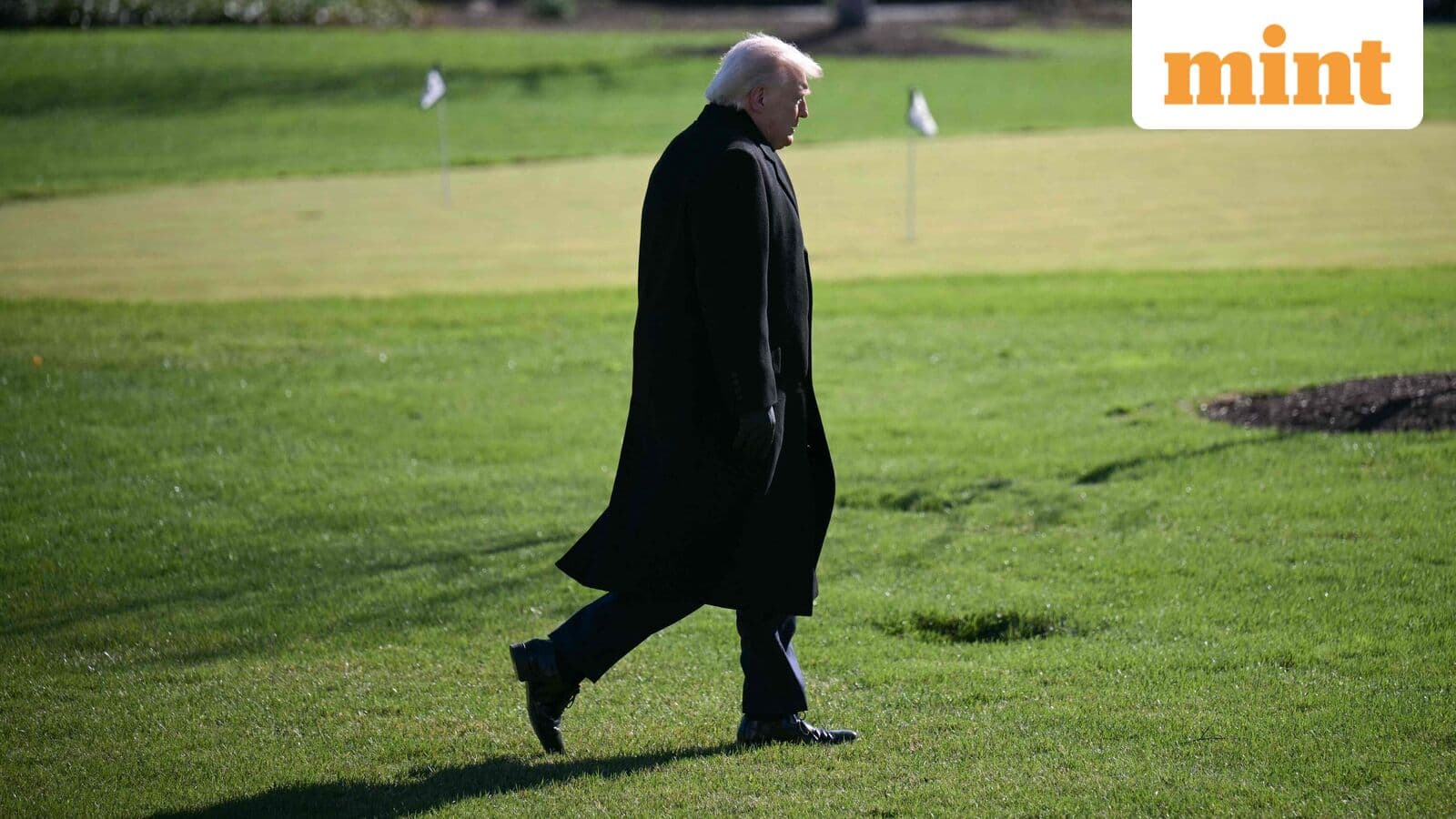
Image: Mint (Business)
As tensions rise, the Trump administration weighs deploying U.S. troops in Iran. What are the implications of this potential escalation? Click to find out.
GlipzoIn a significant turn of events, the Trump administration is reportedly contemplating the deployment of American ground troops in Iran, as tensions escalate in a conflict that has already seen over 7,800 US military strikes against Iranian targets. The discussions, as detailed in a Reuters report, indicate a shift in strategy under Operation Epic Fury, and could mark a pivotal moment in U.S.-Iran relations.
Three weeks into this military campaign, which commenced on February 28, the U.S. has engaged in an extensive air and missile offensive. The Pentagon is now weighing more aggressive options, including potential ground operations, as it seeks to control strategic waterways critical for global oil transport. Oil prices have spiked due to Iran's military threats in the Strait of Hormuz, a vital channel through which a significant portion of the world's oil supply is transported.
The implications of these military actions extend beyond immediate economic concerns; they could reshape the geopolitical landscape of the Middle East. The U.S. military's operations have targeted not only Iranian military installations but also the economic lifelines that sustain the Iranian regime.
There are a variety of strategies under consideration, including: - Securing the Strait of Hormuz: This plan involves ensuring safe passage for oil tankers through the strait, which has recently come under threat from Iranian forces. - Ground operations on Kharg Island: This island is crucial for Iran's oil exports, with 90% of the country's oil flowing through it. U.S. officials are contemplating a risky ground mission to secure this strategic asset. - Securing enriched uranium stockpiles: Discussions have also included the possibility of deploying troops to safeguard Iran’s heavily protected stockpiles of highly enriched uranium, raising significant strategic and non-proliferation concerns.
The prospect of deploying ground forces carries substantial risks, particularly in light of Iran's military capabilities, which include missile and drone technology that could threaten U.S. troops. U.S. officials have confirmed that while no final decisions have been made, the administration is considering all possible military strategies to achieve its objectives.
The challenges of securing Kharg Island are notable. The island's strategic importance cannot be understated, as controlling it could potentially cripple Iran's economy. However, military analysts caution that the operation would be fraught with danger given the island's vulnerability to Iranian counterattacks.
A White House official emphasized that no deployment of ground troops has been finalized, stating, “There has been no decision to send ground troops at this time, but President Trump wisely keeps all options at his disposal.” This statement reflects the administration's commitment to maintaining flexibility in its military strategy while pursuing the goals of Operation Epic Fury. These objectives include: - Destroying Iran’s ballistic missile capabilities - Annihilating Iran's navy - Preventing Iranian proxies from destabilizing the region - Ensuring Iran does not acquire nuclear weapons
The ongoing military operations not only highlight the U.S.'s commitment to countering Iranian influence in the region but also raise questions about the long-term consequences of such involvement. With more than 120 Iranian vessels reportedly damaged or destroyed, the military's actions reflect a robust campaign aimed at degrading Iran's capacity to project power.
As the conflict unfolds, the potential for further escalation remains high. The U.S. military's strategy appears to be evolving, with a clear indication that it is prepared to take more direct action should the situation demand it. The implications of deploying ground troops would be monumental, potentially altering the trajectory of U.S.-Iran relations and impacting global energy markets.
Looking ahead, several key factors will shape the outcome of the U.S. military's actions: - International Response: How will U.S. allies react to potential ground troop deployments? The Trump administration has expressed dissatisfaction with allies' support, which may impact future collaborations. - Iran's Reaction: Iran's capability to retaliate presents a significant risk. The U.S. must weigh its military options carefully to avoid provoking a broader conflict. - Economic Consequences: Fluctuations in oil prices and global energy security are at stake, and sustained military engagement could have long-term economic ramifications.
As the situation continues to evolve, the U.S. military's next steps will be critical in determining both the immediate and long-term outcomes of this complex conflict. The world will be watching closely as decisions are made that could reshape the strategic landscape of the Middle East.

Tensions soar as the US and Iran engage in air strikes near the Strait of Hormuz, raising concerns over global oil supply and regional stability.
BBC World
Trump's international interventions face serious stalemates. What will this mean for U.S. foreign policy? Explore the critical challenges ahead.
Indian Express
Tehran denies resignation of President Masoud Pezeshkian amid claims of IRGC influence. What does this mean for Iran's political stability? Click to learn more!
Indian Express