
Glipzo
WorldTechnologyBusinessSportsEntertainmentScienceHealthPolitics
Glipzo
WorldTechnologyBusinessSportsEntertainmentScienceHealthPolitics
  1. Home
  2. /
  3. Politics
  4. /
  5. US-Iran Tensions Escalate: Is Peace Possible Amid Conflict?
US-Iran Tensions Escalate: Is Peace Possible Amid Conflict?

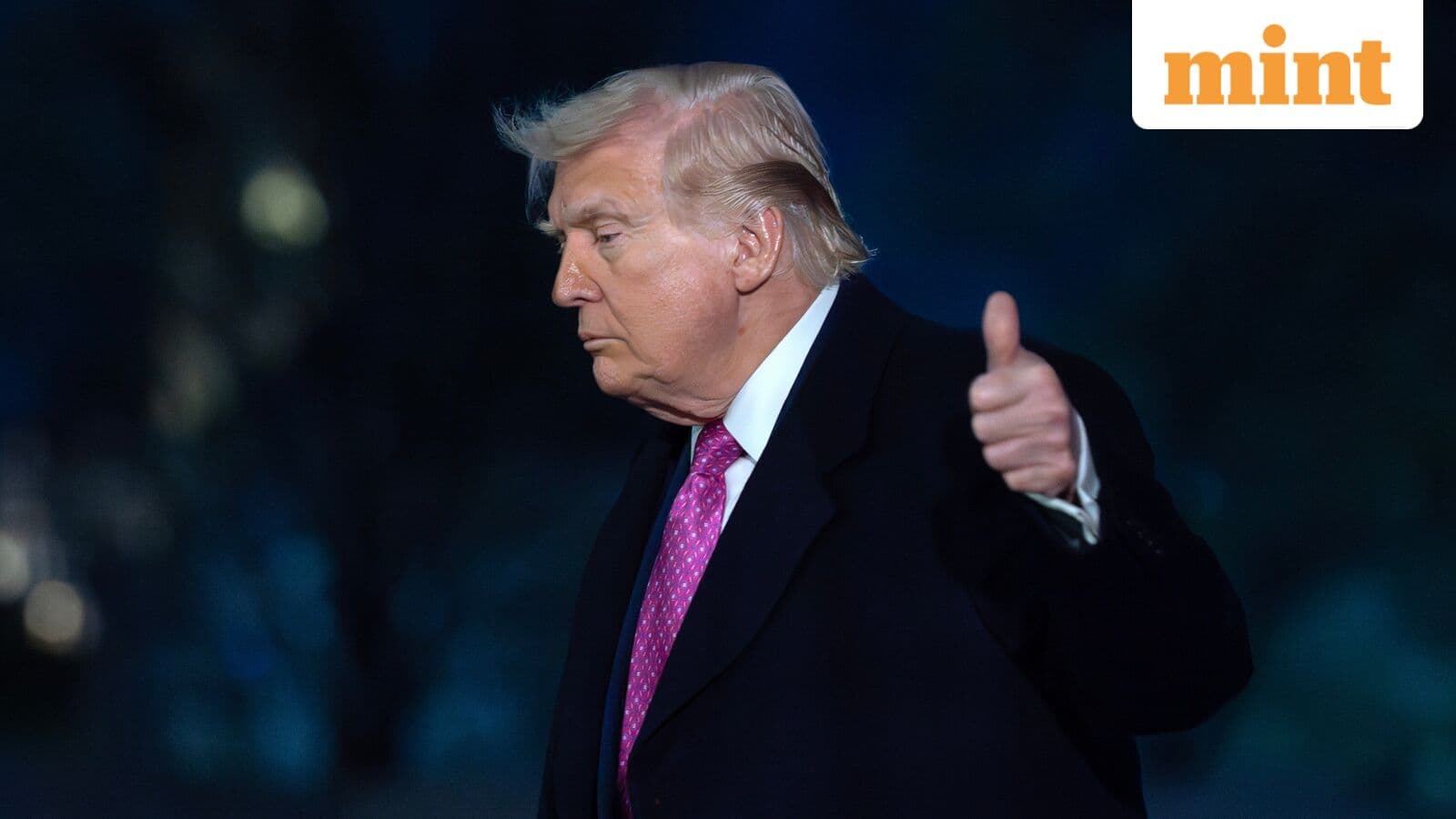
Image: Mint (Business)

Politics
Monday, March 30, 20264 min read

US-Iran Tensions Escalate: Is Peace Possible Amid Conflict?

Tensions between the US and Iran escalate as Trump claims Iran accepted terms of a ceasefire plan while military actions continue in the region.

Glipzo News Desk|Source: Mint (Business)
Share
Glipzo

Key Highlights

  • US-Iran conflict surpasses one month with rising tensions.
  • Trump claims Iran accepted most terms of a ceasefire deal.
  • Strait of Hormuz remains a critical point of contention.
  • Australia adopts fuel security measures amid global energy crisis.
  • Military buildup in the Middle East raises concerns of escalation.

In this article

  • US-Iran Conflict Enters Critical Phase The ongoing conflict between the **United States** and **Iran** has now surpassed the one-month mark, with escalating tensions and no signs of resolution. Over the weekend, the **Iran-backed Houthis** from Yemen joined forces with Tehran against Washington and Tel Aviv, raising alarms about the potential disruption of global trade routes, particularly through the **Strait of Hormuz**. As this pivotal waterway faces effective closure, the ramifications for energy markets are severe, contributing to rising oil prices.
  • Ceasefire Talks: A Step Forward or Just Rhetoric? Reports indicate that the Trump administration has proposed a **15-point ceasefire plan** to Iran, yet formal negotiations have not materialized. Communication has occurred through back channels, with **Pakistan** attempting to mediate the discussions. Yet, despite these efforts, both sides have ramped up their aggressive rhetoric.
  • Military Build-Up and Regional Implications Adding to the tension, reports suggest the **Trump administration** is considering deploying an additional **10,000 troops** to the Middle East, which would include approximately **5,000 US Marines** and members of the renowned **82nd Airborne Division**. Recently, a contingent of **3,500 Marines and soldiers** arrived in the region aboard the USS **Tripoli**, further intensifying military presence amid the ongoing hostilities.
  • The Crucial Strait of Hormuz and Global Energy Concerns The **Strait of Hormuz** remains a focal point of the conflict, with Iran allowing passage for what it deems friendly nations, including **India, Pakistan, Russia,** and **China**. Nevertheless, numerous tankers are anchored in the area, remaining wary of Iran’s threats against vessels from non-friendly countries. The continuous strikes by the US and Israel, coupled with Iranian retaliation, have left the **Middle East** on high alert, with many Gulf nations reporting interceptions and damage due to drone and missile attacks.
  • Australia Takes Action Amid Energy Crisis In response to the global energy crisis, **Australia’s cabinet** has adopted a **National Fuel Security plan**, which temporarily halves fuel excise for petrol and diesel for three months. This measure is expected to cost the Australian government approximately **A$2.55 billion**, reflecting the broader impact of rising energy costs on economies worldwide.
  • Trump's Claims of Iranian Concessions During a press briefing aboard **Air Force One**, President Trump asserted that Iran had accepted most terms outlined in the **15-point ceasefire deal** sent by the US. “They gave us most of the points. Why wouldn’t they?” he stated, although he did not disclose specific concessions made by Iran. Publicly, however, Iran has rejected Trump's ceasefire terms, countering with its own demands, including the preservation of sovereignty over the **Strait of Hormuz**.
  • Why It Matters The evolving dynamics of the US-Iran conflict have significant implications not just for the Middle East, but for global energy markets and international relations. As both sides engage in a war of words and military posturing, the potential for miscalculation remains high.
  • What to Watch For As the situation unfolds, key points to monitor include: - Potential shifts in military strategy from both the US and Iran. - Any developments in backchannel negotiations, particularly with **Pakistan** as a mediator. - Further escalation in the **Strait of Hormuz**, which could impact global oil prices. - Reactions from other nations, particularly those with vested interests in Middle Eastern stability.

US-Iran Conflict Enters Critical Phase The ongoing conflict between the **United States** and **Iran** has now surpassed the one-month mark, with escalating tensions and no signs of resolution. Over the weekend, the **Iran-backed Houthis** from Yemen joined forces with Tehran against Washington and Tel Aviv, raising alarms about the potential disruption of global trade routes, particularly through the **Strait of Hormuz**. As this pivotal waterway faces effective closure, the ramifications for energy markets are severe, contributing to rising oil prices.

As of Monday morning, the Brent crude benchmark surged to $115 per barrel, reflecting the heightened geopolitical risks. President Donald Trump recently retreated from direct military action against Iran's energy sector, citing “productive talks.” However, significant progress toward a ceasefire remains elusive, and the situation continues to deteriorate.

Ceasefire Talks: A Step Forward or Just Rhetoric? Reports indicate that the Trump administration has proposed a **15-point ceasefire plan** to Iran, yet formal negotiations have not materialized. Communication has occurred through back channels, with **Pakistan** attempting to mediate the discussions. Yet, despite these efforts, both sides have ramped up their aggressive rhetoric.

Iran’s Foreign Minister Abbas Araghchi criticized Washington for publicly promoting dialogue while allegedly preparing for a ground invasion. In contrast, Trump has publicly entertained the idea of seizing Iranian oil resources, specifically hinting at capturing Kharg Island, the country’s main crude export hub. “Maybe we take Kharg Island, maybe we don’t. We have a lot of options,” Trump remarked, though he did not elaborate on any definitive plans.

Military Build-Up and Regional Implications Adding to the tension, reports suggest the **Trump administration** is considering deploying an additional **10,000 troops** to the Middle East, which would include approximately **5,000 US Marines** and members of the renowned **82nd Airborne Division**. Recently, a contingent of **3,500 Marines and soldiers** arrived in the region aboard the USS **Tripoli**, further intensifying military presence amid the ongoing hostilities.

Interestingly, Israeli sources indicate that they may not participate in any potential ground operations against Iran. According to Channel 12, Israeli forces are unwilling to engage in direct combat should the US decide to initiate ground action, highlighting a cautious approach from Israel amidst the escalating conflict.

The Crucial Strait of Hormuz and Global Energy Concerns The **Strait of Hormuz** remains a focal point of the conflict, with Iran allowing passage for what it deems friendly nations, including **India, Pakistan, Russia,** and **China**. Nevertheless, numerous tankers are anchored in the area, remaining wary of Iran’s threats against vessels from non-friendly countries. The continuous strikes by the US and Israel, coupled with Iranian retaliation, have left the **Middle East** on high alert, with many Gulf nations reporting interceptions and damage due to drone and missile attacks.

An alarming incident occurred early Monday when Kuwaiti authorities reported an Iranian strike on a power station, resulting in the death of one Indian worker. Furthermore, Dubai experienced a series of explosions, attributed to successful interceptions by the UAE’s air defense system, underscoring the ongoing volatility in the region.

Australia Takes Action Amid Energy Crisis In response to the global energy crisis, **Australia’s cabinet** has adopted a **National Fuel Security plan**, which temporarily halves fuel excise for petrol and diesel for three months. This measure is expected to cost the Australian government approximately **A$2.55 billion**, reflecting the broader impact of rising energy costs on economies worldwide.

Trump's Claims of Iranian Concessions During a press briefing aboard **Air Force One**, President Trump asserted that Iran had accepted most terms outlined in the **15-point ceasefire deal** sent by the US. “They gave us most of the points. Why wouldn’t they?” he stated, although he did not disclose specific concessions made by Iran. Publicly, however, Iran has rejected Trump's ceasefire terms, countering with its own demands, including the preservation of sovereignty over the **Strait of Hormuz**.

Why It Matters The evolving dynamics of the US-Iran conflict have significant implications not just for the Middle East, but for global energy markets and international relations. As both sides engage in a war of words and military posturing, the potential for miscalculation remains high.

What to Watch For As the situation unfolds, key points to monitor include: - Potential shifts in military strategy from both the US and Iran. - Any developments in backchannel negotiations, particularly with **Pakistan** as a mediator. - Further escalation in the **Strait of Hormuz**, which could impact global oil prices. - Reactions from other nations, particularly those with vested interests in Middle Eastern stability.

In conclusion, the path to peace remains fraught with challenges, and the international community will be watching closely as tensions continue to escalate. The next few weeks could prove pivotal in determining whether diplomacy can prevail over conflict, or if the situation will spiral further into chaos.

Did you find this article useful? Share it!

Share

Related Articles

Shocking Allegations: Greek Police Using Migrants for Pushbacks
Politics
Apr 14, 2026

Shocking Allegations: Greek Police Using Migrants for Pushbacks

Uncovered evidence reveals Greek police allegedly recruiting migrants to push others back to Turkey, raising serious human rights concerns.

BBC World
Breaking: Eric Swalwell Resigns Amid Sexual Misconduct Claims
Politics
Apr 14, 2026

Breaking: Eric Swalwell Resigns Amid Sexual Misconduct Claims

Eric Swalwell resigns from Congress amid sexual misconduct allegations, raising questions about accountability in politics and impacting California's governor race.

BBC World
Shocking Charges: Spanish PM's Wife Begoña Gómez Accused of Corruption
Politics
Apr 14, 2026

Shocking Charges: Spanish PM's Wife Begoña Gómez Accused of Corruption

Spanish PM Pedro Sánchez's wife, Begoña Gómez, faces serious corruption charges after a two-year investigation, raising questions about political ethics.

BBC World

Categories

  • World
  • Technology
  • Business
  • Sports

More

  • Entertainment
  • Science
  • Health
  • Politics

Explore

  • Web Stories
  • About Us
  • Contact

Legal

  • Privacy Policy
  • Terms of Service

© 2026 Glipzo. All rights reserved.

