
Image: The Hindu
As tensions escalate, the U.S. considers deploying troops to Iran. What implications could this have for regional stability and global security? Read more.
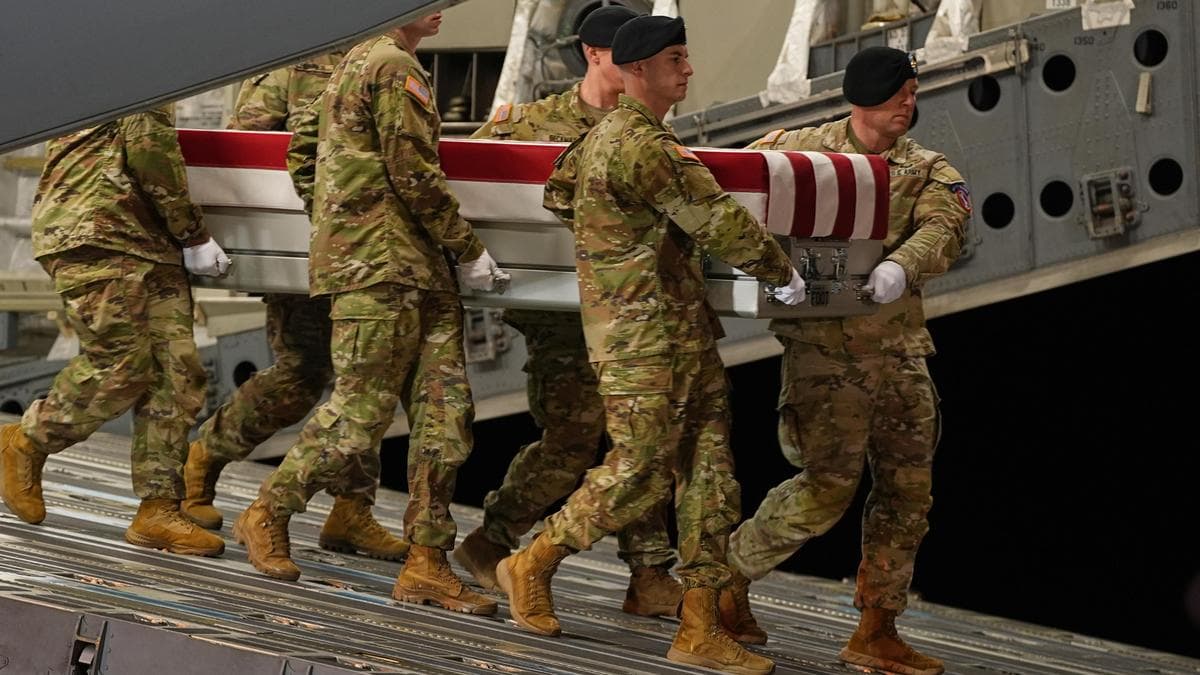
GlipzoIn a significant development regarding U.S. military strategy in the Middle East, President Donald Trump's administration is contemplating the deployment of thousands of additional troops to bolster operations in the region. This strategic move comes as the conflict involving Iran has escalated into its third week, with 13 U.S. soldiers reported dead and approximately 200 injured, primarily from minor wounds.
Officials familiar with the situation, who spoke on condition of anonymity, indicate that these troop reinforcements could provide President Trump with expanded military options. With the ongoing war against Iran, the administration is evaluating how best to secure crucial maritime routes, particularly the Strait of Hormuz, a vital passage for global oil shipments.
The potential plans for troop deployment focus significantly on ensuring safe passage for oil tankers transiting the Strait of Hormuz. Sources indicate that the mission would largely rely on air and naval forces, although it may also involve putting U.S. troops on Iranian shores. This strategic presence could deter hostile actions and provide a stronger U.S. military posture in a region fraught with tension.
In addition to safeguarding maritime routes, the Trump administration is considering sending ground forces to Kharg Island, which is pivotal for Iran's oil exports, accounting for 90% of its oil trade. However, deploying troops to this area presents considerable risks, as Iran has the capability to target the island with missiles and drones, raising concerns about potential military engagements.
The situation remains fluid, with the U.S. military having carried out over 7,800 airstrikes since the onset of the conflict on February 28. These strikes have targeted Iranian naval assets, missile facilities, and drone stockpiles, resulting in the damage or destruction of more than 120 Iranian vessels.
President Trump has articulated a broader aim beyond merely degrading Iran’s military capabilities. His administration's objectives include: - Ensuring safe passage through the Strait of Hormuz. - Preventing Iran from advancing its nuclear weapons program. - Dismantling Iran’s ballistic missile capacity. - Neutralizing their naval power.
However, the deployment of ground troops carries significant political implications. With public support for military engagement in Iran waning, President Trump faces the challenge of justifying any escalation. His administration's discussions about possible troop movements indicate a careful balancing act between military strategy and public opinion, particularly given Trump's campaign promises to avoid further entangling the U.S. in Middle Eastern conflicts.
A White House official, remaining unnamed, emphasized that while no decision has been reached regarding ground troop deployments, the president is keeping all options open. This approach reflects the administration’s commitment to achieving the defined goals of Operation Epic Fury, which aims to dismantle Iran’s military capabilities comprehensively.
Moreover, the Trump administration has deliberated on the possibility of deploying forces to secure Iran’s highly enriched uranium stocks. This task, however, is fraught with complexities and risks, even for elite military units like U.S. special operations forces. The logistics of such an operation would require meticulous planning and execution, given the potential for hostile encounters.
Experts have pointed out that while securing these uranium stockpiles could mitigate nuclear proliferation risks, the operation would likely involve high-stakes engagement with Iranian forces, raising the possibility of broader conflict.
As U.S. military operations continue to intensify, the geopolitical landscape remains precarious. The ongoing conflict could have far-reaching implications for regional stability and global oil markets. Observers are keenly watching how the Trump administration navigates this complex situation, particularly as troop deployments could trigger a more significant escalation.

Tensions soar as the US and Iran engage in air strikes near the Strait of Hormuz, raising concerns over global oil supply and regional stability.
BBC World
Trump's international interventions face serious stalemates. What will this mean for U.S. foreign policy? Explore the critical challenges ahead.
Indian Express
Tehran denies resignation of President Masoud Pezeshkian amid claims of IRGC influence. What does this mean for Iran's political stability? Click to learn more!
Indian Express