
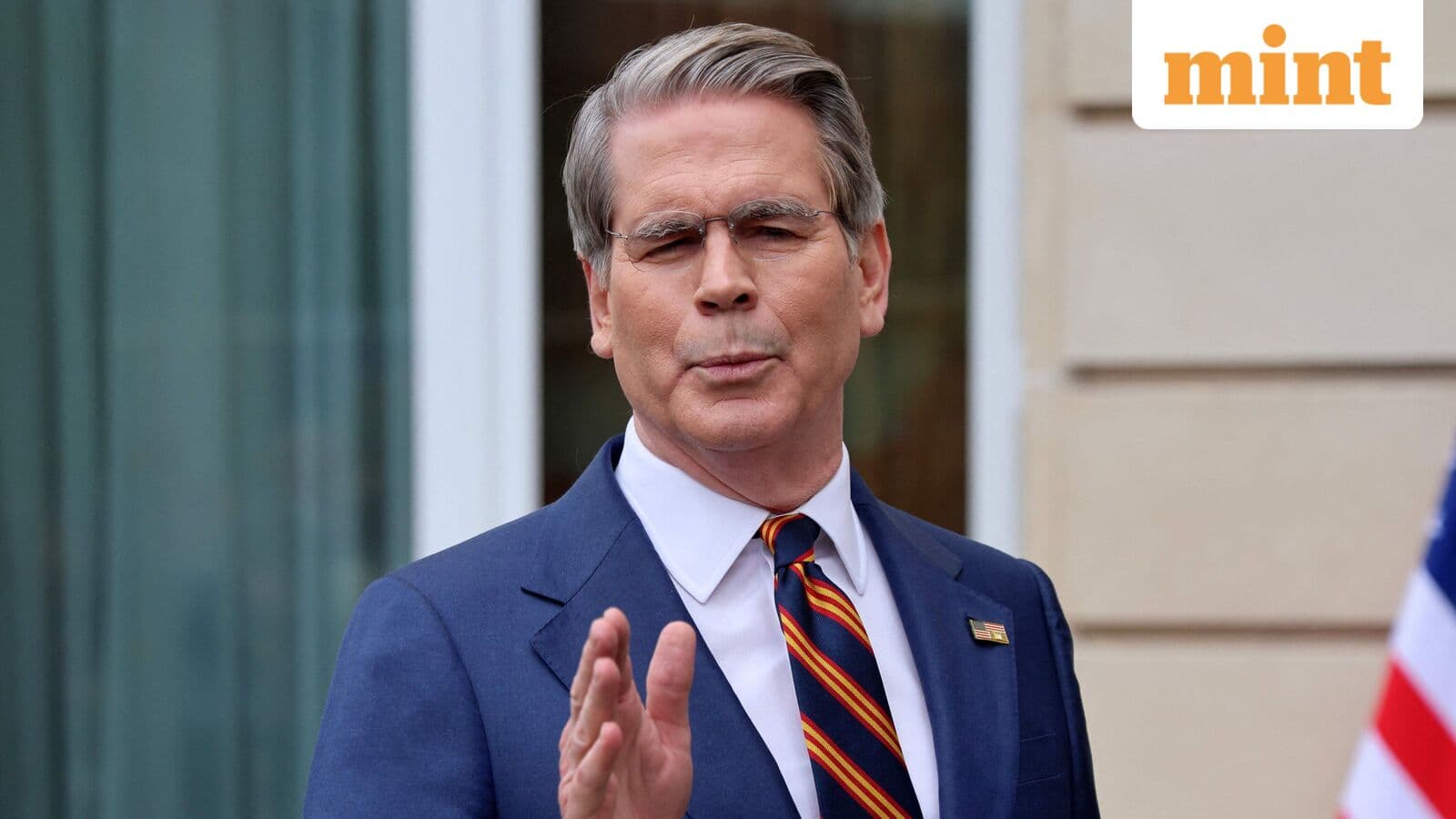
Image: Mint (Business)
Explore why the US is allowing Iranian oil tankers through the Strait of Hormuz amid rising tensions and what this means for global energy stability.
GlipzoIn a surprising move, Treasury Secretary Scott Bessent announced that the United States is permitting Iranian oil tankers to navigate the Strait of Hormuz. This strategic decision comes amidst increasing tensions in the region but aims to ensure global energy stability. According to Bessent’s remarks to CNBC, the U.S. is not only aware of the situation but is also comfortable with the current arrangements to allow Iranian vessels passage, stating that it is crucial for the world’s energy supply to remain uninterrupted.
Bessent emphasized, "The Iranian ships have been getting out already, and we’ve let that happen to supply the rest of the world.” His remarks suggest a tacit acknowledgment of Iran’s gradual re-emergence in the oil market as the U.S. administration seeks to balance geopolitical concerns with economic realities. He further noted, “We think that there will be a natural opening that the Iranians are letting out, and for now we’re fine with that. We want the world to be well supplied.”
Despite a significant naval presence from the U.S. and its allies in the area, Iran has continued its oil exports, moving approximately 1.5 million barrels per day through the narrow corridor that is critical for global oil shipments. However, recent months have seen a marked decrease in tanker movement due to Iran’s aggressive tactics against commercial vessels in the Persian Gulf. This has raised concerns about potential supply disruptions.
Bessent expressed optimism that tanker traffic would soon increase, anticipating a more robust presence of American and allied naval forces to escort merchant ships in the region. Reports indicated that tankers bound for India have successfully traversed the Strait, and some Chinese vessels have also made their way out of the Gulf, signaling a potential easing of restrictions on shipping routes.
In a related development, President Donald Trump reiterated the need for international support to secure the Strait of Hormuz. He has expressed frustration over the lack of enthusiasm from some nations to assist the U.S. in maintaining safe passage through this pivotal maritime route. Trump noted, “Some are very enthusiastic about it, and some aren't. Some are countries that we've helped for many, many years. We've protected them from horrible outside sources, and they weren't that enthusiastic.”
Trump's comments highlight the delicate balance of alliances in the region, as the U.S. calls for international cooperation in the face of Iranian aggression that includes the deployment of drones, missiles, and naval mines, further complicating the situation for oil tankers. The Strait of Hormuz typically accommodates about 20% of the world’s oil and liquefied natural gas supplies, making its security a top priority for energy-dependent nations.
Amid these geopolitical tensions, the Indian LPG carrier Shivalik successfully reached Mundra Port in Gujarat after navigating through the Strait of Hormuz. The vessel, which was transporting around 40,000 metric tonnes of liquefied petroleum gas, arrived late Monday evening, indicating that, despite the risks, commercial shipping continues.
Rajesh Kumar Sinha, Special Secretary at the Ministry of Ports, Shipping and Waterways in India, provided assurances that all necessary documentation and priority berthing arrangements were in place to facilitate the swift unloading of the cargo. Another Indian LPG carrier, the Nanda Devi, is also set to arrive at the port soon, further demonstrating the ongoing flow of trade despite the regional challenges.
The U.S. decision to allow Iranian oil tankers to pass through the Strait of Hormuz is a significant development in the ongoing geopolitical landscape. It underscores a complex interplay between maintaining energy supplies and managing Iran's aggressive posturing in the region.
This situation raises several pressing questions: - How will international relations evolve as the U.S. navigates its stance toward Iran? - What will be the consequences of continued Iranian oil exports for global markets? - How might other nations respond to the U.S.'s call for cooperation in securing the Strait?
As this story unfolds, stakeholders across the globe will be watching closely to see how these dynamics affect international oil prices and diplomatic relationships. The balance between economic necessity and geopolitical strategy remains delicate, and developments in this area could have far-reaching implications for global energy security.
In summary, the Strait of Hormuz remains a focal point of international maritime activity, and the decisions made in the coming weeks will be critical in shaping the future of energy supply and geopolitical stability in the region.

Tensions soar as the US and Iran engage in air strikes near the Strait of Hormuz, raising concerns over global oil supply and regional stability.
BBC World
Trump's international interventions face serious stalemates. What will this mean for U.S. foreign policy? Explore the critical challenges ahead.
Indian Express
Tehran denies resignation of President Masoud Pezeshkian amid claims of IRGC influence. What does this mean for Iran's political stability? Click to learn more!
Indian Express