
Image: The Hindu
Saudi Arabia's urgent meeting with Arab leaders focuses on escalating Iran tensions. Discover the implications for Gulf security and regional stability.
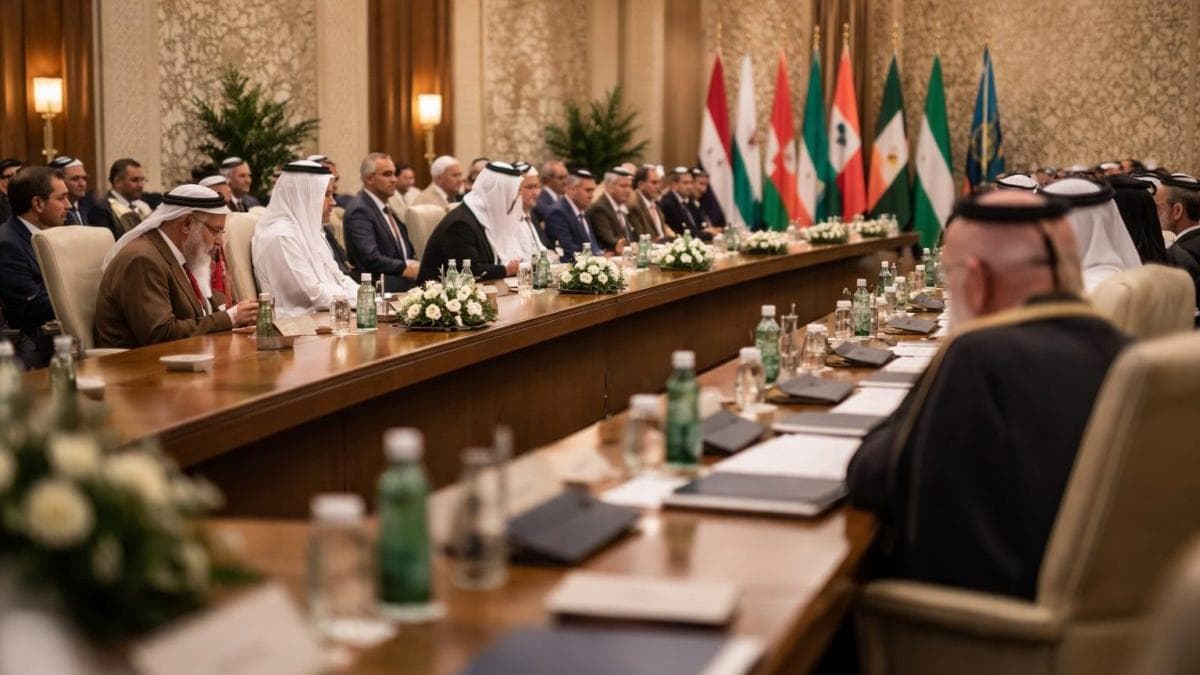
GlipzoIn a significant move, Saudi Arabia convened a vital meeting of foreign ministers from various Arab and Islamic nations in Riyadh. This urgent gathering is a direct response to the escalating conflict involving Iran, which has begun to have far-reaching implications across the Gulf region. The meeting, held on March 19, 2026, highlights the increasing concern among these nations about their collective security and stability.
As tensions rise, the urgency of dialogue and collaboration becomes more apparent. The ongoing conflict has already disrupted the delicate balance of power in the region, prompting a need for unified action. This meeting serves as a platform for discussing strategies to mitigate risks and enhance cooperation among neighboring states.
Foreign ministers from various nations attended the talks, aiming to forge a united front against the backdrop of rising hostilities. Key topics on the agenda included regional security measures, intelligence sharing, and economic impacts due to the ongoing conflict.
The Gulf region has been a hotspot for geopolitical tensions, with Iran's aggressive posturing and military engagements stirring fears among neighboring countries. The conflict has not only created unrest within Iran but has also spilled over into the surrounding areas, affecting trade routes and security alliances.
In recent months, there have been escalating incidents involving Iranian forces, leading to strained relationships with countries like Saudi Arabia, UAE, and Israel. The potential for these tensions to ignite wider conflicts is a pressing concern for the international community.
The significance of this summit cannot be understated. As regional security becomes increasingly tenuous, the need for collaboration among Arab and Islamic nations is critical. The Saudi Arabian initiative to host this meeting underscores its role as a regional leader and mediator in addressing conflicts.
Furthermore, these discussions are essential for establishing a collective response to the challenges posed by Iran's activities. The Gulf Cooperation Council (GCC) countries, in particular, recognize that a united front is vital for their national security and economic stability.
The outcomes of this meeting could potentially lead to: - Enhanced military cooperation among Gulf states. - New diplomatic efforts to engage with Iran. - A clearer strategy for countering Iranian influence in the region.
As the situation in the Gulf evolves, the international community will be keenly observing the implications of the Riyadh meeting. The diplomatic maneuvers that emerge from these discussions will be crucial in shaping future interactions with Iran.
Key factors to monitor include: - Future Summits: Will there be more frequent meetings among Arab nations to solidify their strategies? - Military Alliances: Are there plans for joint military exercises or defense pacts that may emerge? - Economic Impacts: How will the ongoing conflict affect oil prices and trade routes in the Gulf? - Global Reactions: What stance will major powers like the United States, Russia, and China take in response to these developments?
As the threat from Iran continues to loom, the need for a cohesive response will be more critical than ever. The outcome of the talks in Riyadh may set the tone for regional security strategies in the coming years. The collective efforts of these nations could play a pivotal role in shaping the future landscape of the Gulf, making it imperative for all stakeholders to remain engaged and proactive in their approach to this escalating crisis.
In conclusion, while the situation remains fluid, the commitment shown by Saudi Arabia and its allies to address these pressing issues is a sign of hope for a more stable future in the region. The next steps taken in the aftermath of this meeting will be crucial as nations navigate the complexities of geopolitics in a time of heightened tension.

Tensions soar as the US and Iran engage in air strikes near the Strait of Hormuz, raising concerns over global oil supply and regional stability.
BBC World
Trump's international interventions face serious stalemates. What will this mean for U.S. foreign policy? Explore the critical challenges ahead.
Indian Express
Tehran denies resignation of President Masoud Pezeshkian amid claims of IRGC influence. What does this mean for Iran's political stability? Click to learn more!
Indian Express