
Image: Indian Express
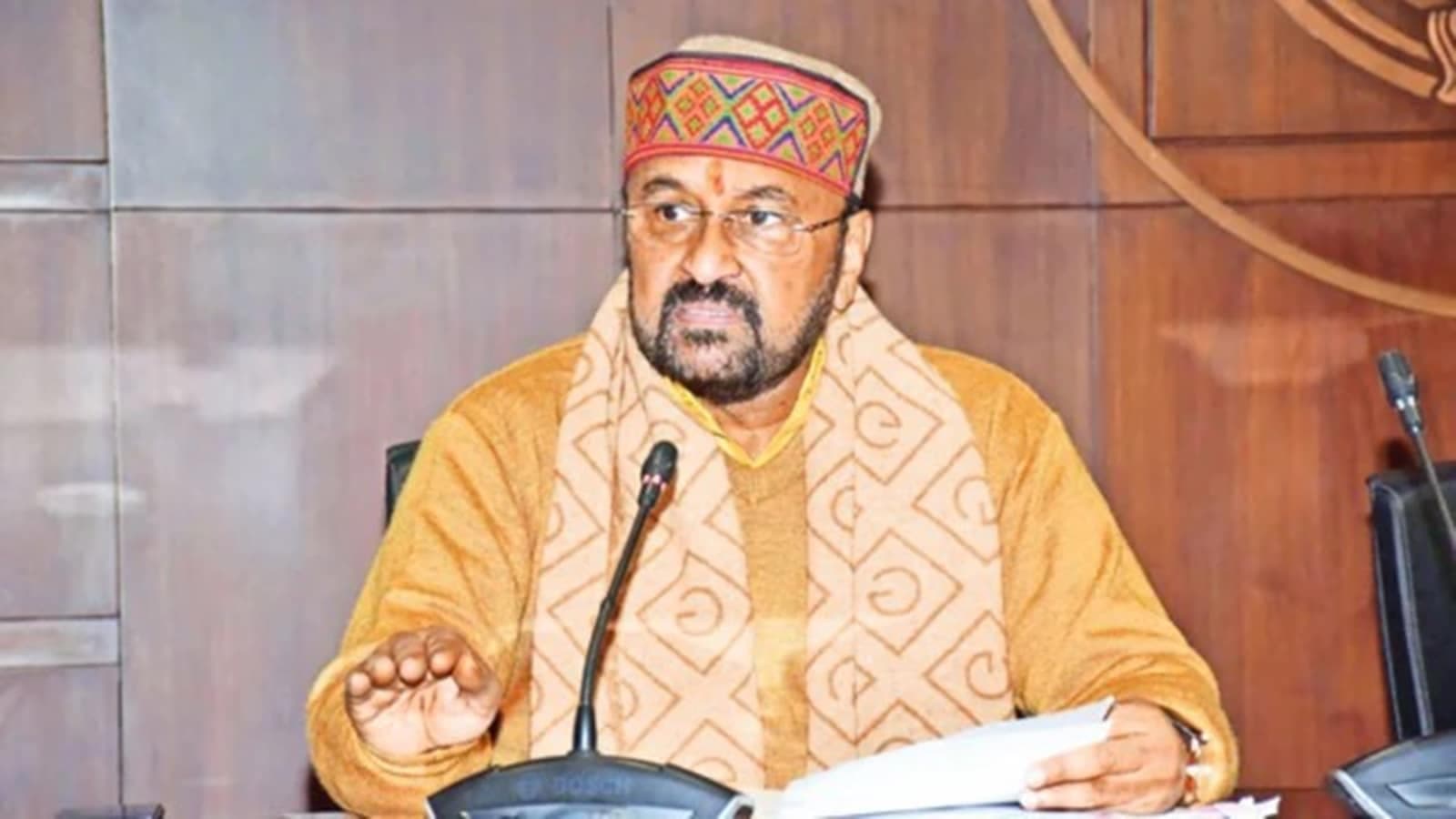
Uttar Pradesh Minister Yogendra Upadhyay claims popular nursery rhymes promote dishonesty, igniting debate on cultural values in children's education.
GlipzoIn a surprising turn of events, Yogendra Upadhyay, the Uttar Pradesh Minister for Higher Education and Science and Technology, has ignited a fierce debate regarding the cultural implications of popular nursery rhymes. During a recent event in Agra, he asserted that the well-known English rhymes, ‘Johnny Johnny Yes Papa’ and ‘Rain Rain Go Away’, promote dishonesty and contradict Indian cultural values.
The minister's remarks were made in front of a gathering of Shiksha Mitras, ad hoc teachers employed in government primary schools. Upadhyay emphasized the need for educational content to align with Indian cultural principles, prompting many to question the appropriateness of these nursery rhymes in the context of children's education.
At a follow-up event in Lucknow, Upadhyay elaborated on his criticisms. He pointedly examined the lyrics of ‘Johnny Johnny Yes Papa’, stating, “What does this rhyme teach us? Eating sugar and telling lies—this is not acceptable. This rhyme subtly encourages dishonesty, which no one seems to consider.” His assertions reflect a growing concern among some educators and parents regarding the messages conveyed through children's literature.
The minister didn't stop there; he also critiqued ‘Rain Rain Go Away’, arguing that it promotes a selfish mentality. Upadhyay remarked, “Our culture emphasizes ‘Sarvajan Hitay, Sarvajan Sukhay’ (for the welfare and happiness of all), while this rhyme suggests ‘Swantah Sukhay’ (self-happiness). This is not in line with our values.” His comments highlight a clash between traditional cultural beliefs and modern educational content.
Upadhyay’s statements raise critical questions about the role of education in shaping cultural identity. He expressed his belief that education should teach children the values of honesty, integrity, and community well-being. “We must ensure that we do not accidentally impart lessons that could cultivate the wrong culture among children,” he stated, emphasizing the importance of careful selection of educational materials.
His remarks have sparked reactions across the political spectrum, with some supporting his views while others criticize him for overstepping his bounds. The minister is determined to continue his campaign against these nursery rhymes, stating, “I will keep speaking about this intentionally, everywhere.”
Political opponents have not shied away from responding to Upadhyay's statements. Akhilesh Yadav, the leader of the Samajwadi Party, commented on the issue, suggesting that the minister’s concerns might be misguided. This exchange has ignited further discussions about the intersection of politics and education in Uttar Pradesh, a state that has long grappled with the challenges of modernizing its educational framework while respecting traditional values.
Upadhyay's firm stance highlights a broader trend of scrutinizing cultural content in education, especially in light of India's diverse and rich heritage. This conversation is essential, as it invites a re-evaluation of how educational materials are chosen and the potential impact on young minds.
The implications of Upadhyay's criticism extend beyond nursery rhymes; they touch upon foundational questions regarding education, culture, and morality in India. As the country navigates the complexities of modernity and tradition, discussions like these become pivotal in shaping future generations. The choice of educational content reflects societal values and can influence children's perceptions of honesty, community, and self-interest.
As the discourse around these nursery rhymes continues, educators, parents, and policymakers must consider the broader cultural messages conveyed in children's literature. Will there be a move towards revising educational materials to align with traditional Indian values? Time will tell as this debate unfolds.
As the conversation around nursery rhymes and their cultural implications gains momentum, it will be interesting to see how educational authorities respond. Will there be a review of nursery rhymes and children's literature used in schools? Will other ministers and educators echo Upadhyay's sentiments, leading to a larger cultural shift in the educational landscape?
As discussions evolve, stakeholders in the education sector must balance tradition with modernity, ensuring that children receive a well-rounded education that respects cultural heritage while preparing them for a global future. The coming months will be crucial in determining how nursery rhymes and similar content will be treated in schools across Uttar Pradesh and beyond.

Tensions soar as the US and Iran engage in air strikes near the Strait of Hormuz, raising concerns over global oil supply and regional stability.
BBC World
Trump's international interventions face serious stalemates. What will this mean for U.S. foreign policy? Explore the critical challenges ahead.
Indian Express
Tehran denies resignation of President Masoud Pezeshkian amid claims of IRGC influence. What does this mean for Iran's political stability? Click to learn more!
Indian Express