Glipzo
WorldTechnologyBusinessSportsEntertainmentScienceHealthPolitics
Glipzo
WorldTechnologyBusinessSportsEntertainmentScienceHealthPolitics
  1. Home
  2. /
  3. Politics
  4. /
  5. Unveiling Garga Chatterjee: Teacher, Neuroscientist, Activist
Unveiling Garga Chatterjee: Teacher, Neuroscientist, Activist

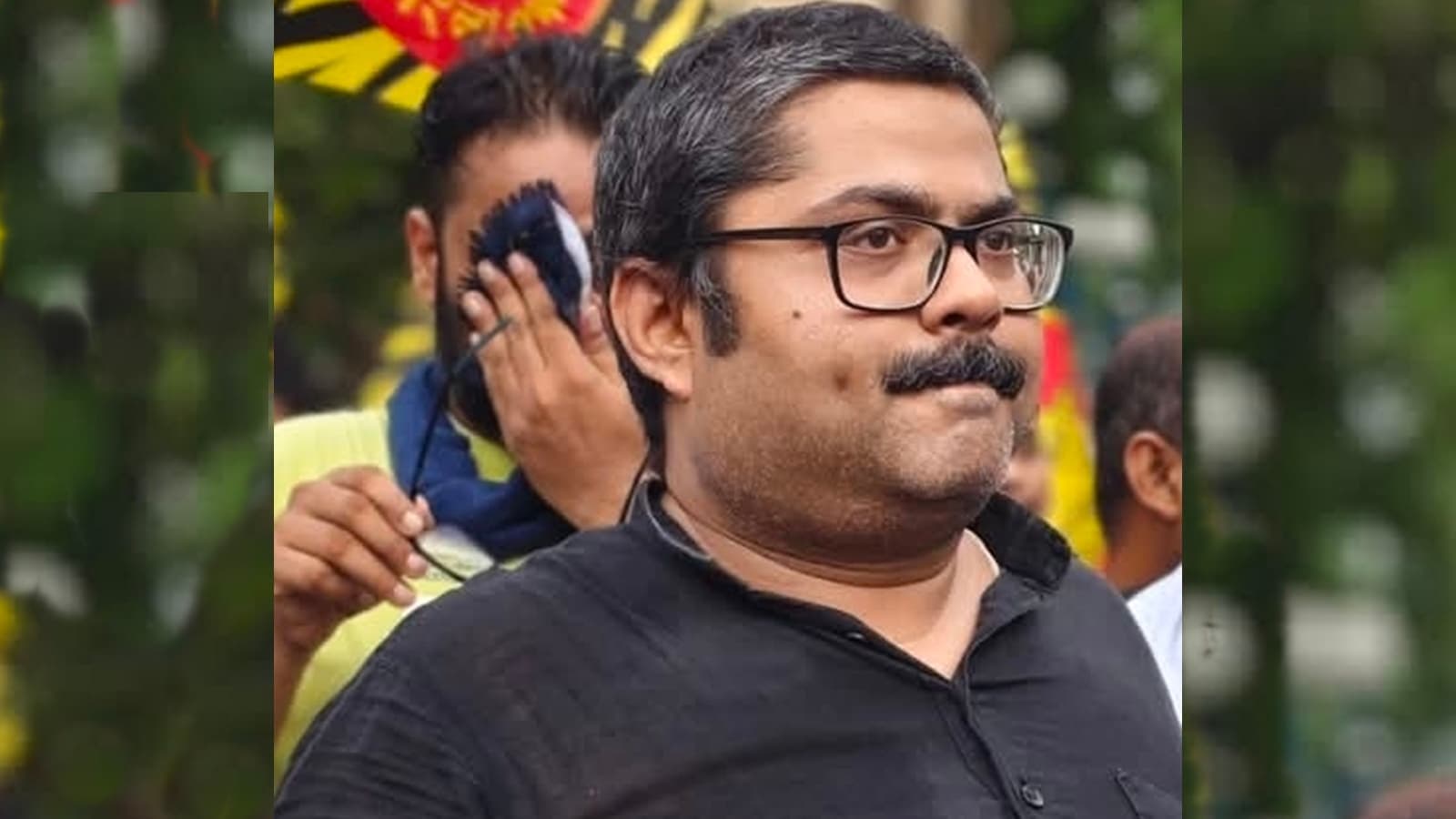
Image: Indian Express

Politics
Friday, May 15, 20264 min read

Unveiling Garga Chatterjee: Teacher, Neuroscientist, Activist

Discover Garga Chatterjee's controversial role in Bengali politics and his recent arrest. What does this mean for identity politics in West Bengal?

Glipzo News Desk|Source: Indian Express
Share
Glipzo

Key Highlights

  • Garga Chatterjee arrested for EVM misinformation ahead of elections.
  • Bangla Pokkho advocates for Bengali rights and language prioritization.
  • Chatterjee's academic background includes Harvard and MIT.
  • Controversies surround his activism, linking identity and politics.
  • The future of Bengali identity politics is at a crucial juncture.

In this article

  • Who is Garga Chatterjee? Garga Chatterjee, a prominent figure in **West Bengal's socio-political landscape**, has made headlines recently due to his controversial arrest. A co-founder of the **Bangla Pokkho** organization and an academic at the **Indian Statistical Institute** in Kolkata, Chatterjee's multifaceted career spans teaching, research in neuroscience, and activism. His arrest on May 16, following allegations of spreading misinformation about electronic voting machines (EVMs) during the recent Assembly elections, has sparked discussions on the intersection of politics, identity, and technology in the region.
  • The Rise of Bengali Identity Politics Over the last decade, **Bengali identity politics** has emerged as a significant force in West Bengal, particularly in response to the growing influence of the **BJP** and **Hindutva politics**. The ruling **Trinamool Congress (TMC)** has also tapped into this sentiment, promoting slogans centered around “**Bengali asmita**” or pride. However, it is the lesser-known Bangla Pokkho that has taken a more aggressive stance on issues of cultural pride and the protection of the Bengali language, often exhibiting a contentious approach towards non-Bengali communities.
  • Arrest and Controversy Surrounding EVM Claims Chatterjee's recent legal troubles began when he raised concerns about alleged **EVM tampering** on social media, accusing the **Election Commission (EC)** of orchestrating a “secret plan” during the elections. His posts were flagged by Kolkata Police, leading to his arrest after he failed to respond to summoning notices. **Ajay Nand**, the Kolkata Police Commissioner, emphasized that Chatterjee's statements had fueled confusion among political parties.
  • Academic Background and Career Chatterjee's academic credentials are impressive, with an **MBBS degree** from **Kolkata Medical College** and a **PhD** from **Harvard University** focusing on cognition, brain, and behavior. His postdoctoral research took place at the prestigious **Massachusetts Institute of Technology (MIT)**, and he has also lectured at **Lesley University** in Massachusetts. Since **2014**, he has been a respected faculty member at the Indian Statistical Institute, contributing to the field of neuroscience.
  • Bangla Pokkho: Advocacy for Bengali Rights Founded in **2019**, Bangla Pokkho has emerged as a vocal advocate for Bengali rights, often prioritizing the interests of Bengali speakers over others. The organization has called for **Bengali signboards** in shops and has made demands for greater representation of Bengalis in senior administrative roles within the state. Their efforts reached a peak recently when they submitted a memorandum to the then **Labour Minister** Moloy Ghatak, advocating for the protection of migrant Bengali workers.
  • Why It Matters: The Intersection of Politics and Identity Chatterjee's arrest and the activities of Bangla Pokkho exemplify the growing complexity of identity politics in West Bengal. As the BJP continues to gain strength, the TMC and groups like Bangla Pokkho are likely to intensify their efforts to consolidate support around **Bengali pride** and cultural identity. This raises critical questions about the future of communal relations, political discourse, and the role of technology in shaping democratic processes.
  • Looking Ahead: Potential Impacts on West Bengal Politics As West Bengal navigates its political future, the ongoing developments surrounding Garga Chatterjee and Bangla Pokkho will be crucial to watch. With the **2024 elections** on the horizon, the interplay between identity politics and broader electoral strategies will likely become even more pronounced. What happens next in Chatterjee's legal battles and Bangla Pokkho's campaigns may not only influence local dynamics but also set the stage for a broader national conversation about identity, rights, and the role of technology in politics.

Who is Garga Chatterjee? Garga Chatterjee, a prominent figure in **West Bengal's socio-political landscape**, has made headlines recently due to his controversial arrest. A co-founder of the **Bangla Pokkho** organization and an academic at the **Indian Statistical Institute** in Kolkata, Chatterjee's multifaceted career spans teaching, research in neuroscience, and activism. His arrest on May 16, following allegations of spreading misinformation about electronic voting machines (EVMs) during the recent Assembly elections, has sparked discussions on the intersection of politics, identity, and technology in the region.

The Rise of Bengali Identity Politics Over the last decade, **Bengali identity politics** has emerged as a significant force in West Bengal, particularly in response to the growing influence of the **BJP** and **Hindutva politics**. The ruling **Trinamool Congress (TMC)** has also tapped into this sentiment, promoting slogans centered around “**Bengali asmita**” or pride. However, it is the lesser-known Bangla Pokkho that has taken a more aggressive stance on issues of cultural pride and the protection of the Bengali language, often exhibiting a contentious approach towards non-Bengali communities.

Chatterjee's organization has been vocal in advocating for the rights of Bengali speakers and has launched campaigns aimed at prioritizing the Bengali language in education and government. Their demands include: - Mandatory use of Bengali in all governmental communications. - Compulsory Bengali language education in schools. - Preference for Bengali youths in job opportunities, similar to initiatives in states like Andhra Pradesh and Jharkhand.

Arrest and Controversy Surrounding EVM Claims Chatterjee's recent legal troubles began when he raised concerns about alleged **EVM tampering** on social media, accusing the **Election Commission (EC)** of orchestrating a “secret plan” during the elections. His posts were flagged by Kolkata Police, leading to his arrest after he failed to respond to summoning notices. **Ajay Nand**, the Kolkata Police Commissioner, emphasized that Chatterjee's statements had fueled confusion among political parties.

This incident is just one of several controversies that have surrounded Chatterjee. In August 2022, he faced arrest for allegedly inciting communal tensions through derogatory comments about historical figures from the Ahom dynasty, highlighting his contentious relationship with various communities in the region.

Academic Background and Career Chatterjee's academic credentials are impressive, with an **MBBS degree** from **Kolkata Medical College** and a **PhD** from **Harvard University** focusing on cognition, brain, and behavior. His postdoctoral research took place at the prestigious **Massachusetts Institute of Technology (MIT)**, and he has also lectured at **Lesley University** in Massachusetts. Since **2014**, he has been a respected faculty member at the Indian Statistical Institute, contributing to the field of neuroscience.

Despite his academic achievements, his activism through Bangla Pokkho has often put him at the center of controversy, particularly concerning his views on Bengali nationalism and identity.

Bangla Pokkho: Advocacy for Bengali Rights Founded in **2019**, Bangla Pokkho has emerged as a vocal advocate for Bengali rights, often prioritizing the interests of Bengali speakers over others. The organization has called for **Bengali signboards** in shops and has made demands for greater representation of Bengalis in senior administrative roles within the state. Their efforts reached a peak recently when they submitted a memorandum to the then **Labour Minister** Moloy Ghatak, advocating for the protection of migrant Bengali workers.

Notably, after the tragic R G Kar rape-murder case, Bangla Pokkho intensified its activism, alleging that the perpetrator was from another state, thereby linking crime to non-Bengali residents. This incident exemplified their approach of intertwining crime, identity, and regional politics.

Why It Matters: The Intersection of Politics and Identity Chatterjee's arrest and the activities of Bangla Pokkho exemplify the growing complexity of identity politics in West Bengal. As the BJP continues to gain strength, the TMC and groups like Bangla Pokkho are likely to intensify their efforts to consolidate support around **Bengali pride** and cultural identity. This raises critical questions about the future of communal relations, political discourse, and the role of technology in shaping democratic processes.

Looking Ahead: Potential Impacts on West Bengal Politics As West Bengal navigates its political future, the ongoing developments surrounding Garga Chatterjee and Bangla Pokkho will be crucial to watch. With the **2024 elections** on the horizon, the interplay between identity politics and broader electoral strategies will likely become even more pronounced. What happens next in Chatterjee's legal battles and Bangla Pokkho's campaigns may not only influence local dynamics but also set the stage for a broader national conversation about identity, rights, and the role of technology in politics.

In summary, Garga Chatterjee represents a complex intersection of academia, activism, and political controversy. His situation highlights the ongoing struggle for Bengali identity and the challenges that arise when political sentiments clash with technological advancements and democratic integrity.

Did you find this article useful? Share it!

Share

Related Articles

Critical Air Strikes Erupt Between US and Iran in Gulf Region
Politics
Jun 1, 2026

Critical Air Strikes Erupt Between US and Iran in Gulf Region

Tensions soar as the US and Iran engage in air strikes near the Strait of Hormuz, raising concerns over global oil supply and regional stability.

BBC World
Trump Faces Stalemate in International Military Strategy
Politics
Jun 1, 2026

Trump Faces Stalemate in International Military Strategy

Trump's international interventions face serious stalemates. What will this mean for U.S. foreign policy? Explore the critical challenges ahead.

Indian Express
Tehran Denies Rumors of President Pezeshkian’s Resignation
Politics
Jun 1, 2026

Tehran Denies Rumors of President Pezeshkian’s Resignation

Tehran denies resignation of President Masoud Pezeshkian amid claims of IRGC influence. What does this mean for Iran's political stability? Click to learn more!

Indian Express

Categories

  • World
  • Technology
  • Business
  • Sports

More

  • Entertainment
  • Science
  • Health
  • Politics

Explore

  • Web Stories
  • About Us
  • Contact

Legal

  • Privacy Policy
  • Terms of Service
  • Disclaimer

© 2026 Glipzo. All rights reserved.


