
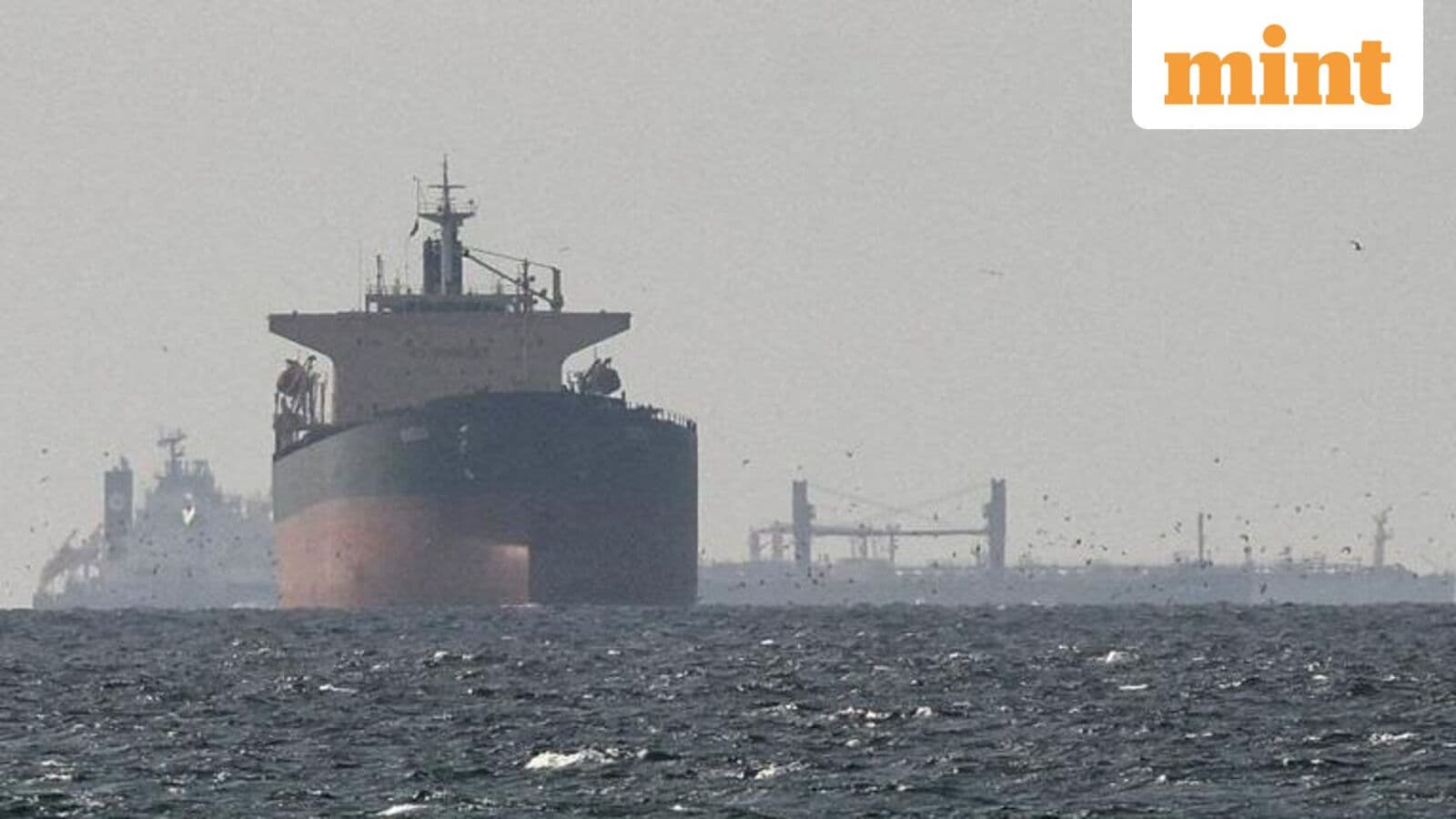
Image: Mint (Business)
The UN Security Council has postponed a crucial vote on maritime security in the Strait of Hormuz, originally scheduled for Good Friday. Discover why this matters.
GlipzoIn a surprising turn of events, the UN Security Council has decided to postpone a significant vote that was slated for Friday regarding the authorization of defensive military action to protect shipping lanes in the Strait of Hormuz. This decision comes at a critical time when tensions are escalating in West Asia, particularly concerning maritime safety and energy trade disruptions.
Originally, the council was set to convene on Friday morning to discuss a draft resolution introduced by Bahrain, which currently holds the rotating presidency of the council. However, sources have reported that the vote has been deferred due to the observance of Good Friday, a public holiday recognized by the United Nations, despite the date being known when the vote was initially planned.
While there has been no new date announced for the voting process, it is anticipated that the vote will now take place on Saturday. The proposal for this critical vote was brought forth amidst rising maritime security concerns, which have severely impacted energy trade routes due to the near-blockade of the Strait of Hormuz. This strait is vital for global energy transport, and any disruption here could have far-reaching implications for economies worldwide.
Bahrain, facing increasing pressures from Iran amid ongoing conflicts, has been vocal about the need for an international response to safeguard global navigation routes. Abdullatif bin Rashid Al Zayani, Bahrain’s Foreign Minister, emphasized the urgency during the UNSC meeting on Thursday, stating, “The Kingdom of Bahrain submitted a draft resolution to your esteemed council on Iran's unlawful and unjustified attempt to control international navigation in the Strait of Hormuz.” He called for a decisive response to what he described as irresponsible actions threatening the global community’s interests.
The initial draft resolution proposed by Bahrain sought to empower countries with the authority to use “all necessary means,” including military force, to ensure safe passage through the Strait of Hormuz and neighboring waters. However, this proposal encountered resistance from several veto-wielding members of the Security Council, including Russia, China, and France, who expressed concerns about authorizing any form of offensive military action.
In light of these objections, the final version of the draft resolution has been revised significantly. It now focuses on permitting countries to utilize “all defensive means necessary and commensurate with the circumstances” in the Strait of Hormuz and adjacent waters. This approach is intended to secure safe passage and deter any attempts to interfere with international navigation over a period of at least six months.
The Strait of Hormuz is often described as one of the world's most crucial maritime chokepoints. Approximately 20% of the world’s oil supply transits through this narrow passage, making its security a matter of global interest. The ongoing tensions between Iran and neighboring countries have raised alarms about potential disruptions that could lead to significant increases in global oil prices and economic instability.
The postponement of this vote reflects the complexities involved in addressing international security concerns while balancing the interests of powerful member states within the UN Security Council. The shift in timing could also affect diplomatic negotiations in the region, as stakeholders reassess their positions and strategies.
As the situation evolves, there are several key factors to monitor: - New Voting Date: The anticipated vote on Saturday could reshape international maritime security protocols and responses to Iranian actions. - Reactions from Iran: Following the eventual vote, it will be crucial to observe how Iran responds, especially given its previous threats regarding control over the Strait of Hormuz. - Global Oil Markets: Any decisions made by the Security Council may influence oil prices and global market stability, particularly if tensions escalate further.
The outcome of this vote could set a precedent for how the international community addresses maritime threats in critical regions, underscoring the importance of diplomacy and cooperation in maintaining global security.
Stay informed as this situation develops, and understand the implications it has not only for the immediate region but for the global economy as well.

Survivors of the Laos cave rescue are aiding efforts to find the last two missing men trapped inside, sharing crucial insights for the search operation.
BBC World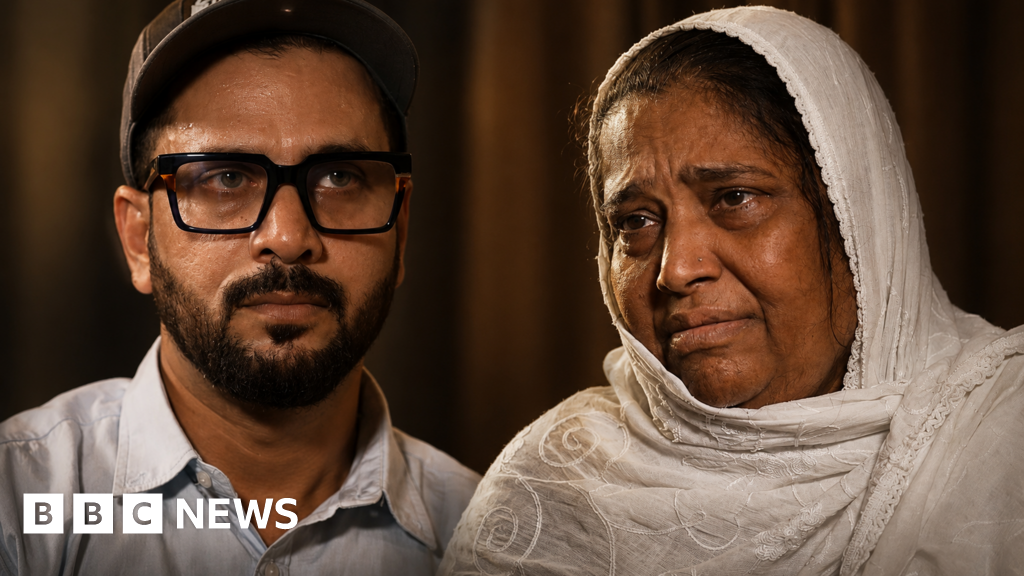
A year after the tragic Air India crash, the Ali family reflects on grief, unanswered questions, and the enduring bonds of love in the face of loss.
BBC Business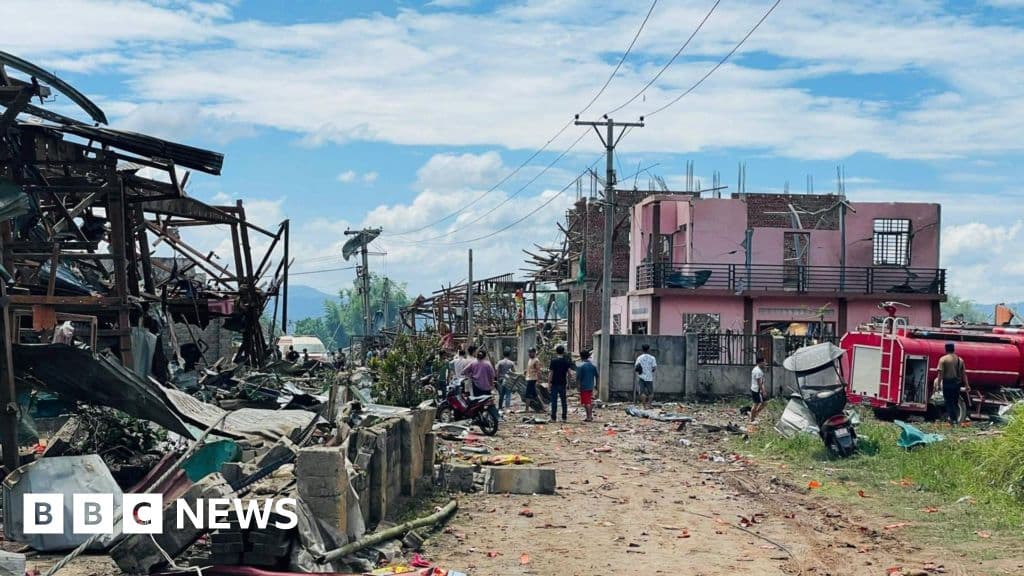
A devastating explosion in Myanmar's Kaung Tat village has killed at least 55 people, raising serious safety concerns and questions about civilian protection in conflict zones.
BBC World