
Image: BBC World
Ukraine's Zelensky accuses Israel of accepting stolen grain, escalating a diplomatic conflict. What will be the impact on their relations? Read more.
GlipzoIn a significant international dispute, Ukrainian President Volodymyr Zelensky has accused Israel of facilitating shipments of grain that he claims have been illegally taken from Russian-occupied Ukrainian territory. This accusation follows reports that a vessel, suspected of carrying grain 'stolen by Russia,' has recently docked at an Israeli port, igniting a diplomatic firestorm between the two nations.
Zelensky voiced his concerns, emphasizing that Israeli authorities "cannot be unaware" of the contents of the incoming shipments. He asserted that Israel's inaction in preventing these grain imports could severely damage diplomatic relations between the two countries. The conflict highlights the fragile balance of international relations amidst ongoing war and territorial disputes.
In reaction to Zelensky's statements, Gideon Saar, Israel's Foreign Minister, dismissed the notion of what he termed “Twitter diplomacy,” stating that Ukraine has not provided substantial evidence to support its claims. Saar’s comments came after reports from the Israeli newspaper Haaretz, which indicated that four vessels loaded with grain from occupied Ukraine had already been unloaded at Israeli ports this year.
The tensions escalated further when Ukrainian Foreign Minister Andrii Sybiha announced on the social media platform X that he had summoned the Israeli ambassador in Kyiv to express his government’s discontent over Israel's perceived inaction. Sybiha warned that accepting stolen grain would harm the two countries' diplomatic ties.
Zelensky, in a statement released on Tuesday, reinforced his position, stating that such activities violate the laws of Israel itself. He indicated that Ukraine has utilized all necessary diplomatic channels to prevent these incidents but noted with disappointment that another vessel has arrived without being stopped.
The situation is particularly urgent for Ukraine, which is preparing to implement a sanctions package in collaboration with European nations to target entities involved in transporting and profiting from the alleged stolen grain. The Ukrainian foreign ministry highlighted specific instances, such as the Russian-flagged bulk carrier Abinsk, which was reportedly unloaded at an Israeli port in mid-April, despite Ukraine's official requests for its detention.
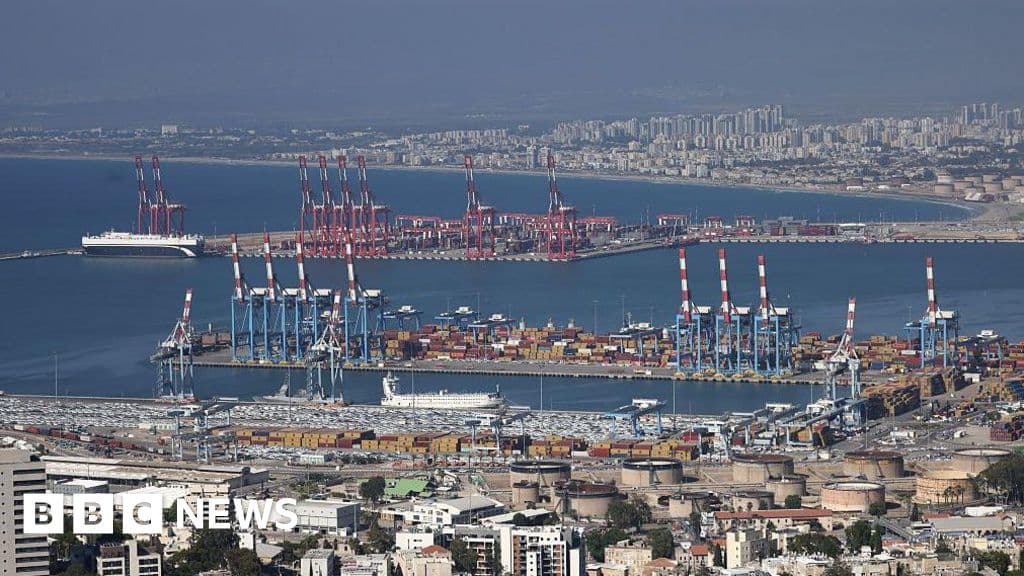
In response to the Ukrainian claims, Saar explained that the vessel in question had not yet entered Haifa port and had not submitted the necessary documentation. This lack of documentation complicates the verification process of the cargo’s legitimacy. Saar reiterated that the Ukrainian government should provide concrete evidence through appropriate legal channels, rather than through social media.
The diplomatic spat raises broader concerns about international law, sovereignty, and the ongoing conflict in Ukraine. Observers note that Ukraine's allegations against Israel, a traditionally supportive ally, could shift dynamics in the region and impact future negotiations surrounding the ongoing conflict with Russia.
The European Union has also taken note of the situation, with a representative stating that the bloc is monitoring reports concerning vessels allegedly involved in transporting stolen Ukrainian grain. This international scrutiny underscores the importance of the issue at hand, not just for Ukraine and Israel, but for global grain markets and geopolitical stability.
As the situation develops, the potential for increased sanctions from Ukraine, alongside Israel's obligations to maintain legal and diplomatic integrity, will be crucial. Both nations will need to navigate these accusations carefully to avoid further escalating tensions.
The fallout from this diplomatic incident will likely have significant implications for both Ukraine and Israel. Key questions remain: Will Israel take concrete steps to investigate these claims? How will Ukraine respond if evidence of complicity emerges? The coming weeks will be critical in determining whether diplomatic relations can be salvaged or whether this dispute will lead to a lasting rift.
The international community will be watching closely as both countries work through this complex situation. The interplay of diplomatic relations, trade agreements, and international law will be pivotal in shaping the future of Ukraine-Israel relations amidst the backdrop of the ongoing war in Ukraine.

Tensions soar as the US and Iran engage in air strikes near the Strait of Hormuz, raising concerns over global oil supply and regional stability.
BBC World
Trump's international interventions face serious stalemates. What will this mean for U.S. foreign policy? Explore the critical challenges ahead.
Indian Express
Tehran denies resignation of President Masoud Pezeshkian amid claims of IRGC influence. What does this mean for Iran's political stability? Click to learn more!
Indian Express