
Image: BBC Business
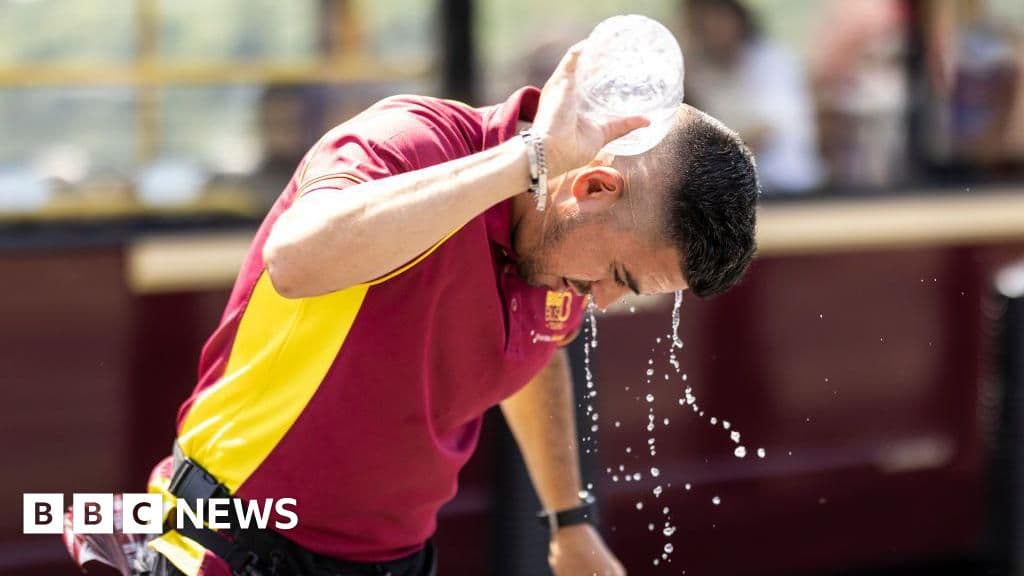
The UK faces urgent calls to establish maximum working temperature rules to combat intensifying heatwaves and protect public health, says the CCC.
GlipzoAs climate change worsens, the UK faces a pressing need to establish maximum temperature regulations for workplaces, according to the Climate Change Committee (CCC). This bold suggestion comes as the nation grapples with increasingly severe heatwaves, which threaten not only the safety of workers but also the very fabric of British life—from beloved sports events to vibrant music festivals. The CCC emphasizes that addressing these growing challenges should be a top priority for the government.
Baroness Brown, chair of the CCC's Adaptation Committee, expressed her concerns regarding the government's inadequacy in tackling the escalating threats posed by climate change. "We need to recognize that there are aspects of our British way of life which are now really under threat from climate," she stated.
The CCC has warned that the UK is unprepared for the climate it now faces, as evidenced by last year being the warmest on record. With drought and low water levels affecting significant regions, the impact of climate change is undeniable. Following a particularly wet winter in 2023-24 that led to substantial flooding, the CCC highlights the urgent need for measures to combat extreme weather events.
The committee points out that the world has already experienced a 1.4°C rise in temperatures compared to pre-industrial levels—a concerning trend driven largely by fossil fuel consumption. With global goals to limit warming to below 2°C increasingly out of reach, the CCC underscores the necessity of adapting to the inevitable consequences of climate change.
The CCC emphasizes two primary climate threats facing the UK: - Winter Flooding: With peak river flows potentially increasing by up to 45% during heavy rain by mid-century. - Summer Droughts: Public water supply shortfalls in England could exceed five billion liters per day without significant action.
Baroness Brown highlighted that extreme heat poses the greatest health risk from climate change for the UK population. Alarmingly, more than 90% of existing homes could overheat during extreme heatwaves, leading to severe health implications.
To safeguard workers against the dangers of extreme heat, the CCC has proposed the introduction of maximum temperature regulations for workplaces. Baroness Brown noted, "It's a very sensible thing to do because we know that productivity drops very significantly when the weather gets very hot and we know that people become more prone to making mistakes and to having accidents."
The committee's aim is to encourage businesses to adopt cooling technologies, such as: - Air conditioning systems - Heat pumps (which can provide both heating and cooling) - Green shading solutions
While the CCC does not specify an exact maximum temperature, it points to the example of Spain, where the legal indoor working temperature is set at 27°C for sedentary jobs and 25°C for light physical work. This model could serve as a benchmark for the UK.
In addition to workplace temperature regulations, Baroness Brown has suggested that the school year be adjusted to avoid exam periods during the hottest months. This change could protect students from the stress of taking exams in sweltering conditions, enhancing their overall performance and well-being.
Adapting to a changing climate is not without its costs. The CCC estimates that the UK will need to invest roughly £11 billion annually to prepare for a warmer climate, a figure that encompasses both public and private sectors. The committee acknowledges that this estimate may be conservative and that the true cost could be higher.
However, the CCC firmly believes that the initial investment will yield long-term savings, potentially amounting to tens of billions of pounds as the country becomes more resilient to climate impacts.
The recommendations from the CCC are critical not just for immediate worker safety but for the overall sustainability of the British lifestyle in the face of climate change. As heatwaves become more frequent and severe, failing to act could result in greater economic losses, increased health risks, and a diminished quality of life for millions.
Looking ahead, the government must prioritize these recommendations, considering the potential long-term benefits of investing in climate resilience. The landscape of UK workplaces, schools, and public health may depend on it. The CCC's insights serve as a crucial reminder that adaptation is not optional but an essential strategy for safeguarding the future against the realities of climate change.
As discussions continue and the government weighs its options, stakeholders across various sectors must advocate for proactive measures to ensure that Britain is equipped to handle the climate challenges of tomorrow.
As the UK moves forward, citizens should stay informed about the government's response to the CCC's advisory. With climate change's impacts rippling through everyday life, the urgency for effective legislation and adaptation strategies has never been clearer. As public awareness grows, so too will the demand for decisive action to protect the health and safety of the nation.

Tensions soar as the US and Iran engage in air strikes near the Strait of Hormuz, raising concerns over global oil supply and regional stability.
BBC World
Trump's international interventions face serious stalemates. What will this mean for U.S. foreign policy? Explore the critical challenges ahead.
Indian Express
Tehran denies resignation of President Masoud Pezeshkian amid claims of IRGC influence. What does this mean for Iran's political stability? Click to learn more!
Indian Express