
Image: BBC World
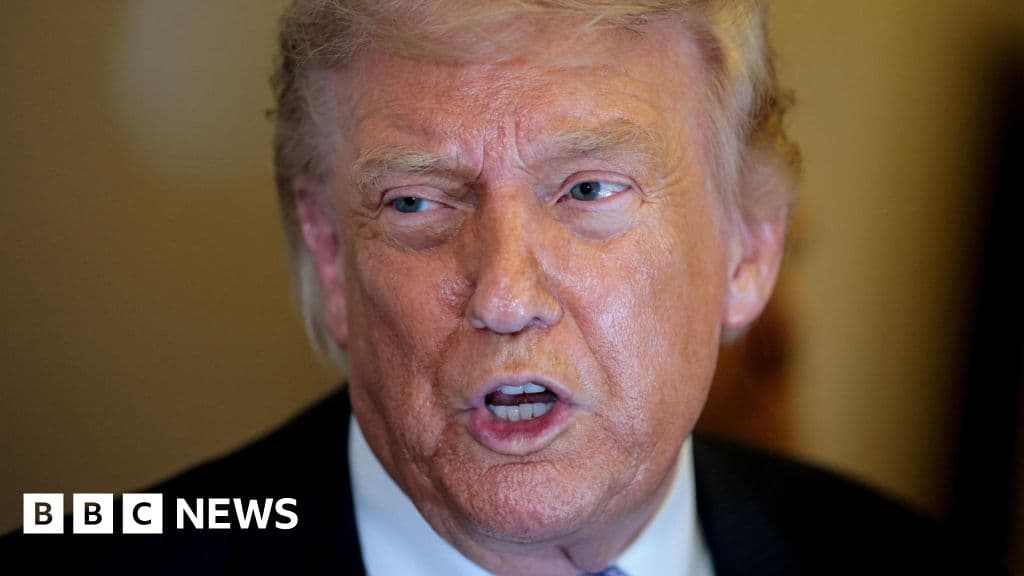
Trump warns Iran that time is running out for peace talks. What does this mean for global stability and oil prices? Discover the latest developments.
GlipzoIn a dramatic escalation of rhetoric, U.S. President Donald Trump issued a warning to Iran, stating that the "clock is ticking" amidst stalled negotiations aimed at ending the ongoing conflict. Posting on his Truth Social platform, Trump exclaimed, "They better get moving, FAST, or there won't be anything left of them. TIME IS OF THE ESSENCE!" This stark message comes just before a scheduled conversation with Israeli Prime Minister Benjamin Netanyahu on Sunday, highlighting the urgency the U.S. administration feels regarding the situation in Iran.
The backdrop to this urgent warning is a growing concern that negotiations to bring an end to hostilities are faltering. According to Iranian media, the United States has not made any significant concessions in response to Tehran's recent proposals. The semi-official Mehr News Agency reported that without compromise from Washington, the negotiations may hit an "impasse," further complicating the path to peace.
This warning from Trump is reminiscent of his earlier threats, where he stated that a "whole civilization" could perish unless Iran agrees to a deal. This statement was made shortly before a ceasefire was first announced in early April. Just this week, Trump characterized the truce as being on "massive life support" after rejecting Iran's demands, which he deemed "totally unacceptable."
In response, Iranian officials have insisted on their commitment to negotiations, with Esmail Baghaei, a spokesperson for the Iranian foreign ministry, asserting that their proposals have been both "responsible" and "generous." These proposals reportedly include an immediate end to hostilities on all fronts, a cessation of the U.S. naval blockade on Iranian ports, and assurances against further attacks on Iran. Additionally, Tehran seeks compensation for damages incurred during the conflict and emphasizes its sovereignty over the Strait of Hormuz.
According to reports from Iran's Tasnim News Agency, the United States has responded with five specific conditions, which have not been well-received. The conditions include demands for Iran to maintain only one operational nuclear site and to transfer its stockpile of highly enriched uranium to the U.S. This hardline stance from Washington has sparked further tensions and skepticism regarding the potential for successful negotiations.
Adding to the complexity of the situation, Trump indicated on Friday that he might be open to a 20-year suspension of Iran's nuclear program—a significant shift from his earlier position which called for a complete halt. This change could suggest a possible avenue for dialogue, although skepticism remains high given the current climate of distrust.
The conflict's impact extends beyond diplomatic dialogues, notably affecting global oil markets. On February 28, Israeli and U.S. forces initiated extensive airstrikes on Iranian positions. Although a ceasefire was established to facilitate negotiations, it has not completely halted exchanges of gunfire, and Iran continues to control the Strait of Hormuz, a crucial waterway through which approximately 20% of the world's oil and liquefied natural gas is transported. The Iranian control of this strategic area has contributed to rising oil prices worldwide, creating additional economic pressures.
In response to Iranian actions, the U.S. has maintained a blockade of Iranian ports, aiming to compel Tehran to agree to its terms. Despite these efforts, the role of Pakistan as a mediator between the two nations has not yet bridged the significant gaps that remain.
The ongoing tensions between the U.S. and Iran carry profound implications not only for regional stability but also for global economic conditions. The possibility of military escalation remains an ever-present threat, and the failure of diplomatic efforts could lead to catastrophic outcomes. As the clock ticks, both nations face the pressing need to find common ground, but the path to peace is fraught with challenges.
As negotiations remain stalled, the international community must pay close attention to the following developments: - Diplomatic Initiatives: Will Pakistan's mediation efforts yield any results? - Military Actions: Will there be an escalation of airstrikes or military maneuvers from either side? - Economic Impact: How will oil prices react to ongoing tensions and potential military actions? - Public Sentiment: How are the citizens of both nations reacting to the ongoing standoff? - Global Reactions: Will other countries intervene or propose alternative solutions?
The outcome of these negotiations and the unfolding situation will be pivotal in shaping not only the future of U.S.-Iran relations but also the geopolitical landscape of the Middle East. As we watch closely, the urgency for a resolution has never been more critical.

Tensions soar as the US and Iran engage in air strikes near the Strait of Hormuz, raising concerns over global oil supply and regional stability.
BBC World
Trump's international interventions face serious stalemates. What will this mean for U.S. foreign policy? Explore the critical challenges ahead.
Indian Express
Tehran denies resignation of President Masoud Pezeshkian amid claims of IRGC influence. What does this mean for Iran's political stability? Click to learn more!
Indian Express