
Image: BBC World
Trump's controversial Pearl Harbor comparison raises eyebrows in the context of escalating US-Iran tensions. What could this mean for future relations?
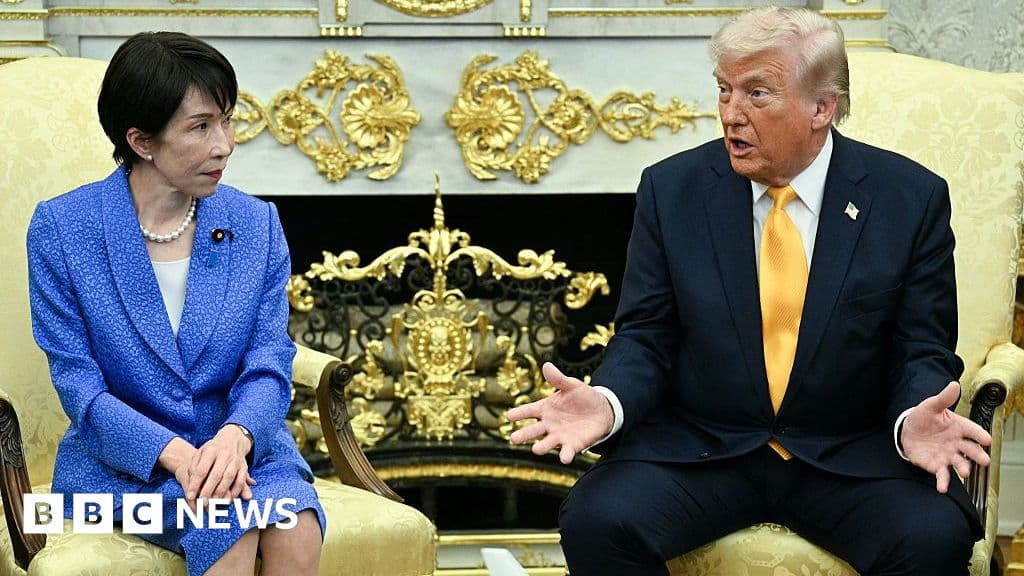
GlipzoIn a striking Oval Office meeting on March 1, President Donald Trump drew a controversial parallel between the attack on Iran and Japan's assault on Pearl Harbor during World War II. When pressed by Japanese Prime Minister Sanae Takaichi about his decision to keep allies in the dark regarding military actions against Iran, Trump replied, "Who knows better about surprise than Japan?" This remark has sparked significant debate regarding the implications of surprise military tactics in international relations.
Trump's comments come at a critical juncture in US-Iran relations, which have been increasingly tense since the announcement of military operations. The President described the military operation as a "tremendous success" but emphasized the need for continued vigilance to prevent Iran from developing nuclear weapons. His remarks suggest a strategic stance that not only impacts US allies but also reflects on the historical context of military engagements and surprise attacks.
The situation in the Middle East is fluid, with the price of crude oil surging to over $100 a barrel as tensions escalate. The UK's deployment of the Type 45 Destroyer to the Mediterranean region further underscores the global ramifications of the conflict. This military presence follows an Iranian drone strike that targeted the runway at the RAF Akrotiri base in Cyprus, raising concerns among Western allies.
In the aftermath of Trump's statements, public opinion in the US appears divided. Many Americans express confusion and concern over the administration's approach to foreign policy, particularly in relation to Iran. A recent BBC survey shows varied opinions on what an ideal resolution to the conflict might look like, highlighting a populace uncertain about military interventions.
Moreover, the ongoing discussions about reopening embassies, which have been closed for decades, reflect the complexities of diplomacy in this volatile region. The BBC's Helena Humphrey has detailed the intricate steps necessary for the US and Iran to resume formal diplomatic relations, emphasizing the delicate nature of negotiations in light of recent hostilities.
Trump's reference to Pearl Harbor not only raises eyebrows but also serves as a reminder of the historical significance of surprise attacks in warfare. By invoking this analogy, Trump may be attempting to rationalize his administration's actions as preemptive, a strategy often fraught with ethical and strategic dilemmas.
The ongoing conflict has also seen a tangible impact on global trade and maritime activities, with a noticeable drop in vessel traffic through the Strait of Hormuz. A recent timelapse video illustrates the decline in shipping activity, further signifying the economic stakes involved in this geopolitical chess game.
As the situation continues to evolve, several key factors will shape the future of US-Iran relations. The possibility of further military action looms large, especially as Secretary of Defense Pete Hegseth confirmed the sinking of an Iranian warship in the Indian Ocean. This incident could provoke further retaliatory measures from Iran, escalating tensions even further.
Additionally, the international community is closely monitoring the situation, particularly in light of recent reports of strikes on civilian targets, including schools in Iran. Hegseth's comment about investigating these incidents highlights the need for transparency and accountability in military operations, a crucial aspect that could affect public perception and international relations.
In summary, Trump's Pearl Harbor comparison has not only reignited discussions around military strategy and foreign policy but has also created a ripple effect that could influence diplomatic relations for years to come. As the Middle East conflict continues to unfold, it will be essential to observe how the US, its allies, and Iran navigate this precarious landscape. The potential for escalation is significant, and the global community remains on high alert for any developments that could shift the balance of power in the region.

Tensions soar as the US and Iran engage in air strikes near the Strait of Hormuz, raising concerns over global oil supply and regional stability.
BBC World
Trump's international interventions face serious stalemates. What will this mean for U.S. foreign policy? Explore the critical challenges ahead.
Indian Express
Tehran denies resignation of President Masoud Pezeshkian amid claims of IRGC influence. What does this mean for Iran's political stability? Click to learn more!
Indian Express