
Image: BBC World
Tune in as Trump addresses the Iran conflict amid rising public pressure. Will he signal an end or escalation? Discover the implications.
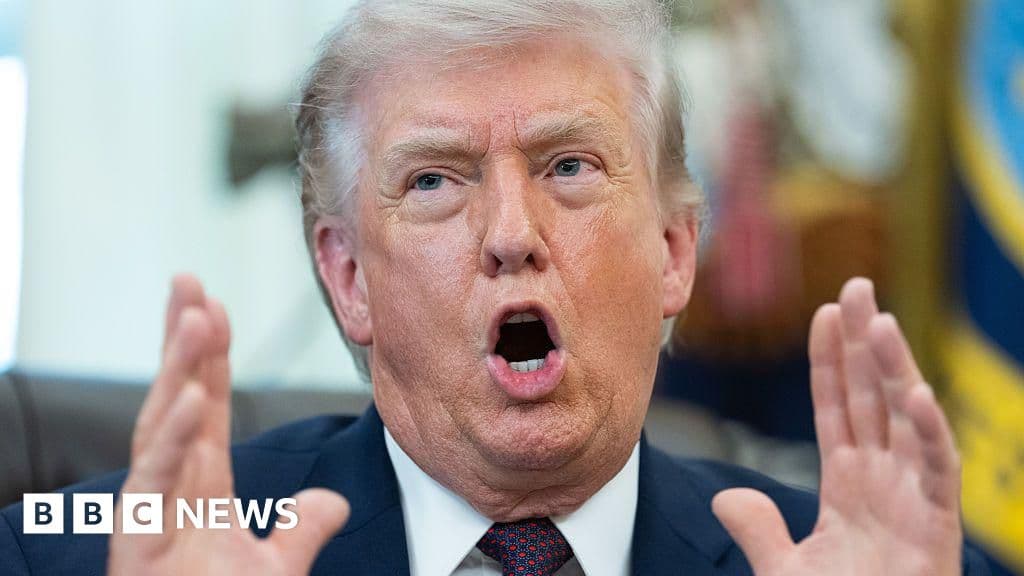
GlipzoOn Wednesday night, millions across the globe will tune in as Donald Trump delivers a primetime address focusing on the escalating Iran conflict. This highly anticipated speech is expected to provide clarity on the U.S. military's next steps, as observers eagerly await whether it signifies a potential resolution or an escalation of hostilities.
As the world turns its eyes to Trump, speculation surrounds the content of his address. The administration has hinted that there may not be any significant announcements, which only fuels the uncertainty regarding the future of U.S. involvement in Iran. Trump's tendency to keep his plans closely guarded adds to the speculation, leaving both supporters and critics guessing about his next moves.
This moment is particularly crucial for Trump, who faces increasing domestic pressure to navigate the conflict effectively. Recent polls indicate that Americans are largely opposed to a prolonged military engagement in Iran, with a significant majority preferring a swift withdrawal even if U.S. objectives are not fully met. A Reuters poll revealed that nearly 67% of Americans favor ending the war quickly, reflecting a growing impatience with the situation.
The war's implications extend beyond military strategy; they have tangible effects on the American economy. With gas prices surpassing $4 a gallon for the first time in years, the economic fallout is becoming a pressing concern for many citizens. For a president who previously touted low fuel prices as an achievement, these rising costs pose a significant challenge.
Imran Bayoumi, a geostrategy expert at the Atlantic Council, emphasized that the war's declining popularity and its economic repercussions are critical issues as the country approaches midterm elections. If the conflict continues to drag on, it could have serious implications for the Republican Party's performance.
In his address, Trump is likely to outline the U.S. military's achievements in Iran, including efforts to diminish the Iranian navy, missile capabilities, and nuclear ambitions. His statements have fluctuated, ranging from advocating for an unconditional surrender from Iran to suggesting a possible negotiated settlement. Just a day prior to the address, Trump claimed the war could conclude in two to three weeks, even without a formal agreement.
This morning, Trump took to Truth Social, noting that Iran's president had requested a ceasefire. However, he made it clear that the U.S. would only consider such a request once the Strait of Hormuz is secured. Until then, Trump vowed to continue military operations, stating, "we will be blasting Iran into oblivion, or as they say, back to the Stone Ages."
While the tactical success of U.S. and Israeli operations in Iran has been notable, the definition of victory remains ambiguous. According to Bayoumi, Trump's lack of clearly articulated goals allows him to declare success at any moment. He has pointed to a perceived halt in Iran's nuclear threat, but the reality of that assertion is still up for debate.
The president's comments will be closely analyzed by allies and adversaries alike, many of whom may suspect that his declarations could be strategic misdirection. In Tehran, the leadership is acutely aware of Trump's previous endorsement of negotiations, making them wary of his intentions.
As Trump prepares to address the nation, several questions linger regarding the future of U.S. involvement in the conflict: - What constitutes victory for Trump? Without clear objectives, the president can interpret success in various ways, which may lead to unexpected policy decisions. - How will rising gas prices impact public sentiment? The economic implications of war may drive public opinion further against prolonged military involvement. - What are the implications for U.S. foreign relations? Allies may be looking for reassurance about U.S. commitments, while adversaries may question the reliability of U.S. strategies.
In conclusion, as Trump speaks to the nation, the implications of his words will resonate far beyond the immediate context of the conflict. The address is not only a reflection of current military strategies but also a window into the evolving political landscape as the U.S. navigates its role on the global stage. Observers will be keen to see if the speech provides any definitive answers or merely adds to the ongoing uncertainty surrounding the conflict in Iran.
The outcome of Trump's address could have significant repercussions for both U.S. foreign policy and domestic political dynamics. As the public grows increasingly restless about military engagements, the administration's response will be critical in shaping future actions and public opinion, especially leading into the midterm elections.

Tensions soar as the US and Iran engage in air strikes near the Strait of Hormuz, raising concerns over global oil supply and regional stability.
BBC World
Trump's international interventions face serious stalemates. What will this mean for U.S. foreign policy? Explore the critical challenges ahead.
Indian Express
Tehran denies resignation of President Masoud Pezeshkian amid claims of IRGC influence. What does this mean for Iran's political stability? Click to learn more!
Indian Express