
Image: BBC World
Trump's Pearl Harbor reference during a meeting with Japan's PM Takaichi raises eyebrows, highlighting historical sensitivities in modern diplomacy.
GlipzoIn a surprising moment during a recent meeting, President Donald Trump made an unexpected reference to the historic Pearl Harbor attack while addressing Japanese Prime Minister Sanae Takaichi. This incident occurred on February 28, 2023, as Takaichi visited the United States, highlighting both the complexities of international relations and the sensitivity surrounding historical events.
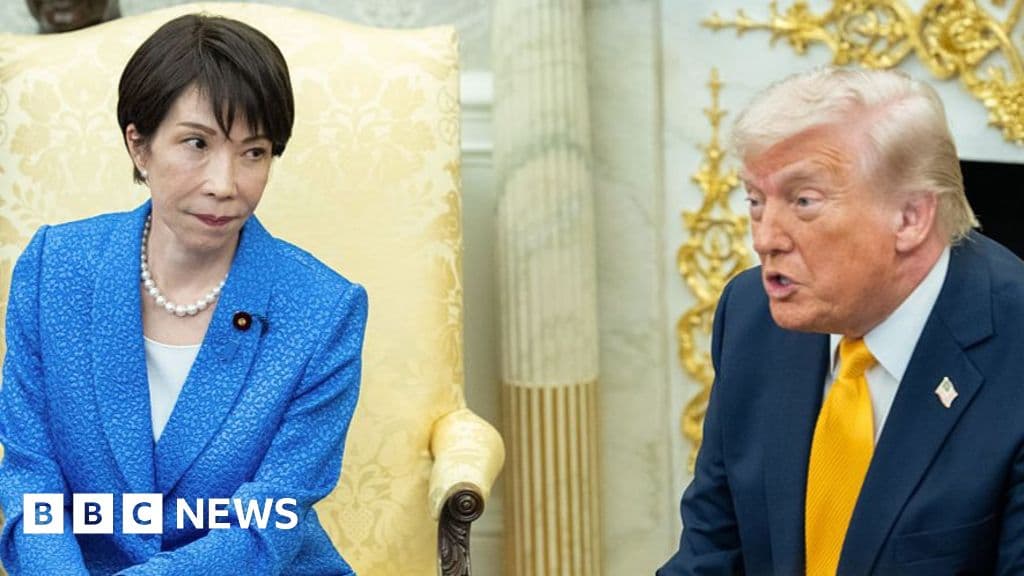
During a press conference, a Japanese journalist raised a critical question about the United States not alerting its allies prior to military actions against Iran. In response, Trump provocatively remarked, "Who knows better about surprise than Japan? Why didn't you tell me about Pearl Harbor?" This statement elicited laughter from some attendees in the room, yet it also visibly unsettled Prime Minister Takaichi.
Eyewitness accounts from the event convey the tension in the room. Mineko Tokito, a senior journalist from Yomiuri Shimbun, reported that Takaichi's reaction was notably uncomfortable. "Her eyes widened and her smile faded as she leaned back, clearly taken aback by the sudden mention of Pearl Harbor," Tokito explained.
The Pearl Harbor attack on December 7, 1941, marked a pivotal moment in world history. This surprise military strike by Japan against the US naval base resulted in over 2,335 American fatalities and led to the formal entry of the United States into World War II. The aftermath fostered a long-standing alliance between the two nations, which has lasted since 1952 after a period of intense conflict.
Both Japan and the US have since shifted their focus towards reconciliation, often avoiding discussions of their tumultuous past. Public gestures of unity have included significant visits by leaders from both countries. For instance, in 2016, Prime Minister Shinzo Abe offered condolences at Pearl Harbor, and President Barack Obama became the first sitting US president to visit Hiroshima, promoting the message of peace and the potential for former adversaries to become allies.
The reactions to Trump's comments have stirred a mix of emotions among the Japanese public. Yuta Nakamura, a 33-year-old engineer, noted that Takaichi found herself in a challenging position during the exchange, praising her poise in navigating the discussion without aggravating Trump.
Conversely, some citizens expressed discomfort with Trump's choice of words, reflecting on the broader historical implications. Tokio Washino, a retiree, remarked, "Given the historical context of Japan having done that, and with Donald Trump bringing it up as an example, it makes me feel a bit uneasy as a Japanese citizen."
Takaichi's visit comes amidst heightened tensions between the US and Iran, particularly regarding the Strait of Hormuz, a critical maritime passage for global oil transport. Japan, along with several other nations, pledged to enhance security in this region, responding to the US's concerns about the recent Iranian blockade. However, Japan's reluctance to directly assist in reopening the strait has created friction in US-Japan relations.
During their meeting, Trump characterized Japan as a "friend" and acknowledged their efforts in contributing to regional security. Takaichi later briefed the media on Japan's legal capacity to provide support, although the specifics of their contributions remain vague. These discussions are crucial as tensions in the strait have caused global oil prices to surge, affecting economies worldwide.
Trump's remarks serve as a reminder of how historical events can shape current international relations. The sensitivity surrounding discussions of Pearl Harbor illustrates the complexities involved in diplomacy, particularly with longstanding allies like Japan. As both nations navigate contemporary challenges, it is essential to remember their shared history while focusing on future collaboration.
As the geopolitical landscape continues to evolve, the following points warrant attention: - Management of US-Iran Relations: Observing how the US and Japan handle their responses to Iranian actions will be critical for regional stability. - Public Sentiment in Japan: Continued public discourse surrounding Trump's comments may influence Japanese perceptions of US leadership. - Future Diplomatic Engagements: Future meetings between US and Japanese officials will likely reflect the delicate balance of honoring history while promoting collaboration.
In conclusion, as global dynamics shift, the importance of historical context in diplomatic relations remains paramount. The ability of leaders to navigate these complexities will determine the strength of alliances moving forward.

Tensions soar as the US and Iran engage in air strikes near the Strait of Hormuz, raising concerns over global oil supply and regional stability.
BBC World
Trump's international interventions face serious stalemates. What will this mean for U.S. foreign policy? Explore the critical challenges ahead.
Indian Express
Tehran denies resignation of President Masoud Pezeshkian amid claims of IRGC influence. What does this mean for Iran's political stability? Click to learn more!
Indian Express