
Image: BBC World
Trump's Iran ultimatum raises tensions, yet hints at diplomacy. Will his actions lead to peace or further conflict? Click to explore.
GlipzoIn a world rife with conflict, President Donald Trump's recent actions have highlighted a striking juxtaposition between diplomatic overtures and stark ultimatums concerning Iran. Over the course of just a few days, Trump's approach has shifted dramatically—from suggesting that the U.S. military efforts against Iran were "winding down" to issuing a 48-hour ultimatum demanding the reopening of the Strait of Hormuz or facing severe American military retaliation.
On the evening of March 2, 2024, Trump made his intentions clear: if Iran failed to comply, it would incur significant consequences aimed at crippling its energy infrastructure. This bold ultimatum has led to rising tensions in the region, with Iranian forces responding by threatening to target U.S. and allied interests in the Middle East. As global markets responded to this volatile situation, the urgency of the matter escalated.
While the situation was fraught with tension, Trump's weekend activities painted a contrasting picture. Following his ultimatum, the president spent Sunday playing golf and later ventured to Mar-a-Lago, his Florida resort. However, by Monday morning, as the global markets began to falter, Trump expressed optimism about ongoing discussions with Iranian officials. He claimed that the Iranians were engaging in “constructive” talks with the U.S., indicating a potential path forward amidst the chaos.
Later that day, Trump traveled to Memphis, Tennessee, where he delivered a speech and took a tour of Elvis Presley’s iconic Graceland. This unexpected diversion suggests a blend of personal interests alongside pressing international matters, as Trump sought to highlight a decrease in crime rates in Memphis, attributing it to the deployment of National Guard troops.
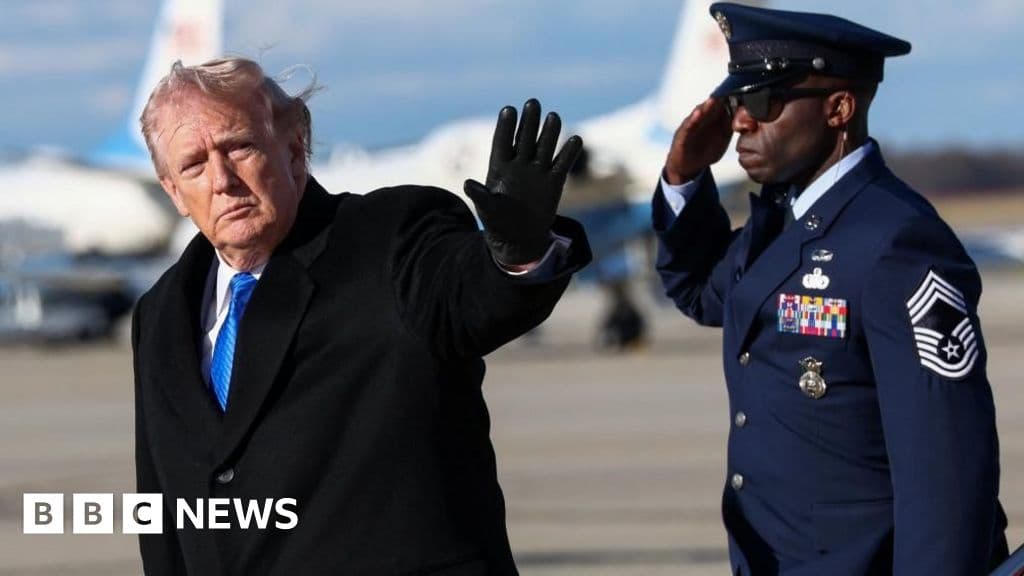
As Trump navigated the complex terrain of international relations, he emphasized the U.S. and Iran's “major points of agreement.” Speaking on the tarmac before his departure, Trump asserted that both nations were interested in reaching a deal, stating, “They want very much to make a deal. We’d like to make a deal, too.” This optimistic tone was echoed in his address to the National Guard personnel, where he reiterated that Iran had one last chance to abandon its threats against the U.S. and its allies.
Despite the positive rhetoric, skepticism loomed large. Iranian state media suggested that Trump's retreat from his aggressive stance indicated a response to threats, while Iranian officials denied any meaningful dialogue had taken place. Amidst these conflicting narratives, Trump mentioned “15 points of agreement” without divulging specifics, leaving many observers questioning the actual state of affairs.
The mere possibility of diplomatic discussions between the U.S. and Iran had a significant impact on financial markets. In light of Trump’s comments, U.S. stocks surged while oil prices began to decline, providing a glimmer of hope for investors who were anxiously watching the unfolding crisis. The potential for a diplomatic resolution offers a much-needed reprieve as nations grapple with the ramifications of conflict on their economies and global stability.
As Trump returns to Washington D.C., the clock begins ticking on a new five-day countdown regarding the U.S. military’s response to Iran. This precarious balance between diplomacy and military action raises questions about the future of U.S.-Iran relations and the broader geopolitical landscape.
The events of the past few days serve as a reminder of how quickly circumstances can change in international affairs. Whether Trump’s recent overtures will lead to substantial progress or merely serve as a strategic pause in hostilities remains to be seen. The upcoming days will be critical as both sides weigh their options and the potential consequences of their actions.
As tensions simmer, analysts and officials alike will be watching closely for any signs of a breakthrough or further escalation. Will Trump’s diplomatic efforts bear fruit, or will the cycle of threats and counter-threats continue to dominate the narrative? Only time will tell if this moment represents an opportunity for peace or a precursor to further conflict.
In the meantime, the world watches as Trump balances the weight of international diplomacy with personal preferences, including a newfound admiration for the “king of rock’n’roll.” As he expressed during his visit to Graceland, his favorite Elvis song is “Hurt,” fitting for a time when the stakes are high, and the ramifications of each decision could reverberate for years to come.
The evolving situation between the U.S. and Iran is critical not only for regional stability but also for global economic health. As both nations navigate this complex relationship, the outcomes could redefine alliances and influence international relations moving forward. Understanding the intricacies of these diplomatic interactions is essential for anticipating future developments in a world increasingly shaped by geopolitical tensions.
In summary, as President Trump juggles diplomacy, military might, and personal interests, the international community remains on edge, eager for a resolution that will hopefully steer clear of further conflict and foster peace in a tumultuous region.

Tensions soar as the US and Iran engage in air strikes near the Strait of Hormuz, raising concerns over global oil supply and regional stability.
BBC World
Trump's international interventions face serious stalemates. What will this mean for U.S. foreign policy? Explore the critical challenges ahead.
Indian Express
Tehran denies resignation of President Masoud Pezeshkian amid claims of IRGC influence. What does this mean for Iran's political stability? Click to learn more!
Indian Express