
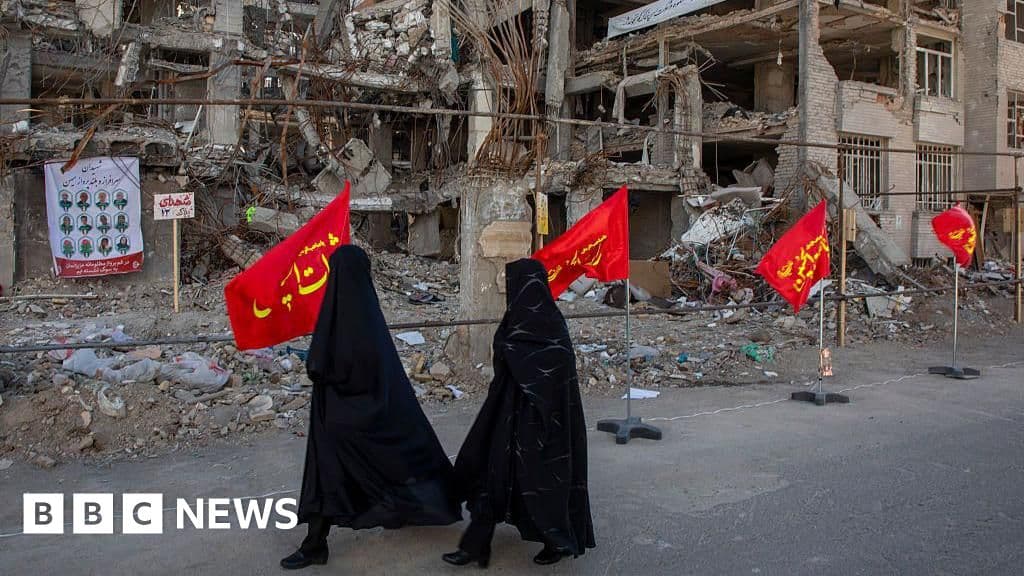
Image: BBC World
Tensions rise as Trump sets a military ultimatum for Iran. Will Iran comply, or will the situation escalate further? Explore the critical implications.
GlipzoIn a dramatic escalation of military threats, President Donald Trump has issued a stark ultimatum to Iran, as the clock ticks down towards a critical deadline. On Tuesday at 8:00 PM EST (12:00 AM GMT Wednesday), the administration plans to commence a series of devastating airstrikes against Iranian infrastructure, including the destruction of bridges and power plants across the nation. This latest move is part of a significant increase in hostilities that have unfolded over the past five weeks amid a joint U.S.-Israeli military campaign aimed at curtailing Iran’s regional ambitions.
Trump has made it clear that the stakes could not be higher. “Very little is off-limits,” he declared in a press briefing, underscoring the potential for widespread destruction if Iran does not comply with his demands. The crux of Trump’s ultimatum requires Iran to agree to an arrangement that would ensure the unhindered flow of oil through the vital Strait of Hormuz, a strategic waterway through which a significant portion of the world’s oil supply passes.
Despite the looming deadline, there are scant signs that Iran is prepared to yield to Trump’s pressures. The Iranian government has firmly rejected any proposal for a temporary ceasefire, instead issuing its own set of demands, which U.S. officials have described as “maximalist.” This impasse places Trump in a precarious position, as he must balance the need for military action against the potential repercussions of appearing weak or indecisive.
For Trump, this marks the fourth time in three weeks that he may consider extending his ultimatum, but doing so could undermine his credibility as the conflict drags on. Observers note that if Iran perceives the U.S. as negotiating from a position of weakness, it may embolden further defiance, despite the recent displays of American military prowess.
During a recent press conference, Trump celebrated the success of U.S. operations, including a daring mission to rescue two downed airmen deep within Iranian territory. This operation showcased the precision and tactical skills of American forces, yet it also highlighted the ongoing risks U.S. military personnel face in the region. Trump asserted, “We won. They are militarily defeated,” but this assertion may not fully account for the psychological and strategic capabilities that Iran possesses.
The president noted that while the U.S. can inflict significant damage, the ability of Iran to disrupt shipping in the Strait of Hormuz presents a challenge that cannot be overlooked. “To close the Strait, all you need is one terrorist,” he remarked, emphasizing the complexity of the situation.
As the deadline approaches, Trump continues to grapple with the implications of his military strategy. While he has suggested that the Iranian populace may endure the consequences of American airstrikes, he also acknowledged the long-term ramifications of such actions. “Do I want to destroy their infrastructure? No,” Trump said, expressing concern that a full-scale bombing campaign would lead to a humanitarian crisis and necessitate a lengthy rebuilding process for Iran.
He warned that if military action escalates, it could take decades for the country to recover, stating, “It will take them 20 years to rebuild their country.” This acknowledgment raises questions about the broader impact of U.S. military operations not only on Iran but also on regional stability and humanitarian conditions.
Despite the escalating tensions, Trump remains optimistic about the possibility of a diplomatic breakthrough. He suggested that there is an “active, willing participant” on the Iranian side who is interested in negotiations. “They would like to be able to make a deal,” he added, indicating that there may still be avenues for dialogue amidst the military threats.
As the situation unfolds, the international community will be closely monitoring Iran’s response to Trump’s ultimatum and the potential for further escalation. The stakes are high, not only for U.S.-Iranian relations but for global oil markets, regional security, and the humanitarian situation in Iran.
As the deadline nears, analysts suggest that the coming days will be pivotal. Key questions remain: - Will Iran respond to the ultimatum with a willingness to negotiate? - How will the U.S. military implement its threats without igniting a larger conflict? - What will be the economic implications for global oil supply amid heightened tensions?
The answers to these questions will shape the geopolitical landscape in the Middle East and beyond for the foreseeable future. With all eyes on Washington and Tehran, the international community holds its breath as the potential for conflict looms large.
In the midst of this tumultuous backdrop, both nations must navigate a complex web of military threats and potential diplomatic solutions. The coming days will reveal whether cooler heads can prevail or if the situation will escalate into a new chapter of conflict in the region.

Tensions soar as the US and Iran engage in air strikes near the Strait of Hormuz, raising concerns over global oil supply and regional stability.
BBC World
Trump's international interventions face serious stalemates. What will this mean for U.S. foreign policy? Explore the critical challenges ahead.
Indian Express
Tehran denies resignation of President Masoud Pezeshkian amid claims of IRGC influence. What does this mean for Iran's political stability? Click to learn more!
Indian Express