
Image: The Hindu
Trump faces backlash as allies refuse to send warships for Hormuz escort amid ongoing conflict with Iran. What are the implications of this rejection?
GlipzoOn March 16, 2026, President Donald Trump expressed deep dissatisfaction after several of the United States' allies turned down his request for military assistance in escorting tankers through the Strait of Hormuz. This strategic waterway is crucial for global oil and gas shipments, accounting for 20% of the world's energy supply. With the ongoing U.S.-Israeli conflict against Iran entering its third week, the situation has escalated, prompting fears of rising energy prices and potential inflation.
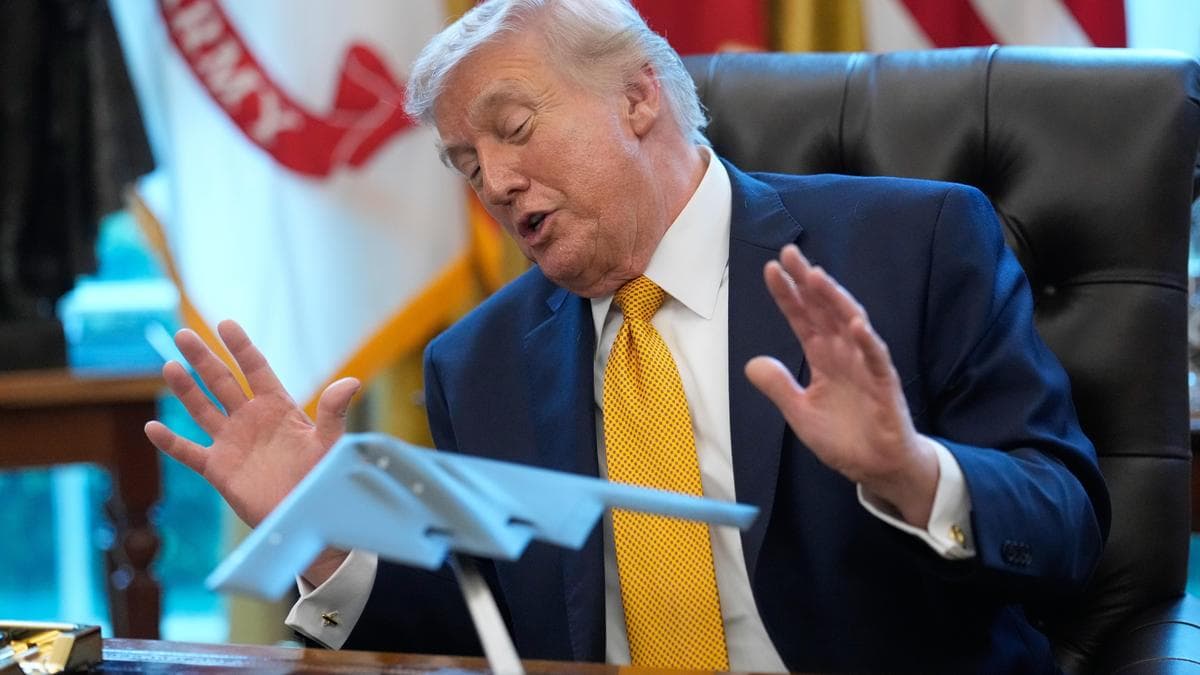
During a recent event in Washington, Trump criticized these allies—Germany, Spain, and Italy—who stated they have no immediate plans to deploy naval ships to support the U.S. efforts. The President's frustration stems from what he perceives as a lack of gratitude from nations that have benefited from decades of American military support. “Some are countries that we’ve helped for many, many years. We’ve protected them from horrible outside sources, and they weren’t that enthusiastic. And the level of enthusiasm matters to me,” Trump lamented.
The international response to the current conflict has been mixed, with many countries expressing concerns over the humanitarian implications of an extended Israeli ground offensive. In a joint statement, Canada, France, Germany, Italy, and Britain warned that such escalations could lead to devastating humanitarian crises and prolong the conflict in the region.
As hostilities continue, Israeli forces have reportedly drawn up plans for at least three additional weeks of military operations against Iran. Israel’s military aims to target critical Iranian infrastructure, including ballistic missile sites and nuclear facilities, to diminish Iran's capability to threaten its security. Lieutenant Colonel Nadav Shoshani, a spokesperson for the Israeli military, stated, “We want to make sure that they are as weak as possible, this regime, and that we degrade all their capabilities.”
Meanwhile, Iran's Islamic Revolutionary Guard Corps (IRGC) has threatened to retaliate against U.S. interests in the region, warning civilians near American installations to evacuate as tensions escalate following recent U.S. airstrikes on Iranian facilities.
The Strait of Hormuz is not just a geographical point; it is a vital artery for global energy supplies. With the potential for military conflict looming over this waterway, the stakes are incredibly high. The closure of the Strait could lead to significant disruptions in oil supply, driving prices up and impacting economies worldwide.
The refusal of European allies to provide naval support has raised concerns about the future of U.S. alliances and military strategies. Chancellor Friedrich Merz of Germany stated that they lack a mandate from the United Nations, European Union, or NATO to participate in military operations without prior consultation. This withdrawal of support exemplifies the growing rift in transatlantic relations.
As the conflict continues, analysts are closely monitoring the potential for escalation. The ongoing airstrikes and military operations by Israel, coupled with Iran’s threats of retaliation, could lead to a broader regional conflict. With the Middle East already a hotspot for geopolitical tensions, the outcomes of these military actions could have long-lasting implications for U.S. foreign policy and global stability.
As the situation unfolds, several key factors will be crucial to observe: - Responses from U.S. allies: Will there be any changes in stance from European nations regarding military support? - Iran's military strategy: How will Iran respond to ongoing attacks, and what tactics will they employ? - Global market reactions: How will energy markets react to developments in the Strait of Hormuz?
The current conflict highlights the fragile nature of international alliances and the complexities of military engagement in the Middle East. With President Trump facing mounting pressure both domestically and internationally, the coming weeks will be critical in shaping the future of U.S. involvement in the region and the broader geopolitical landscape.
In conclusion, the rejection of Trump's request for warship escorts not only reflects current tensions among allies but also raises questions about the future of U.S. foreign policy in a region fraught with conflict. As the situation evolves, all eyes will be on how the U.S. navigates this challenging diplomatic landscape and whether it can rally support among its partners in these turbulent times.

Tensions soar as the US and Iran engage in air strikes near the Strait of Hormuz, raising concerns over global oil supply and regional stability.
BBC World
Trump's international interventions face serious stalemates. What will this mean for U.S. foreign policy? Explore the critical challenges ahead.
Indian Express
Tehran denies resignation of President Masoud Pezeshkian amid claims of IRGC influence. What does this mean for Iran's political stability? Click to learn more!
Indian Express