

Image: The Hindu
Trump escalates tensions with Iran, claiming destruction of Kharg Island and threatening further strikes. What does this mean for global oil markets?
GlipzoIn a dramatic escalation of tensions, U.S. President Donald Trump declared that recent airstrikes have "totally demolished" Iran's strategic Kharg Island, an essential hub for oil exports. During an interview with NBC News, Trump hinted at the possibility of additional strikes, stating, "We may hit it a few more times just for fun." This statement comes amid a backdrop of increasing military action and diplomatic rigidity as the conflict between the U.S. and Iran enters a perilous phase.
Trump’s comments signal a shift in the administration's approach, moving from a focus on targeting military installations to a more aggressive stance that threatens Iran's economic lifelines. The airstrikes, which began on February 28, have resulted in significant casualties, with reports indicating that over 2,000 people have lost their lives, predominantly in Iran. As the violence escalates, both nations seem to be preparing for a prolonged confrontation.
Kharg Island holds a critical position in the global oil supply chain, as it serves as Iran's primary oil export terminal. The Strait of Hormuz, adjacent to Kharg, is a vital maritime route through which about 20% of the world’s oil passes. Trump’s call for allies to deploy warships to secure this corridor highlights the geopolitical stakes involved in this conflict. He emphasized, "The Countries of the World that receive Oil through the Hormuz Strait must take care of that passage, and we will help — A LOT!"
The repercussions of military actions in this region extend beyond immediate conflict. Energy prices have surged as the war disrupts oil supply chains, leading to economic uncertainties worldwide. In light of this, the U.S. administration is under pressure to manage not only military operations but also the potential fallout on global energy markets.
In stark contrast to Trump's threats, Iran has responded with defiance, dismissing any notion of a ceasefire until U.S. and Israeli airstrikes cease. Iranian forces have continued their military operations, including a recent drone attack on a significant energy facility in the United Arab Emirates. This attack underscores Iran's willingness to retaliate against perceived threats, as tensions continue to mount in the region.
The Iranian regime has urged its civilians to evacuate critical areas, warning that any facility linked to the United States is viewed as a "legitimate target." Furthermore, the Islamic Revolutionary Guard Corps has called for U.S. industries to withdraw from the region, further escalating the conflict.
Amidst the military aggression, diplomatic efforts appear to be faltering. Sources close to the situation indicate that the Trump administration has rejected proposals from Middle Eastern allies aimed at initiating peace negotiations. Trump's rhetoric, emphasizing military action over diplomacy, complicates the potential for a peaceful resolution.
Despite the ongoing hostilities, the question remains whether Iran is genuinely open to negotiating an end to the conflict. Trump noted that while Tehran might be inclined to engage in talks, "the terms aren’t good enough yet." This highlights the complex dynamics at play, with both sides entrenched in their positions.
The ongoing conflict not only affects U.S.-Iran relations but also has broader implications for regional stability. With the potential for further escalations, neighboring countries are on high alert. The UAE, which has been a target of Iranian drone strikes, is particularly vulnerable given its proximity to Iran and its role as a key player in the region's energy infrastructure.
As the war continues, oil operations in the Fujairah emirate, a major global refueling hub, have already felt the impact, with reports of suspensions following drone attacks. Such disruptions can lead to greater volatility in oil prices and economic instability across multiple countries.
Looking forward, the situation remains precarious. With both sides showing no signs of backing down, the potential for further military confrontations looms large. The international community will be watching closely to see if external allies heed Trump’s call to bolster naval presence in the Strait of Hormuz.
Key questions remain: Will diplomatic channels reopen, or is the region headed for a prolonged conflict? How will global oil markets react to continued disruptions? As the situation evolves, stakeholders must navigate a complex web of military, economic, and diplomatic challenges that could shape the future of U.S.-Iran relations and regional stability.
In summary, the fate of Kharg Island and the surrounding region could have lasting effects on global energy supplies and international relations. With tensions soaring, the world watches as the U.S. and Iran seem poised on a collision course, raising concerns about the broader implications of their ongoing conflict.
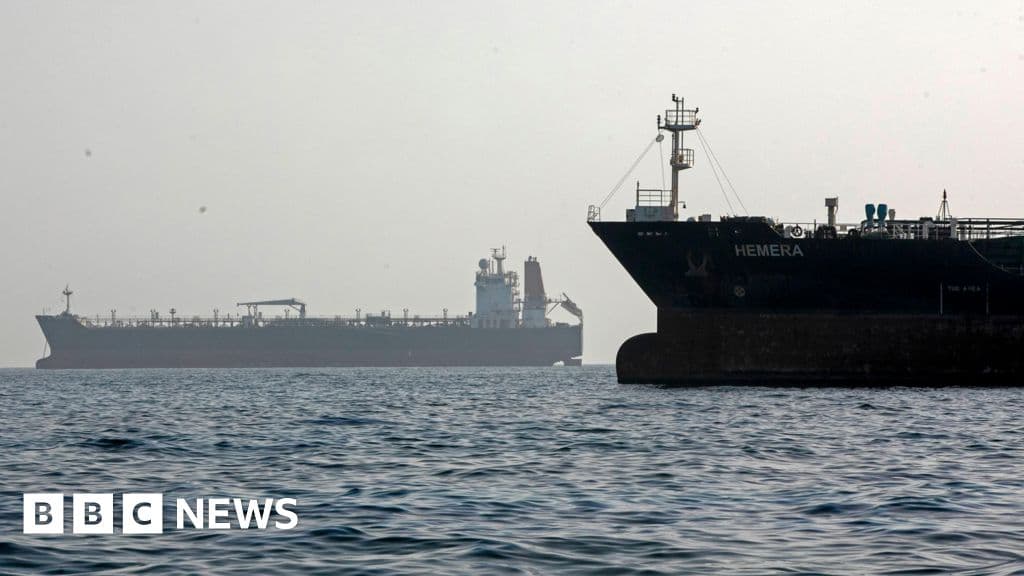
Tensions soar as the US and Iran engage in air strikes near the Strait of Hormuz, raising concerns over global oil supply and regional stability.
BBC World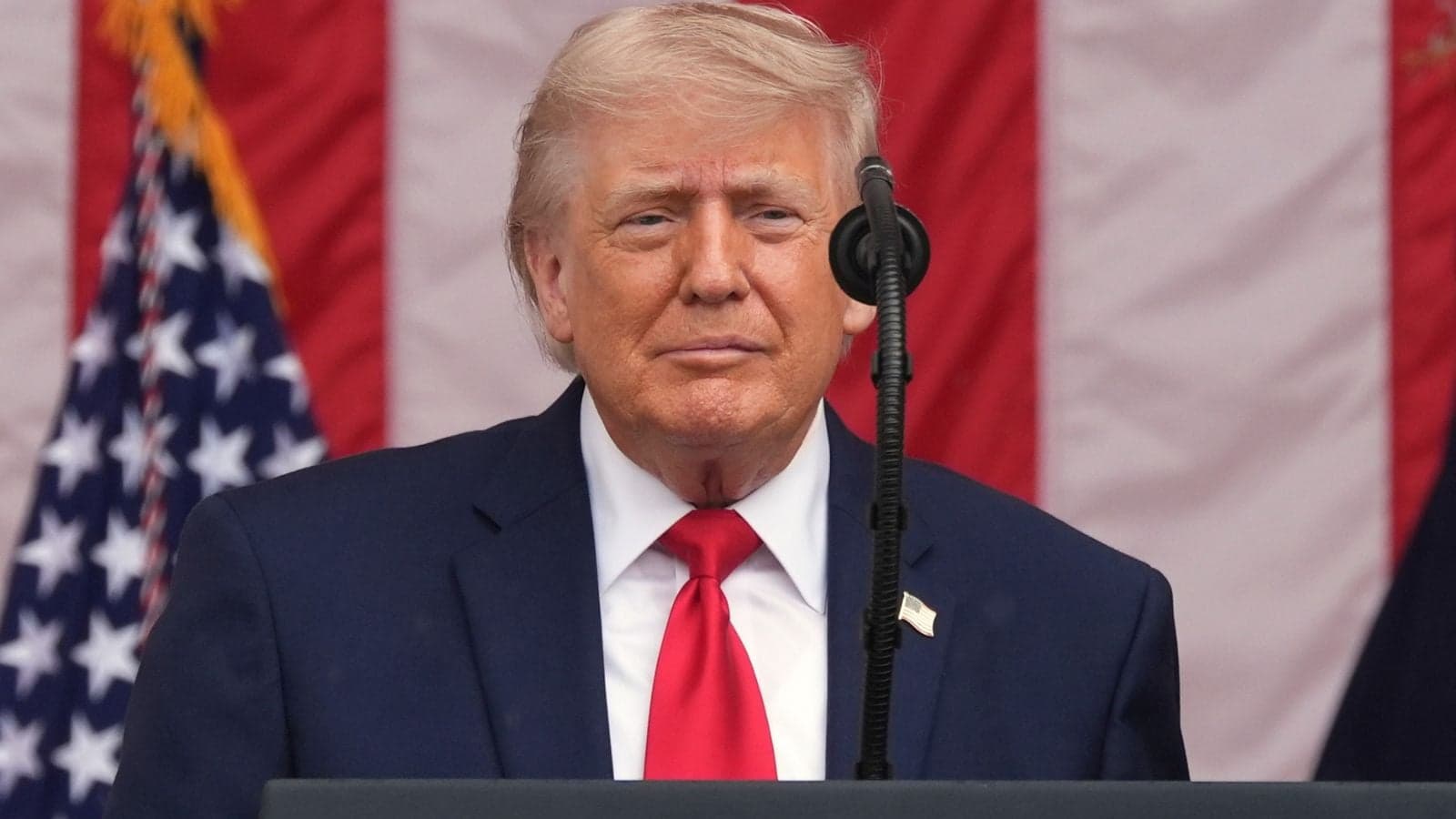
Trump's international interventions face serious stalemates. What will this mean for U.S. foreign policy? Explore the critical challenges ahead.
Indian Express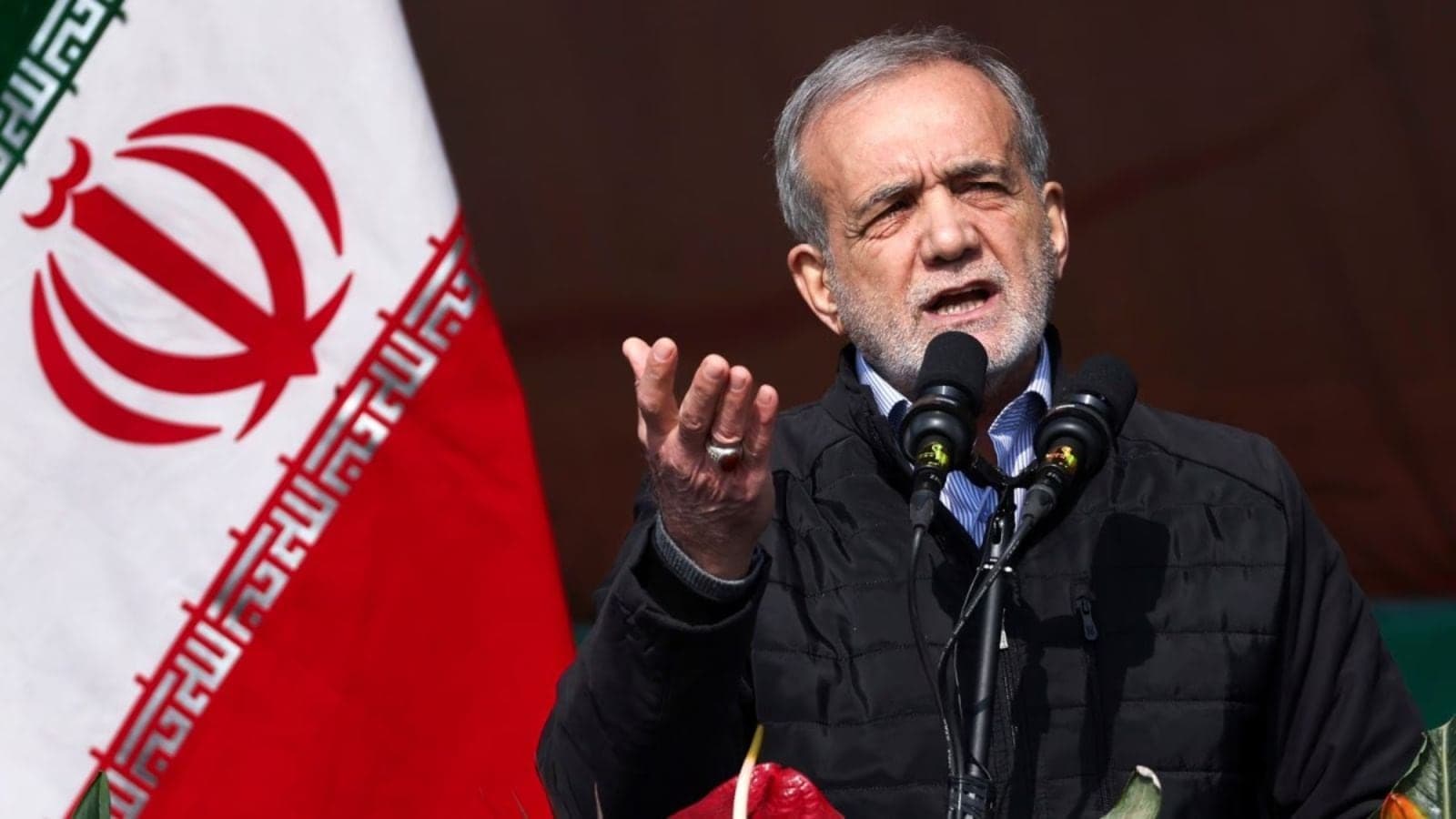
Tehran denies resignation of President Masoud Pezeshkian amid claims of IRGC influence. What does this mean for Iran's political stability? Click to learn more!
Indian Express