Glipzo
WorldTechnologyBusinessSportsEntertainmentScienceHealthPolitics
Glipzo
WorldTechnologyBusinessSportsEntertainmentScienceHealthPolitics
  1. Home
  2. /
  3. Politics
  4. /
  5. Trump's $1.5 Trillion Defense Budget: Key Areas Revealed
Trump's $1.5 Trillion Defense Budget: Key Areas Revealed

Image: Mint (Business)

Politics
Saturday, April 4, 20264 min read

Trump's $1.5 Trillion Defense Budget: Key Areas Revealed

Explore Trump's proposed $1.5 trillion defense budget, focusing on military spending increases and domestic cuts. What’s at stake for the U.S.?

Glipzo News Desk|Source: Mint (Business)
Share
Glipzo

Key Highlights

  • Trump’s $1.5 trillion defense budget marks a historic military spending rise.
  • Ongoing conflict with Iran has already cost the U.S. over $40 billion.
  • Democrats oppose the budget due to cuts in essential domestic programs.
  • Key cuts include $15 billion in renewable energy grants.
  • Congressional debates will shape the future of U.S. defense spending.

In this article

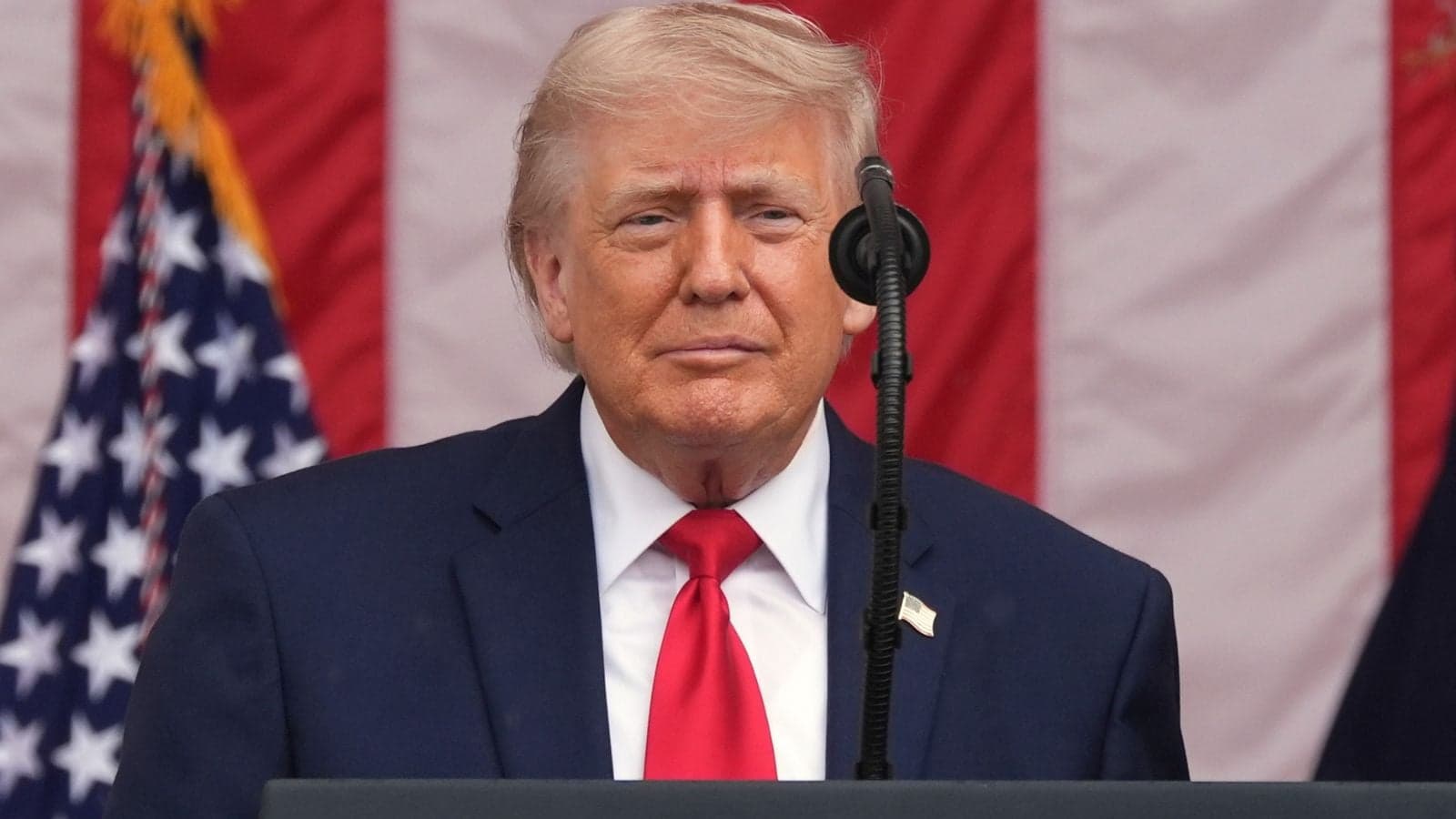
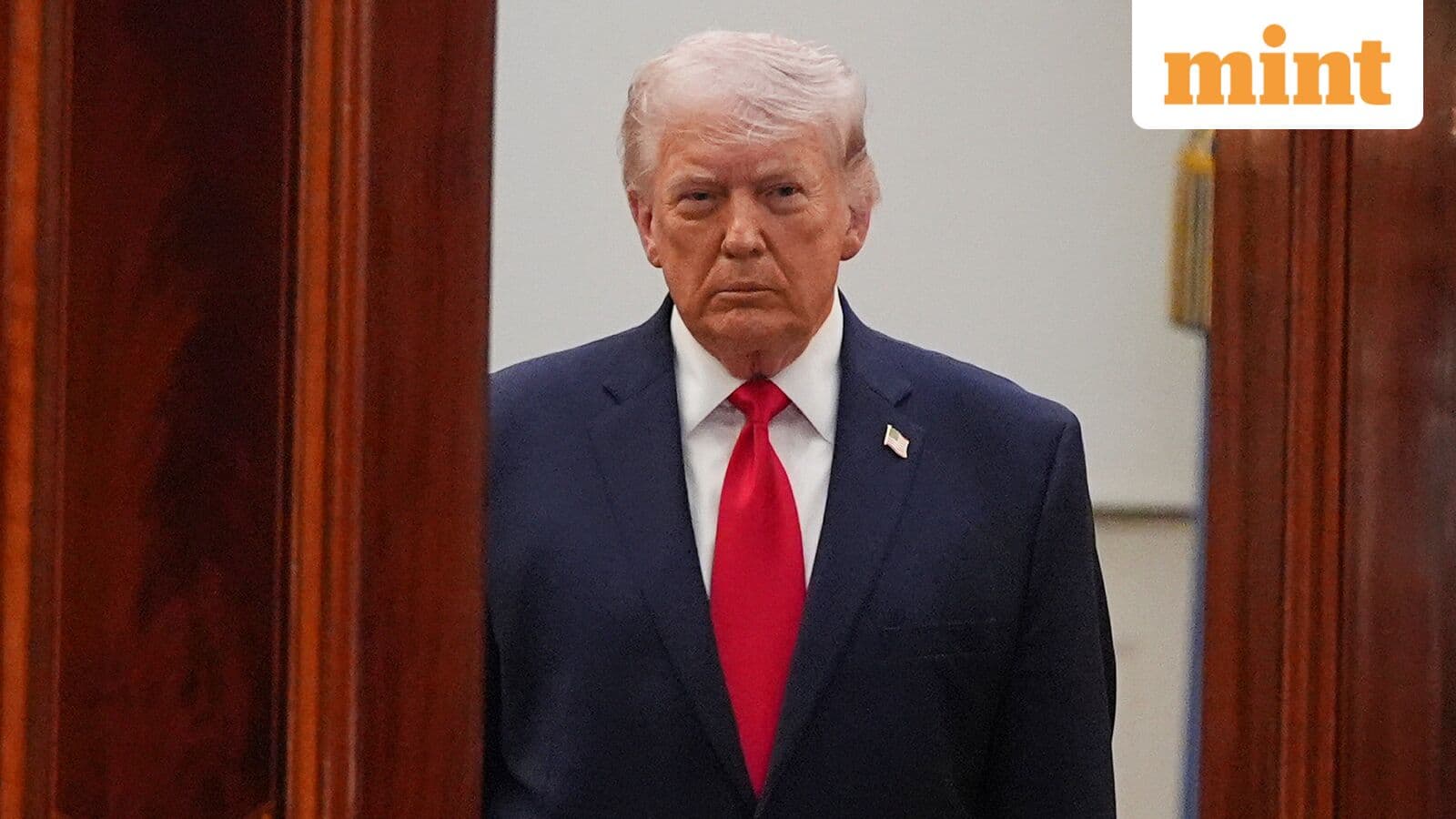
  • Overview of Trump’s Defense Budget Proposal On **Friday**, U.S. President **Donald Trump** presented a staggering **$1.5 trillion** defense budget proposal for the upcoming fiscal year, promising significant increases in military funding while simultaneously advocating for steep cuts to domestic programs. If sanctioned, this budget would represent the largest single-year rise in military spending since the conclusion of **World War II**, according to **Reuters**.
  • Major Increases in Military Spending The proposed budget emphasizes substantial funding boosts in vital sectors under the auspices of the **Department of Defense**. The administration aims to channel resources into enhancing military capabilities, advanced research and development, and ensuring operational readiness. A report by **Politico** highlights that these investments are strategically targeted to counteract potential threats, particularly from **China** in the **Indo-Pacific** region.
  • Domestic Cuts Raised Concerns Despite the ambitious military spending plans, the proposal has already faced backlash from **Democrats**, who expressed their reluctance to support such a hefty budget, particularly when juxtaposed against significant cuts to domestic initiatives. The planned reductions target critical environmental programs across various federal agencies, raising eyebrows among lawmakers.
  • Congressional Debate on Budget Priorities As the **budget request** heads into Congress for discussion in the coming weeks, it is set to ignite extensive debate over the nation’s spending priorities. Lawmakers are faced with the challenge of balancing national security needs against the pressing requirements for domestic investments.
  • Why It Matters This defense budget proposal is more than just numbers; it reflects a critical juncture in U.S. military and domestic policy. The stark contrast between military funding and domestic program cuts highlights ongoing tensions regarding national security versus social welfare. As the nation grapples with pressing issues like climate change and public health, the implications of such a budget could resonate well beyond the fiscal year.
  • Forward-Looking Analysis: What’s Next? As this budget proposal moves through Congress, stakeholders will be watching closely for potential amendments and compromises. Key points to monitor include: - How lawmakers from both parties respond to the proposed cuts in domestic programs. - Potential adjustments to military spending levels and areas of focus. - The overall impact on bipartisan cooperation and future funding negotiations.

Overview of Trump’s Defense Budget Proposal On **Friday**, U.S. President **Donald Trump** presented a staggering **$1.5 trillion** defense budget proposal for the upcoming fiscal year, promising significant increases in military funding while simultaneously advocating for steep cuts to domestic programs. If sanctioned, this budget would represent the largest single-year rise in military spending since the conclusion of **World War II**, according to **Reuters**.

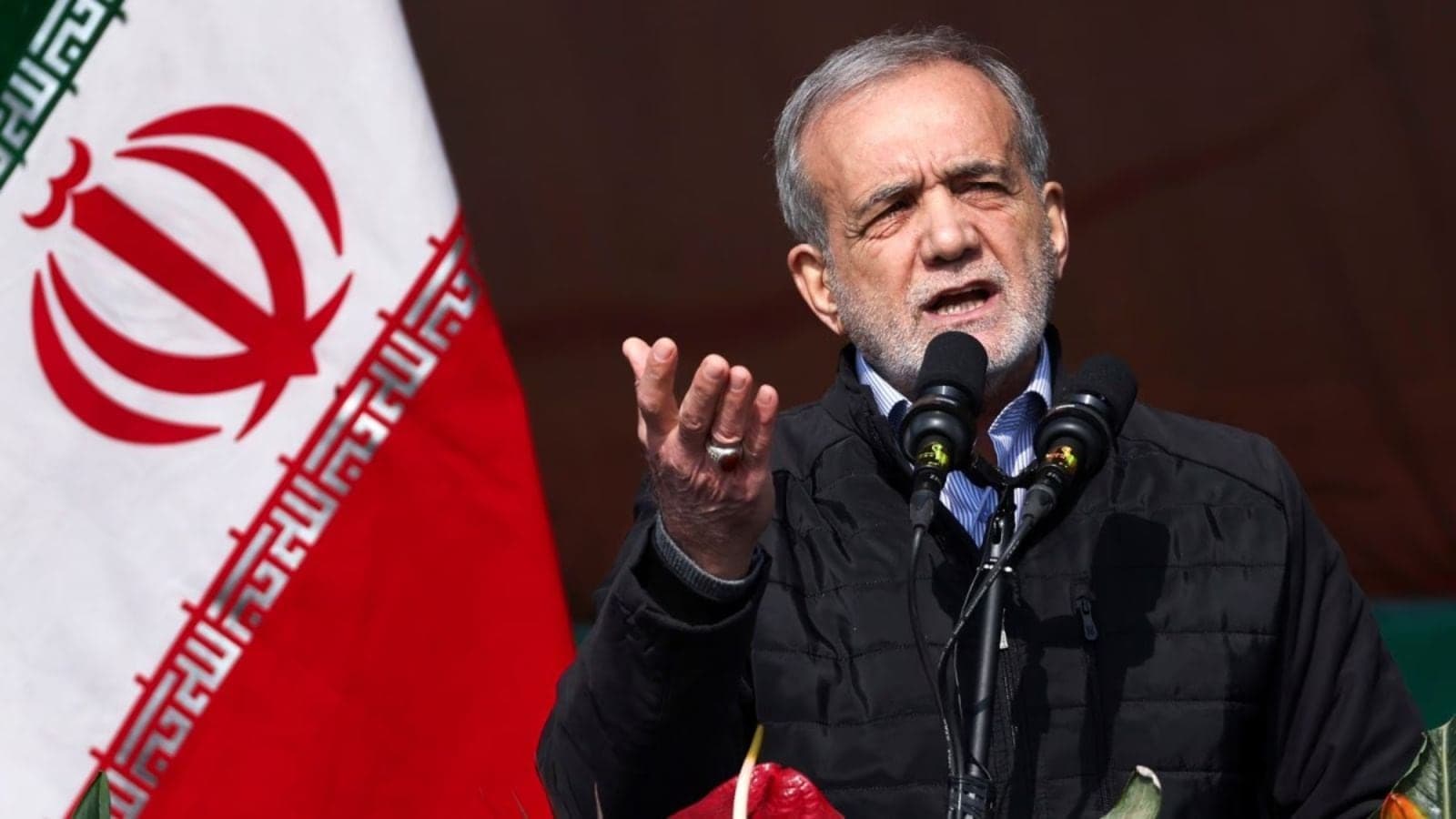
As the conflict with Iran stretches into its fifth week, the financial implications for the U.S. are becoming increasingly evident. Reports indicate that the U.S. has already expended over $40 billion due to the ongoing military engagements, with an alarming $11.3 billion being used in just the first six days and current expenditures averaging around $1 billion per day, as tracked by the Iran Cost Ticker.

Major Increases in Military Spending The proposed budget emphasizes substantial funding boosts in vital sectors under the auspices of the **Department of Defense**. The administration aims to channel resources into enhancing military capabilities, advanced research and development, and ensuring operational readiness. A report by **Politico** highlights that these investments are strategically targeted to counteract potential threats, particularly from **China** in the **Indo-Pacific** region.

The Trump administration’s strategy also includes replenishing weapon stocks that have been severely diminished by recent conflicts in Israel, Iran, and Ukraine. This focus underscores a commitment to maintaining a robust military posture and readiness in a rapidly evolving global landscape.

Domestic Cuts Raised Concerns Despite the ambitious military spending plans, the proposal has already faced backlash from **Democrats**, who expressed their reluctance to support such a hefty budget, particularly when juxtaposed against significant cuts to domestic initiatives. The planned reductions target critical environmental programs across various federal agencies, raising eyebrows among lawmakers.

Key points of contention include: - Elimination of approximately $15 billion in grants for renewable energy technology development. - A cut of $4 billion from transportation funds aimed at enhancing infrastructure for electric vehicle charging. - A general reduction of 10% in non-defense spending, including a $73 billion decrease in federal programs outside of military funding.

These proposed cuts have sparked heated debates, especially since they coincide with an unprecedented increase in Pentagon funding, as reported by Politico.

Congressional Debate on Budget Priorities As the **budget request** heads into Congress for discussion in the coming weeks, it is set to ignite extensive debate over the nation’s spending priorities. Lawmakers are faced with the challenge of balancing national security needs against the pressing requirements for domestic investments.

Critics have raised concerns that prioritizing military spending at the expense of social programs could have long-term implications for citizens, particularly in areas such as healthcare, education, and environmental efforts. The administration’s perceived disregard for these vital sectors could lead to increased polarization in Congress as negotiations unfold.

Why It Matters This defense budget proposal is more than just numbers; it reflects a critical juncture in U.S. military and domestic policy. The stark contrast between military funding and domestic program cuts highlights ongoing tensions regarding national security versus social welfare. As the nation grapples with pressing issues like climate change and public health, the implications of such a budget could resonate well beyond the fiscal year.

Forward-Looking Analysis: What’s Next? As this budget proposal moves through Congress, stakeholders will be watching closely for potential amendments and compromises. Key points to monitor include: - How lawmakers from both parties respond to the proposed cuts in domestic programs. - Potential adjustments to military spending levels and areas of focus. - The overall impact on bipartisan cooperation and future funding negotiations.

The unfolding situation will likely set the tone for future budget discussions and could influence the political landscape leading up to the next election cycle. Citizens and policymakers alike must stay informed as these developments evolve.

Stay tuned as we continue to track this significant budget proposal and its ramifications across the military and domestic sectors.

Did you find this article useful? Share it!

Share

Related Articles

Shocking Allegations: Greek Police Using Migrants for Pushbacks
Politics
Apr 14, 2026

Shocking Allegations: Greek Police Using Migrants for Pushbacks

Uncovered evidence reveals Greek police allegedly recruiting migrants to push others back to Turkey, raising serious human rights concerns.

BBC World
Breaking: Eric Swalwell Resigns Amid Sexual Misconduct Claims
Politics
Apr 14, 2026

Breaking: Eric Swalwell Resigns Amid Sexual Misconduct Claims

Eric Swalwell resigns from Congress amid sexual misconduct allegations, raising questions about accountability in politics and impacting California's governor race.

BBC World
Shocking Charges: Spanish PM's Wife Begoña Gómez Accused of Corruption
Politics
Apr 14, 2026

Shocking Charges: Spanish PM's Wife Begoña Gómez Accused of Corruption

Spanish PM Pedro Sánchez's wife, Begoña Gómez, faces serious corruption charges after a two-year investigation, raising questions about political ethics.

BBC World

Categories

  • World
  • Technology
  • Business
  • Sports

More

  • Entertainment
  • Science
  • Health
  • Politics

Explore

  • Web Stories
  • About Us
  • Contact

Legal

  • Privacy Policy
  • Terms of Service

© 2026 Glipzo. All rights reserved.