
Image: BBC World
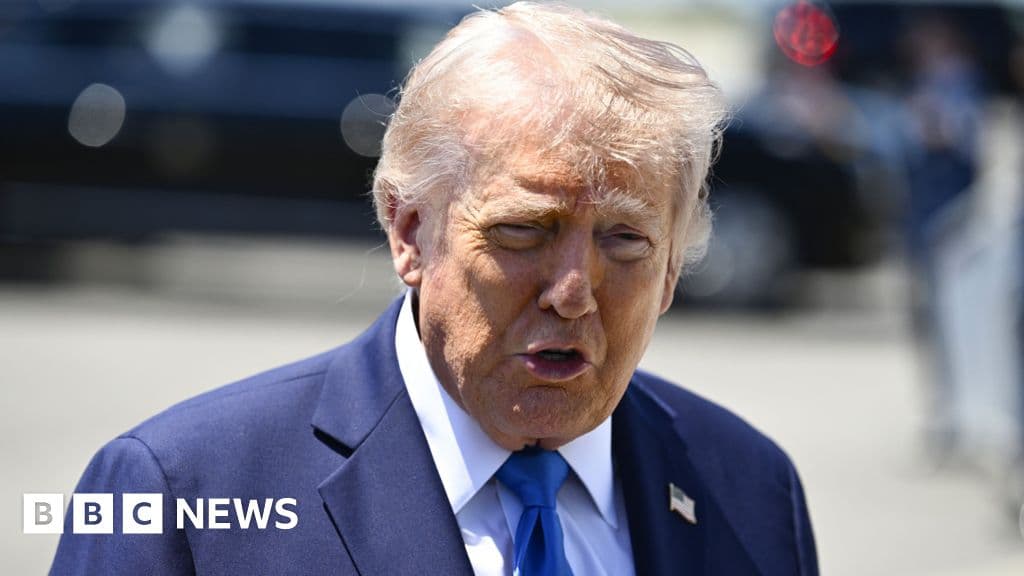
Trump abruptly cancels US envoys' trip to Pakistan for Iran war talks, questioning Iran's diplomatic seriousness amid rising tensions.
GlipzoIn a surprising turn of events, President Donald Trump has called off a planned diplomatic trip by U.S. envoys to Pakistan aimed at negotiating an end to the escalating Iran war. This decision came just hours after a delegation from Tehran concluded talks in Islamabad. The abrupt cancellation raises questions about the future of U.S.-Iran relations and the ongoing conflict in the region.
The U.S. President expressed his belief that the participation of special envoy Steve Witkoff and his son-in-law Jared Kushner would result in a waste of valuable time. He stated, "If Iran wants to talk, all they have to do is call," indicating a reluctance to engage in further negotiations without a clear commitment from Tehran.
The backdrop to this diplomatic impasse is a series of stalled negotiations. On April 22, Trump had extended a ceasefire to enable discussions, but progress has remained elusive. Iranian Foreign Minister Abbas Aragchi met with Pakistani officials, reiterating Iran’s stance on the conflict but expressing skepticism about U.S. intentions for true diplomatic engagement.
The conflict primarily revolves around control of the Strait of Hormuz, a crucial shipping lane where 20% of the world’s oil is transported. Since February, tensions escalated following military strikes by the U.S. and Israel against Iranian positions, prompting Tehran to restrict navigation in this strategic waterway.
When discussing the cancellation, Trump highlighted the internal struggles within Iran’s leadership, stating, "There is tremendous infighting and confusion. Nobody knows who is in charge, including them." He conveyed a sense of confidence in the U.S. position, asserting, "We have all the cards; they have none!"
Despite the setback, Trump maintained that the ceasefire would persist, downplaying the possibility of renewed hostilities. He told Axios, "No, it doesn't mean that. We haven't thought about it yet." This statement reflects his administration's ongoing attempts to navigate the complex geopolitical landscape involving Iran.
Iran, for its part, has shown openness to dialogue but insists that U.S. actions—such as sanctions and military threats—hinder genuine negotiations. President Masoud Pezeshkian has previously articulated that these obstacles complicate the pathway to peace.
Aragchi's recent diplomatic mission included visits to both Oman and Russia, where he shared Iran's perspective on establishing a sustainable framework to end the conflict. He described his discussions in Pakistan as "fruitful," although he remained cautious about the U.S. commitment to diplomacy.
The turmoil surrounding U.S.-Iran negotiations is compounded by violence in neighboring Lebanon, where Israeli airstrikes reportedly killed four individuals amid ongoing clashes with Hezbollah. These developments underscore the fragile nature of peace in the region, where ceasefires are frequently tested.
Israeli Prime Minister Benjamin Netanyahu has directed military forces to intensify their operations against Hezbollah, a clear signal that regional conflicts may escalate despite diplomatic overtures elsewhere.
As the situation unfolds, several key factors will determine the trajectory of U.S.-Iran relations: - The potential for renewed talks, contingent on Iranian willingness to engage. - The role of mediating nations like Pakistan in facilitating dialogue. - Ongoing military actions and their impact on public opinion in both Iran and the U.S.
The cancellation of the U.S. envoys' trip to Pakistan serves as a stark reminder of the complexities and unpredictability of international diplomacy in the Middle East. Observers will be closely monitoring the actions of both nations as they navigate this turbulent landscape, weighing the consequences of continued conflict against the hope for peace.
In conclusion, the diplomatic efforts related to the Iran war are at a critical juncture. As both sides reassess their strategies, the world watches closely, anticipating the next moves that could either pave the way for resolution or lead to further hostilities.

Tensions soar as the US and Iran engage in air strikes near the Strait of Hormuz, raising concerns over global oil supply and regional stability.
BBC World
Trump's international interventions face serious stalemates. What will this mean for U.S. foreign policy? Explore the critical challenges ahead.
Indian Express
Tehran denies resignation of President Masoud Pezeshkian amid claims of IRGC influence. What does this mean for Iran's political stability? Click to learn more!
Indian Express