
Image: BBC World
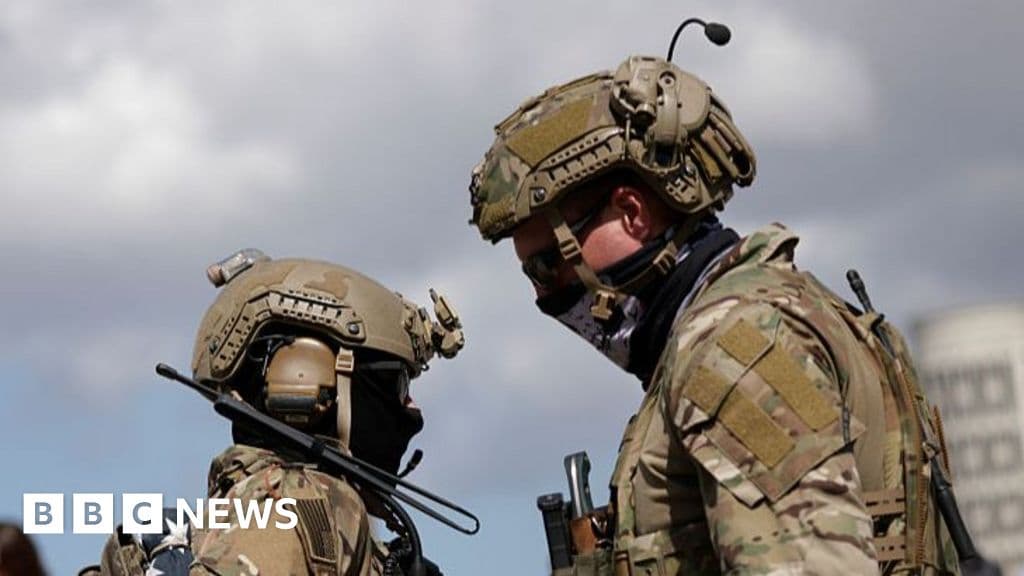
Trump announces deployment of 5,000 troops to Poland, raising questions about U.S. military strategy in Europe amidst ongoing tensions with Russia.
GlipzoIn a surprising move, President Donald Trump announced that the United States will deploy an additional 5,000 troops to Poland. This decision comes just a week after the Pentagon canceled plans to send 4,000 troops to the Eastern European nation, raising questions about the strategic military positioning of U.S. forces in Europe.
Writing on his social media platform, Truth Social, Trump emphasized that this decision stemmed from his support for Polish President Karol Nawrocki, who won the presidency last year with Trump’s endorsement. While no further details were provided about whether these additional troops are part of the previous plans or represent a new operation, the announcement highlights the shifting dynamics of U.S. military involvement in Europe.
The timing of this announcement is crucial, as the White House has signaled a potential decrease in overall troop levels in Europe, aligning with Trump’s “America First” foreign policy agenda. Earlier this month, the administration revealed intentions to withdraw 5,000 troops from Germany, a decision that sparked controversy, particularly following Trump's public disagreements with German Chancellor Friedrich Merz over the ongoing tensions with Iran.
Here are some key points regarding the troop deployments: - The U.S. military presence in Germany includes over 36,000 active-duty troops, significantly more than the approximately 12,000 stationed in Italy and 10,000 in the United Kingdom. - Trump’s criticism of NATO allies has also surfaced, particularly regarding their reluctance to support U.S. efforts to pressure Iran amidst rising global tensions. - It remains unclear whether the newly announced troops for Poland are part of those withdrawing from Germany or represent a distinct group entirely.
As the announcement unfolds, NATO foreign ministers are set to convene in Sweden for an important summit, which will include discussions led by U.S. Secretary of State Marco Rubio. Rubio is expected to advocate for increased burden-sharing among NATO allies, a topic that has been a consistent point of contention for Trump, who has voiced his frustration over European countries not contributing enough towards shared defense responsibilities.
Ahead of the summit, Rubio faced inquiries from the BBC regarding unconfirmed reports about a potential reduction in U.S. troop levels, which could affect military readiness to respond to attacks on NATO members. He indicated that these matters would be on the agenda, reinforcing Trump’s discontent with NATO allies.
The implications of the U.S. troop movements are significant. The decision to bolster the military presence in Poland may be viewed as a strategic response to heightened tensions with Russia and the ongoing conflict in Ukraine. Nawrocki, a staunch supporter of Trump, has previously stated that Trump is the only leader capable of effectively countering Vladimir Putin and bringing an end to the war in Ukraine.
Despite Trump’s historical criticisms of NATO, Nawrocki maintains that the U.S. remains the essential guarantor of security in Europe, a sentiment echoed by many European leaders who are concerned about Russian aggression.
As the geopolitical landscape continues to evolve, all eyes will be on the outcomes of the NATO summit and any further developments regarding U.S. troop deployments. Lawmakers from both parties have expressed concerns over the ramifications of troop withdrawals from Germany, suggesting that these actions may embolden Russia.
Looking ahead, it is essential to monitor: - The outcomes of discussions at the NATO summit and any resolutions regarding troop contributions. - How the situation in Ukraine develops in response to increased U.S. military presence in Poland. - The reaction from European allies regarding the U.S. military strategy in the region and whether it will prompt a reassessment of their defense spending. - Trump’s ongoing influence over U.S. foreign policy as he prepares for the upcoming elections, as military strategy remains a pivotal issue among voters.
In conclusion, the announcement of deploying 5,000 troops to Poland signals a significant shift in U.S. military strategy in Europe, raising questions about the future of NATO, U.S.-European relations, and the ongoing conflict with Russia. As this situation unfolds, it will be critical to understand its implications on global security and military readiness.

Tensions soar as the US and Iran engage in air strikes near the Strait of Hormuz, raising concerns over global oil supply and regional stability.
BBC World
Trump's international interventions face serious stalemates. What will this mean for U.S. foreign policy? Explore the critical challenges ahead.
Indian Express
Tehran denies resignation of President Masoud Pezeshkian amid claims of IRGC influence. What does this mean for Iran's political stability? Click to learn more!
Indian Express