
Image: BBC World
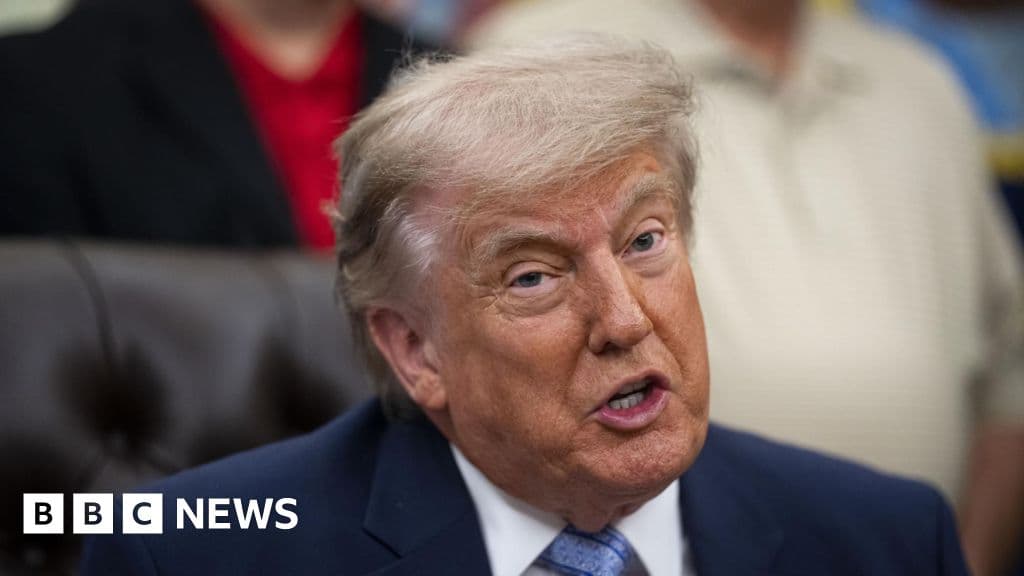
Trump announces a 'largely negotiated' Iran deal including the reopening of the vital Strait of Hormuz. What comes next in this evolving situation?
GlipzoIn a surprising announcement, U.S. President Donald Trump revealed that a significant agreement with Iran has been "largely negotiated" and is expected to be unveiled soon. During a press briefing on Saturday, Trump emphasized that this deal would notably include the reopening of the Strait of Hormuz, a vital waterway for global oil shipments. However, he did not provide further specifics regarding the terms or the timeline for the announcement.
The Strait of Hormuz is a crucial passage for approximately 20% of the world's oil supply, making any developments there crucial for both regional and global economies. Trump's comments come amid a backdrop of ongoing tensions in the Middle East, particularly following military strikes by the U.S. and Israel against Iran in late February, which escalated conflicts in the region.
Iranian Foreign Ministry spokesman Esmaeil Baqaei acknowledged that there have been some positive shifts in U.S. and Iranian negotiations over the past week. However, he cautioned that this convergence does not guarantee that all key issues will be resolved, criticizing the U.S. for its "contradictory statements" during the talks. Baqaei stated that Iran's goal is to reach a comprehensive agreement, which they are working to finalize in the form of a framework consisting of 14 points.
In a related development, Trump took to social media to share that he had a fruitful conversation with leaders from Saudi Arabia, the United Arab Emirates, and Qatar regarding a Memorandum of Understanding aimed at promoting peace in the region. "An agreement has been largely negotiated, subject to finalization between the United States of America, the Islamic Republic of Iran, and the various other Countries, as listed," Trump stated.
On the same day, Trump also spoke with Israeli Prime Minister Benjamin Netanyahu, reporting that their conversation went well. The backdrop of these discussions is crucial, as both nations share concerns about Iran's nuclear ambitions. Trump has consistently stated that any agreement must "absolutely" ensure that Iran cannot develop nuclear weapons.
Despite the optimistic tone from Trump, there are still undercurrents of concern. Reports from anonymous U.S. officials suggested that the administration might be preparing for renewed military action, although no definitive plans had been confirmed. This signal of potential military action contrasts sharply with the diplomatic overtures being made.
Since agreeing to a ceasefire in early April, Iran and the United States have engaged in discussions aimed at establishing a long-term peace deal. The ceasefire followed a series of retaliatory strikes that raised alarm across the Middle East, resulting in heightened tensions and military posturing from both sides.
U.S. Central Command (Centcom) reported that since the blockade of Iranian ports began on April 13, they have redirected 100 vessels, disabled four, and allowed 26 humanitarian aid ships to pass through. This blockade aims to economically squeeze Iran, which has been facing increasing sanctions and military pressure from the U.S. and its allies.
Adding to the tension, Iran has asserted military control over areas surrounding the Strait of Hormuz, claiming that any shipping through the strait must be coordinated with its authorities. This claim has been met with fierce resistance from the U.S. and its Gulf allies, who have firmly rejected Iran's attempts to dominate the strategic waterway. The U.S. has publicly advised vessels not to adhere to Iran's regulations.
The fluctuating dynamics in the region underscore the fragility of the current situation. While discussions between the U.S. and Iran may signal a desire for peace, military readiness on both sides continues to loom as a significant factor in these negotiations.
As we look ahead, the international community will be watching closely to see how these negotiations unfold. The potential reopening of the Strait of Hormuz and the details of the proposed agreement could have far-reaching implications on global oil markets and geopolitical stability.
Some key points to monitor include: - Finalization of the agreement: Will all parties reach a consensus on the 14-point framework? - Continued U.S. military posture: Will the U.S. maintain its current blockade and military readiness? - Regional reactions: How will neighboring countries respond to these developments? - Domestic pressures: How will U.S. domestic politics influence Trump's negotiation strategy?
The coming weeks are critical for U.S.-Iran relations, and any progress—or setbacks—could significantly impact peace in the Middle East and beyond. The road to peace remains fraught with challenges, but the recent diplomatic activity indicates a willingness from both sides to engage in dialogue, which is a positive step forward.

Tensions soar as the US and Iran engage in air strikes near the Strait of Hormuz, raising concerns over global oil supply and regional stability.
BBC World
Trump's international interventions face serious stalemates. What will this mean for U.S. foreign policy? Explore the critical challenges ahead.
Indian Express
Tehran denies resignation of President Masoud Pezeshkian amid claims of IRGC influence. What does this mean for Iran's political stability? Click to learn more!
Indian Express