
Glipzo
WorldTechnologyBusinessSportsEntertainmentScienceHealthPolitics
Glipzo
WorldTechnologyBusinessSportsEntertainmentScienceHealthPolitics
  1. Home
  2. /
  3. Politics
  4. /
  5. Trump Rejects Iran's Proposal to End War as 'Unacceptable'
Trump Rejects Iran's Proposal to End War as 'Unacceptable'

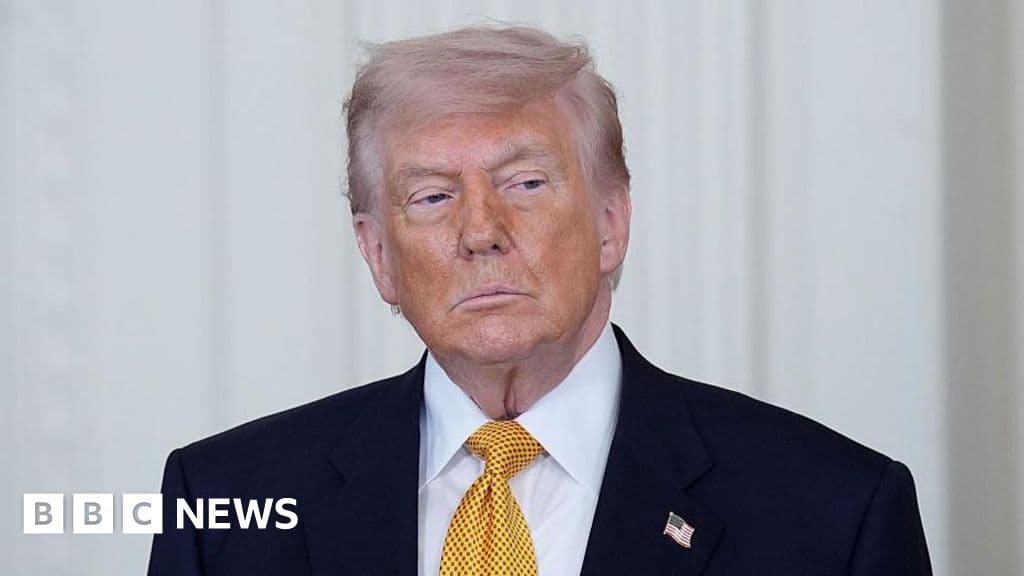
Image: BBC World

Politics
Monday, May 11, 20264 min read

Trump Rejects Iran's Proposal to End War as 'Unacceptable'

Trump calls Iran's response to peace proposals 'totally unacceptable', raising tensions in the ongoing conflict. What happens next?

Glipzo News Desk|Source: BBC World
Share
Glipzo

Key Highlights

  • Trump rejects Iran's peace proposal as 'totally unacceptable.'
  • Iran demands end to U.S. naval blockade in conflict response.
  • Netanyahu insists on dismantling Iran's uranium stockpile.
  • Tensions escalate in the Strait of Hormuz amid military threats.
  • UK and France plan naval mission to protect shipping routes.

In this article

  • The Proposal and Its Implications Iran's proposal included a call for an immediate cessation of hostilities, a halt to the U.S. naval blockade, and assurances against future attacks on Iranian soil. This proposal comes in the wake of a fragile ceasefire that has largely been maintained since **February**, despite sporadic skirmishes between the involved parties.
  • Trump's Reaction and the U.S. Stance In a post on **Truth Social**, Trump expressed his discontent with the Iranian response, stating, "I have just read the response from Iran's so-called 'Representatives.' I don't like it - TOTALLY UNACCEPTABLE." This stark dismissal reflects the ongoing diplomatic friction and highlights the challenges of reaching a consensus in the region.
  • The Strait of Hormuz: A Crucial Waterway Iran's control over the **Strait of Hormuz** has been a focal point of the conflict, as approximately **20%** of the world’s oil and natural gas flows through this vital passage. Iran has issued threats against vessels that comply with U.S. sanctions, warning that such actions could lead to severe repercussions. **Mohammad Akraminia**, a military spokesman, stated that the U.S. attempts to blockade the strait would be futile.
  • Iran's Warnings and Regional Dynamics Iran has reacted strongly to the potential deployment of British and French naval forces in the strait, warning that it would take a decisive and immediate action against any foreign vessels. Macron clarified that France's intentions do not include a military presence but rather a security mission that would involve coordination with Iran.
  • What Lies Ahead: An Uncertain Future As the U.S. and Iran continue to navigate this complex geopolitical landscape, the potential for escalation remains high. With both sides holding firm on their respective positions, the chances for a peaceful resolution appear slim.
  • Why It Matters The outcome of these discussions is not just pivotal for the U.S. and Iran, but it has far-reaching implications for global oil markets, regional stability, and international diplomatic relations. As the situation evolves, it is essential for stakeholders to remain engaged and seek pathways to de-escalation.

In a significant escalation of tensions, President Donald Trump has firmly rejected Iran's recent response to the United States' proposals aimed at concluding the ongoing conflict in the region. Describing Iran's reply as 'totally unacceptable,' Trump made these remarks following a statement from Iran's Tasnim news agency, which reported that Tehran had sent a proposal through Pakistan, a mediator in the discussions.

The Proposal and Its Implications Iran's proposal included a call for an immediate cessation of hostilities, a halt to the U.S. naval blockade, and assurances against future attacks on Iranian soil. This proposal comes in the wake of a fragile ceasefire that has largely been maintained since **February**, despite sporadic skirmishes between the involved parties.

Earlier this week, President Trump reiterated his belief that the war would conclude swiftly, claiming that the U.S. would take decisive action to ensure peace. However, Israeli Prime Minister Benjamin Netanyahu emphasized that any resolution requires dismantling Iran's enriched uranium stockpile. In a preview of an interview set to air on CBS's '60 Minutes,' Netanyahu stated, "There's still enrichment sites that have to be dismantled."

Iranian President Masoud Pezeshkian responded indirectly to the U.S. proposals, asserting that Iran would never submit to enemy demands. He emphasized that discussions about negotiations should not be mistaken for capitulation.

Trump's Reaction and the U.S. Stance In a post on **Truth Social**, Trump expressed his discontent with the Iranian response, stating, "I have just read the response from Iran's so-called 'Representatives.' I don't like it - TOTALLY UNACCEPTABLE." This stark dismissal reflects the ongoing diplomatic friction and highlights the challenges of reaching a consensus in the region.

According to Axios, the U.S. memorandum consists of 14 points that include critical proposals such as suspending Iranian nuclear enrichment, lifting economic sanctions, and ensuring free navigation through the Strait of Hormuz. However, the effectiveness of these provisions is contingent upon Iran agreeing to a comprehensive deal.

The Strait of Hormuz: A Crucial Waterway Iran's control over the **Strait of Hormuz** has been a focal point of the conflict, as approximately **20%** of the world’s oil and natural gas flows through this vital passage. Iran has issued threats against vessels that comply with U.S. sanctions, warning that such actions could lead to severe repercussions. **Mohammad Akraminia**, a military spokesman, stated that the U.S. attempts to blockade the strait would be futile.

Moreover, the U.S. has been reinforcing its naval presence in the Gulf, with military bases established in countries like Qatar, Bahrain, Kuwait, the UAE, Saudi Arabia, and Oman. In response to the escalating tensions, the British Royal Navy announced plans to deploy a warship to the Middle East as part of an international mission to secure shipping routes. UK Prime Minister Sir Keir Starmer and French President Emmanuel Macron are leading efforts to coordinate this mission, which will only commence after the fighting subsides.

Iran's Warnings and Regional Dynamics Iran has reacted strongly to the potential deployment of British and French naval forces in the strait, warning that it would take a decisive and immediate action against any foreign vessels. Macron clarified that France's intentions do not include a military presence but rather a security mission that would involve coordination with Iran.

Compounding these tensions, the UK's Maritime Trade Operations Centre reported that a bulk carrier was struck by an unknown projectile near Doha, Qatar, resulting in a small fire but no casualties. Iranian sources indicated that the vessel was likely sailing under the U.S. flag, further complicating the situation.

What Lies Ahead: An Uncertain Future As the U.S. and Iran continue to navigate this complex geopolitical landscape, the potential for escalation remains high. With both sides holding firm on their respective positions, the chances for a peaceful resolution appear slim.

The international community is watching closely, and the actions of key players, including the U.S., Israel, and Iran, will shape the future of the region. The coming weeks will be critical as diplomatic efforts continue amidst rising tensions and potential military confrontations.

Why It Matters The outcome of these discussions is not just pivotal for the U.S. and Iran, but it has far-reaching implications for global oil markets, regional stability, and international diplomatic relations. As the situation evolves, it is essential for stakeholders to remain engaged and seek pathways to de-escalation.

In summary, the rejection of Iran's proposals by President Trump signifies a critical juncture in U.S.-Iran relations. With the potential for conflict looming, the world watches closely for any signs of progress or further deterioration in this high-stakes geopolitical standoff.

Did you find this article useful? Share it!

Share

Related Articles

Critical Air Strikes Erupt Between US and Iran in Gulf Region
Politics
Jun 1, 2026

Critical Air Strikes Erupt Between US and Iran in Gulf Region

Tensions soar as the US and Iran engage in air strikes near the Strait of Hormuz, raising concerns over global oil supply and regional stability.

BBC World

Trump Faces Stalemate in International Military Strategy
Politics
Jun 1, 2026

Trump Faces Stalemate in International Military Strategy

Trump's international interventions face serious stalemates. What will this mean for U.S. foreign policy? Explore the critical challenges ahead.

Indian Express

Tehran Denies Rumors of President Pezeshkian’s Resignation
Politics
Jun 1, 2026

Tehran Denies Rumors of President Pezeshkian’s Resignation

Tehran denies resignation of President Masoud Pezeshkian amid claims of IRGC influence. What does this mean for Iran's political stability? Click to learn more!

Indian Express

Categories

  • World
  • Technology
  • Business
  • Sports

More

  • Entertainment
  • Science
  • Health
  • Politics

Explore

  • Web Stories
  • About Us
  • Contact

Legal

  • Privacy Policy
  • Terms of Service
  • Disclaimer

© 2026 Glipzo. All rights reserved.