
Image: Mint (Business)
Trump confirms no US ground forces in Iran, emphasizing tech superiority amid escalating Middle East tensions. What’s next for global stability?
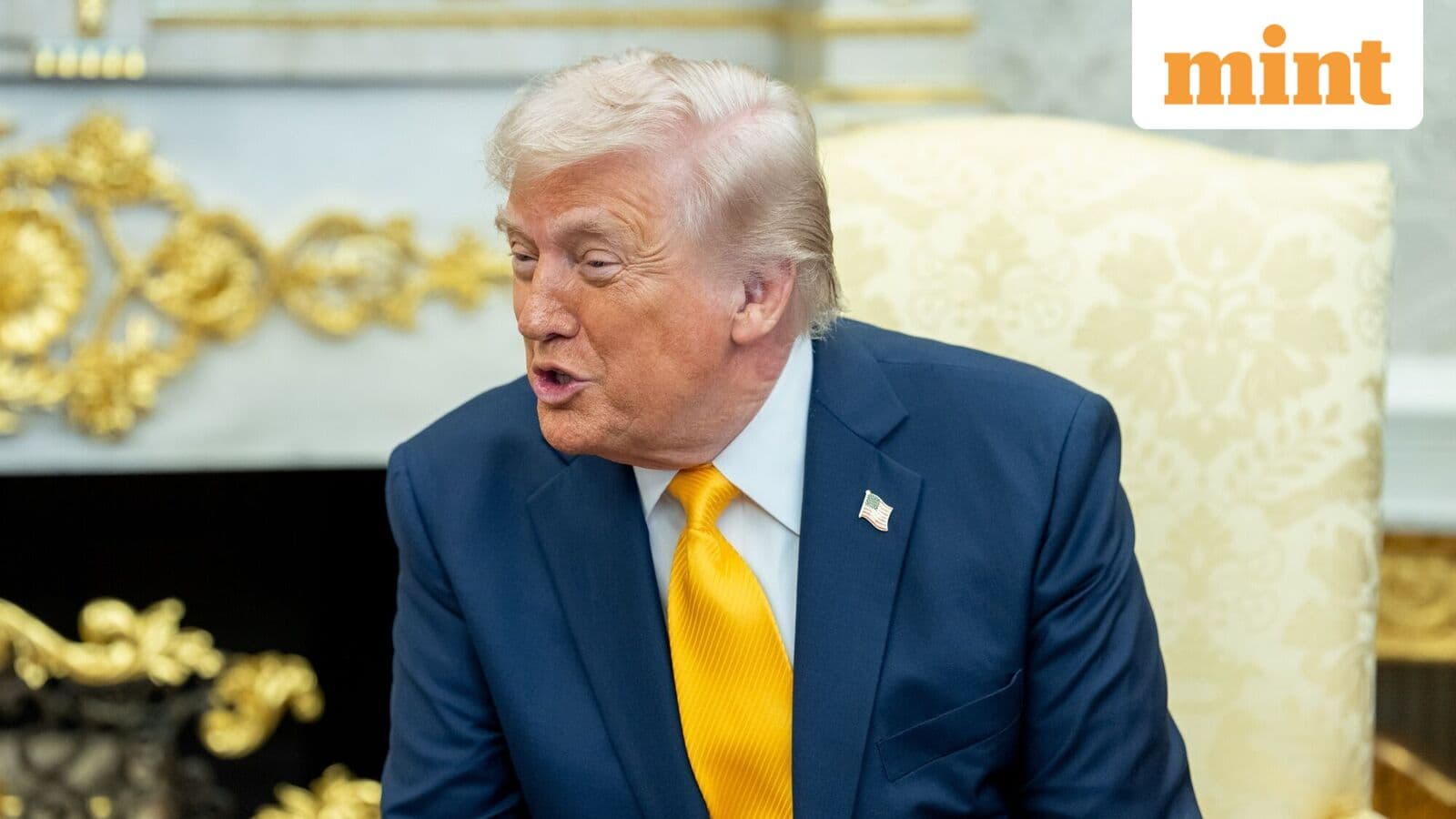
GlipzoAmid rising tensions in the Middle East, President Donald Trump has made a definitive statement regarding U.S. military involvement in the ongoing conflict with Iran. During a press conference on October 12, 2023, alongside Japanese Prime Minister Sanae Takaichi, Trump emphasized that he will not deploy American ground troops, despite escalating violence and international concern.
In response to growing speculation about potential troop commitments, Trump was unequivocal: "No, I am not putting troops anywhere. If I were, I certainly wouldn't tell you." This statement comes as the U.S. and Israel conduct military operations aimed at countering Iran's aggressive actions in the region, particularly following the assassination of Iran's Supreme Leader Ayatollah Ali Khamenei in late February.
The implications of Trump's comments are significant. With the Strait of Hormuz under threat—where nearly 20% of the world's oil passes through—navigating this conflict without ground forces is a bold strategy. The president's approach focuses on leveraging U.S. technological superiority to conduct defensive operations rather than engaging in large-scale military actions.
During the briefing, Trump underscored the capabilities of the U.S. military, stating, "We have the strongest military in the world. We have the best equipment." He cited a recent incident where 114 rockets were intercepted successfully, showcasing the effectiveness of American defense systems.
Trump framed these military actions as critical for maintaining global stability, portraying Iran as a serious threat that endangers not just the Middle East but the entire world. "Iran is a serious threat to the world, to the Middle East and to everybody, and everybody agrees with me," he asserted.
The backdrop of this conflict traces back to February 28, 2023, when joint U.S.-Israeli strikes led to the death of Khamenei. Iran's subsequent retaliation included missile and drone attacks on both U.S. and Israeli assets, leading to significant disruptions in shipping routes and heightening tensions across the Gulf region.
Iran's aggressive actions have included effectively shutting down the Strait of Hormuz through threats and attacks on vessels, creating ripples in global energy markets. As a result, oil prices have surged, prompting widespread economic concerns worldwide.
Following Khamenei's death, his son, Mojtaba Khamenei, assumed leadership amid ongoing military operations targeting Iranian infrastructure. This transition in leadership may complicate diplomatic resolutions, as the new Supreme Leader may take a more aggressive stance in response to the perceived threats from the U.S. and its allies.
Trump's assurance against deploying ground troops serves a dual purpose: it aims to reassure both international allies and financial markets amid growing uncertainty. As naval forces continue to operate in the region, the president insists that the mission will lead to a safer Middle East, although the specifics of this path remain unclear.
As the situation in the Middle East continues to evolve, the global community is left watching closely. The effectiveness of U.S. technology and strategy will be put to the test in the coming months. Key factors to monitor include: - Iran’s response to ongoing military operations and its potential retaliatory measures. - The impact on global oil prices and supply chains, especially if the Strait of Hormuz remains threatened. - Developments in U.S.-Iran relations and any potential diplomatic efforts that may arise.
In summary, while Trump's stance against ground troops may provide temporary relief from concerns over escalating military engagement, the complexities of the situation suggest that the challenges in the Middle East are far from resolved. As both sides navigate this precarious landscape, the world watches and waits for the next chapter in this unfolding conflict.

Tensions soar as the US and Iran engage in air strikes near the Strait of Hormuz, raising concerns over global oil supply and regional stability.
BBC World
Trump's international interventions face serious stalemates. What will this mean for U.S. foreign policy? Explore the critical challenges ahead.
Indian Express
Tehran denies resignation of President Masoud Pezeshkian amid claims of IRGC influence. What does this mean for Iran's political stability? Click to learn more!
Indian Express