
Image: BBC World
Trump reveals willingness to accept a 20-year suspension of Iran's nuclear program, signaling a shift in U.S. policy amidst rising tensions.
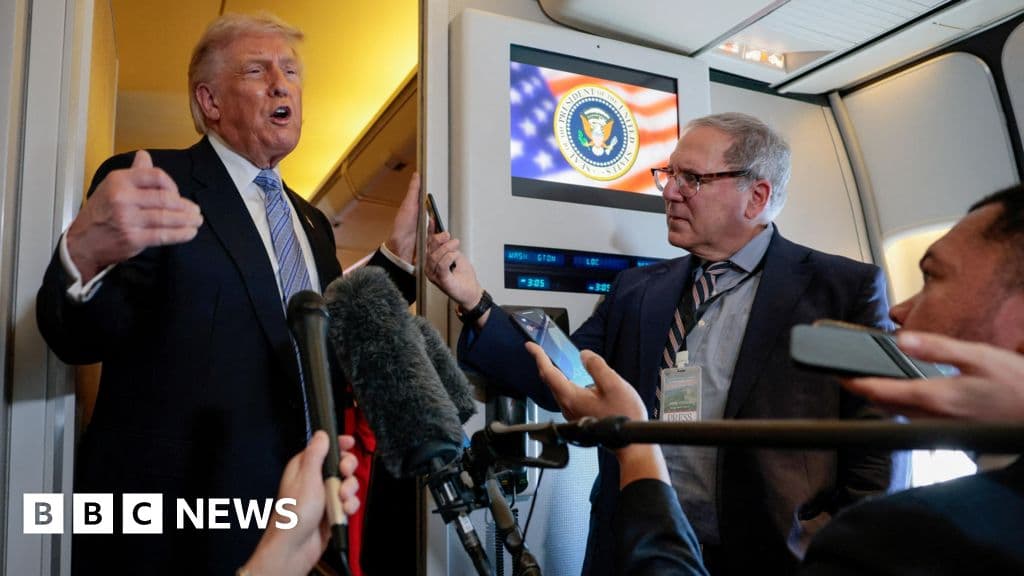
GlipzoIn a noteworthy change of approach, U.S. President Donald Trump has indicated he would be open to a 20-year suspension of Iran's nuclear program. This statement marks a significant departure from his previous demands for an outright cessation of Iran's nuclear activities. During a recent press briefing aboard Air Force One, Trump emphasized that any agreement must ensure a "real 20 years" of compliance.
Historically, Trump has insisted that Iran must permanently halt its uranium enrichment—an essential step towards developing nuclear weapons. His current statement, however, suggests a willingness to negotiate terms that could potentially allow Iran to resume some nuclear activities after two decades, provided stringent guarantees are established. As tensions escalate, Trump expressed his frustration, noting that his patience with Iran is waning amid stalled negotiations.
The geopolitical landscape has been further complicated by massive air strikes initiated by Israeli and U.S. forces against Iranian targets, commencing on February 28. This military action has occurred despite a ceasefire that was intended to pave the way for renewed talks between the conflicting parties, which has largely held, although there have been minor exchanges of fire.
Pakistan has stepped in as a mediator, although a resolution seems distant as both Iran and the U.S. have dismissed each other's proposals to de-escalate the ongoing conflict. Reports from Iranian media suggest that Tehran's latest proposition included: - An immediate cessation of hostilities on all fronts, particularly concerning Israeli attacks on Hezbollah in Lebanon. - A halt to the U.S. naval blockade of Iranian ports. - Assurances against any future attacks on Iranian territory.
During discussions with Chinese President Xi Jinping in Beijing, Trump reiterated that Iran must not be permitted to develop nuclear weapons and must also reopen the Strait of Hormuz, a critical chokepoint for global oil transport that Iran has been blocking. This obstruction has contributed to rising oil prices worldwide, emphasizing the urgency of resolving the situation.
When questioned about the adequacy of a 20-year nuclear suspension, Trump acknowledged that while he believes this timeframe is sufficient, he emphasized that it must be a “real” commitment from Iran. Interestingly, this mention of a 20-year period appears to be the first time Trump has specified such a duration himself, despite previous discussions involving U.S. officials like Vice-President JD Vance, who had pushed for a minimum of two decades during talks in Islamabad.
This latest development comes on the heels of Trump's withdrawal from the 2015 nuclear agreement established under the Obama administration, which aimed to limit Iran's nuclear capabilities in exchange for the lifting of economic sanctions. One of Trump's primary criticisms of that deal was its “sunset clauses,” which allowed certain provisions to expire, potentially paving the way for Iran to renew its nuclear ambitions.
Israeli Prime Minister Benjamin Netanyahu has remained vocally critical of any deal that allows Iran to retain any level of uranium enrichment. He insists that Iran's stockpile must be significantly reduced before any conflict can be considered resolved. His opposition to the 2015 agreement was largely rooted in concerns that it would leave a pathway for Iran to acquire nuclear weapons, posing a direct threat to Israel’s security.
The potential for a 20-year suspension of Iran's nuclear program represents a critical juncture in U.S.-Iran relations. This shift in tone may open new avenues for dialogue, but it also raises questions about the efficacy of such an agreement. If the U.S. accepts a temporary halt rather than a permanent cessation, it could lead to future nuclear proliferation concerns once the suspension period ends.
As negotiations continue, the international community will be closely monitoring developments. The implications of this situation extend beyond just nuclear capabilities; they encompass regional stability, economic impacts due to oil supply fluctuations, and the ongoing military tensions in the Middle East.
As we move forward, several factors will be crucial in shaping the future of U.S.-Iran relations and global stability: - Will Iran agree to Trump's proposed 20-year suspension, and under what conditions? - How will Israel respond to this potential shift, especially concerning its military strategies? - What role will China and Pakistan play in mediating ongoing tensions? - How will rising global oil prices influence the negotiations and actions of involved nations?
The coming weeks and months will be pivotal as the U.S. and Iran navigate these complex negotiations, and the outcomes could have lasting effects not just regionally, but on the global stage as well.
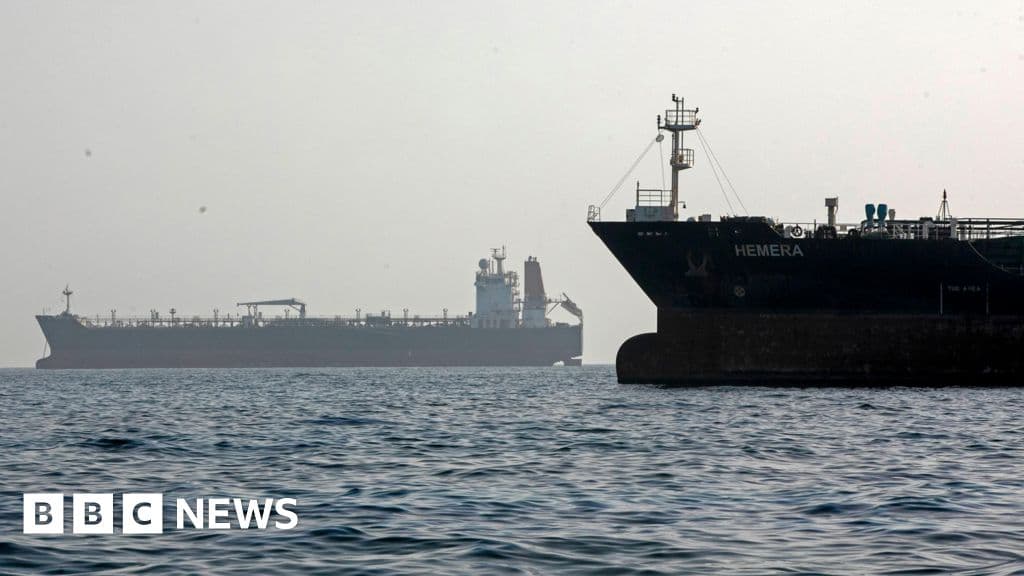
Tensions soar as the US and Iran engage in air strikes near the Strait of Hormuz, raising concerns over global oil supply and regional stability.
BBC World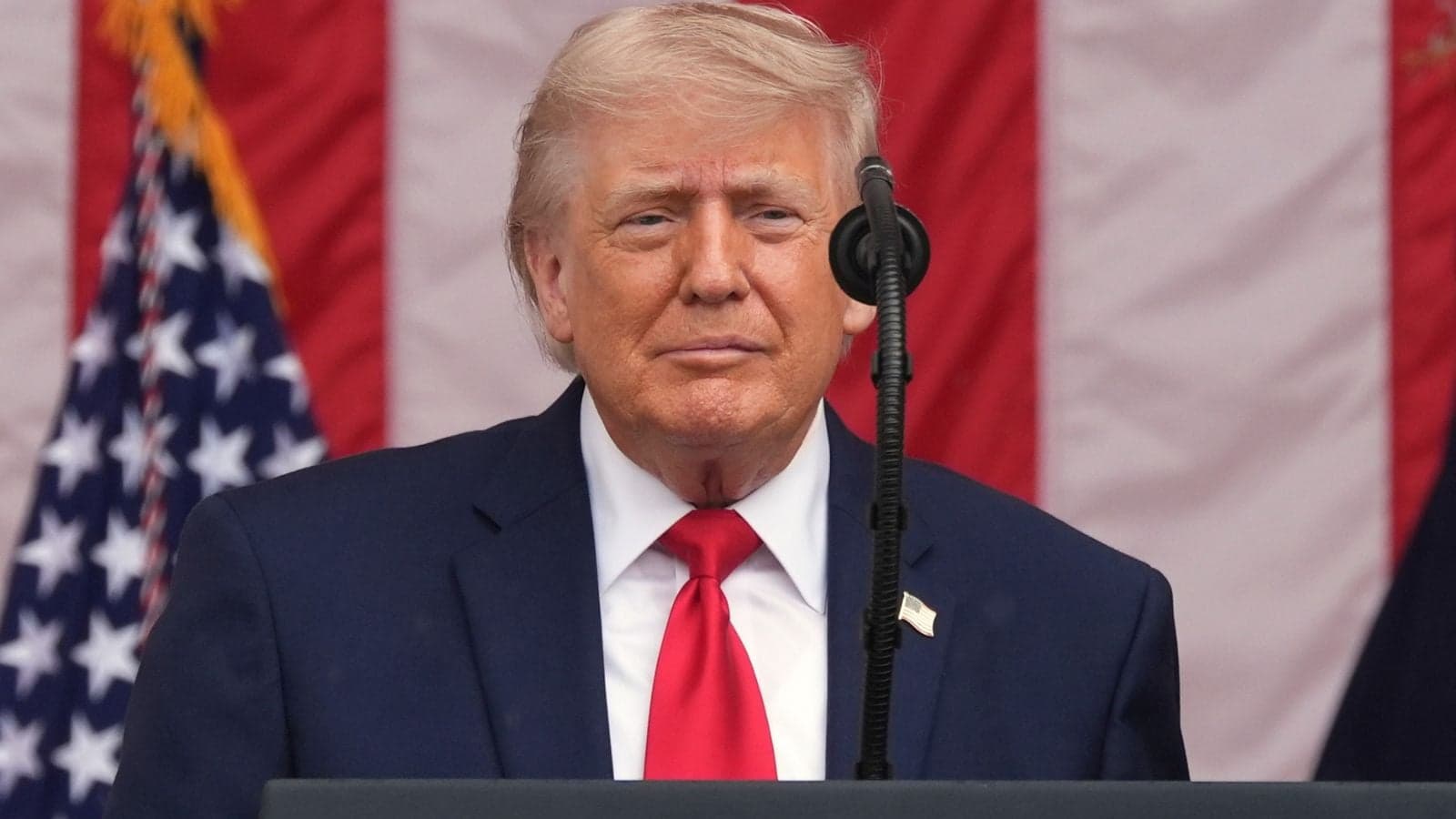
Trump's international interventions face serious stalemates. What will this mean for U.S. foreign policy? Explore the critical challenges ahead.
Indian Express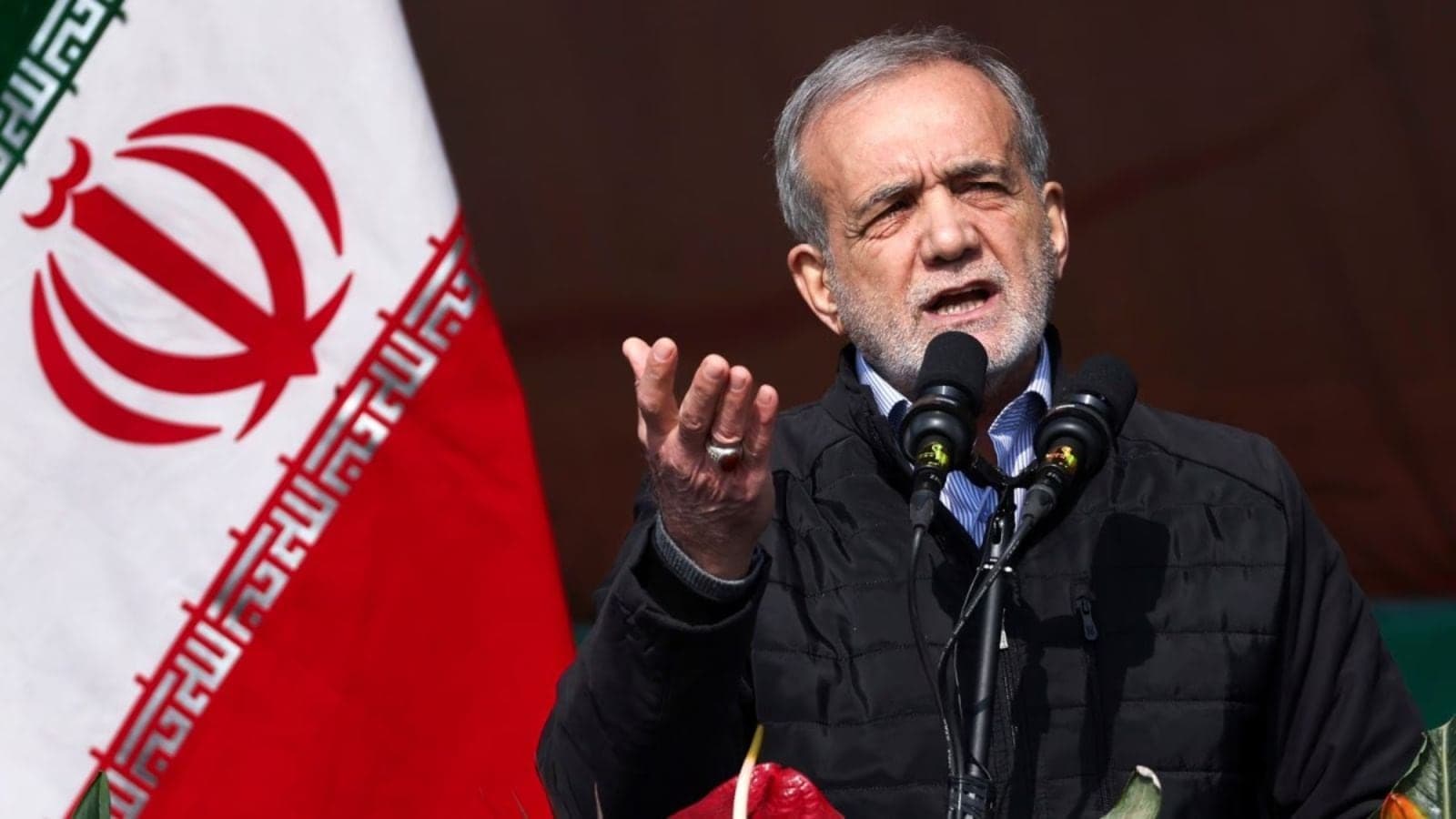
Tehran denies resignation of President Masoud Pezeshkian amid claims of IRGC influence. What does this mean for Iran's political stability? Click to learn more!
Indian Express