
Image: BBC World
Trump's $1.5 trillion defense budget proposal includes cuts to domestic spending. Discover how this plan could reshape U.S. military and social programs.
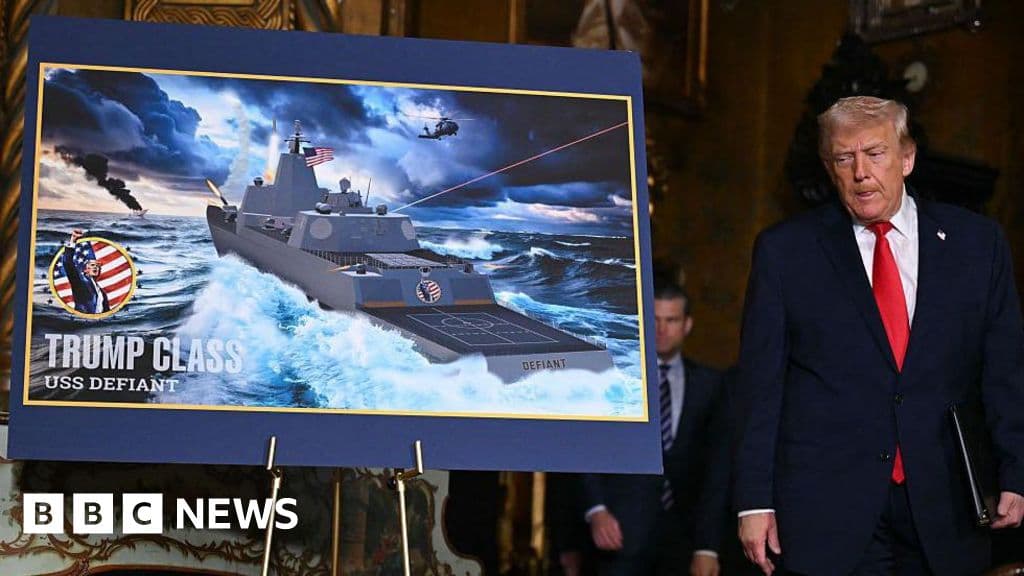
GlipzoIn a significant move, the White House is proposing a staggering $1.5 trillion budget for U.S. defense, marking the largest military expenditure increase since World War II. This ambitious plan, which aims to bolster national security and military capabilities, includes funding for the controversial Golden Dome missile defense system and emphasizes domestic production of naval vessels, particularly the newly introduced Trump-class battleships.
This proposed budget is not just about boosting defense; it also comes with a proposal to substantially cut funding across various domestic agencies. Areas targeted for reductions include climate programs, housing initiatives, and education funding. These cuts are framed by the administration as a means to eliminate what they term “woke, weaponized, and wasteful programs,” while advocating for a return of responsibilities to local governments.
The request for a $1.5 trillion defense budget is distinct from the $200 billion earmarked by the Pentagon for military operations in Iran. According to an online budget summary, this proposed defense increase represents an astounding 42% rise compared to the previous fiscal year, which amounted to approximately $445 billion.
The first of these Trump-class battleships, the USS Defiant, is slated to begin construction soon, with operational capabilities expected to be realized in approximately two and a half years.
Trump's administration has consistently expressed concerns regarding the U.S. military's preparedness, particularly in comparison to China's shipbuilding capabilities. Officials have emphasized that the U.S. currently trails behind China in both production capacity and overall output, raising alarms about national security.
In addition to the naval enhancements, the budget proposal also allocates funding for the Golden Dome program, which is estimated to cost around $185 billion. This ambitious initiative is designed to establish multiple layers of defense against advanced missile and drone attacks, incorporating land, sea, and space-based sensors and interceptors. However, the Congressional Budget Office has projected that the space systems component alone could reach $542 billion over two decades, potentially consuming a large portion of the overall defense budget.
The proposed cuts to domestic spending have prompted discussions and debates across political lines. Critics argue that reducing funding for essential services like climate initiatives and education could have detrimental impacts on communities nationwide. President Trump, however, maintains that prioritizing military spending is crucial for national security.
At a recent private event at the White House, Trump reiterated his stance on military expenditure, suggesting that the federal government should focus more on national defense rather than social programs. He stated, "It's not possible for us to take care of daycare, Medicaid, Medicare, all of these individual things; they can do it on a state basis. Our focus should be on military protection."
As this bold budget proposal heads to Congress, it is essential to consider both the potential implications of such an expansive defense budget and the political climate surrounding it. The proposed cuts to domestic programs may face significant resistance from lawmakers, particularly those advocating for social services and environmental protections.
In conclusion, the forthcoming discussions in Congress will not only determine the fate of this unprecedented defense budget but also set the tone for debates on national priorities. As the nation watches closely, the decisions made in the coming months will have lasting impacts on both military readiness and domestic welfare.

Tensions soar as the US and Iran engage in air strikes near the Strait of Hormuz, raising concerns over global oil supply and regional stability.
BBC World
Trump's international interventions face serious stalemates. What will this mean for U.S. foreign policy? Explore the critical challenges ahead.
Indian Express
Tehran denies resignation of President Masoud Pezeshkian amid claims of IRGC influence. What does this mean for Iran's political stability? Click to learn more!
Indian Express