
Image: BBC World
Trump's envoys are heading to Pakistan for crucial Iran peace talks. Discover what this could mean for US-Iran relations and global stability.
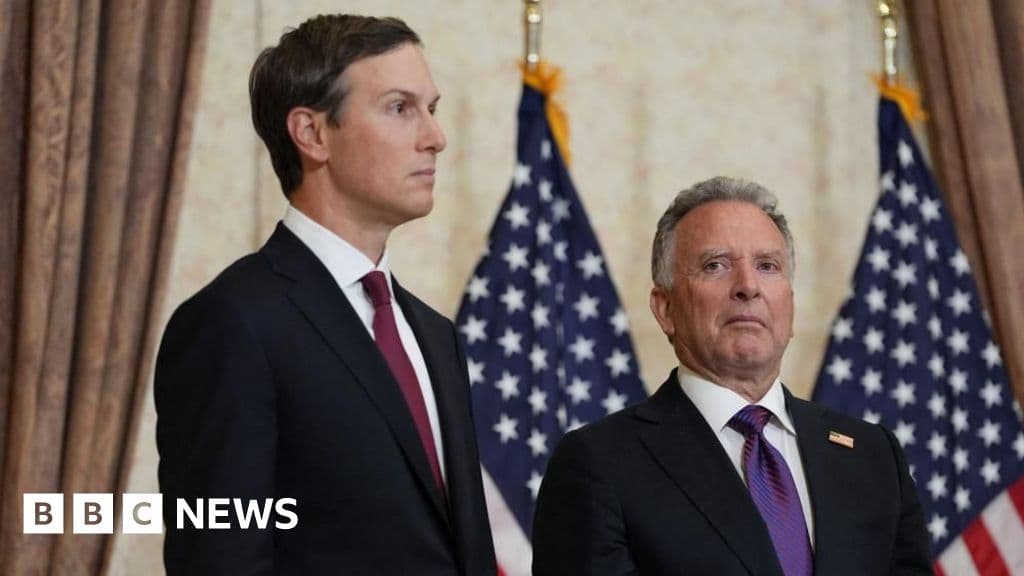
GlipzoIn a significant diplomatic move, Donald Trump’s special envoy Steve Witkoff and Jared Kushner, the President's son-in-law, are set to travel to Pakistan this Saturday for critical peace discussions concerning Iran. The White House confirmed this development, marking an important step in ongoing efforts to stabilize relations in the region.
According to White House Press Secretary Karoline Leavitt, the Iranian government has expressed a desire to engage in discussions, stating, "The Iranians want to talk." Furthermore, US Vice-President JD Vance is reportedly on standby for potential travel, contingent upon the success of the negotiations.
While the US officials are optimistic about the discussions, Iran’s Foreign Ministry spokesman Esmail Baqaei clarified that there are no plans for direct talks between Iran and the United States during this trip. Instead, he indicated that Iranian officials, including Foreign Minister Abbas Araghchi, who arrived in Islamabad, would be meeting with high-level Pakistani officials to convey Iran's observations on the situation.
This clarification from Iran reflects a cautious stance amidst rising tensions. Baqaei emphasized that Araghchi’s discussions would focus on reviewing bilateral matters and regional developments, rather than engaging directly with US representatives.
In a related statement, US Defense Secretary Pete Hegseth urged Iran to consider the opportunity for a favorable agreement, emphasizing the importance of abandoning any nuclear weapon aspirations. He remarked, "All they have to do is abandon a nuclear weapon in meaningful and verifiable ways."
Hegseth also raised concerns about the ongoing blockade of the Strait of Hormuz, a crucial oil shipping route. He described the blockade as "growing and going global," indicating the potential for broader economic implications if tensions escalate further.
The backdrop of these diplomatic efforts is a series of military actions that began on February 28, where the US and Israel initiated attacks against Iran. In retaliation, Tehran has imposed restrictions on shipping through the Strait of Hormuz. This escalation has led to a surge in global oil prices, creating economic concerns worldwide.
Leavitt noted that the decision to send Witkoff and Kushner was part of Trump’s broader strategy to explore diplomatic avenues. She mentioned that the administration has observed some progress from Iranian officials recently, hinting at a more collaborative approach.
Despite the ongoing talks, there remains a palpable tension between public statements and diplomatic actions. Both Trump and Hegseth have insisted that there is no external pressure to conclude the conflict with Iran, while simultaneously pursuing negotiations. This contradiction highlights the complexities of international diplomacy.
The recent diplomatic overtures suggest that both nations are interested in resolving their differences, even as they continue to exhibit aggressive posturing publicly. The question remains as to what tangible progress can be achieved during the talks in Pakistan.
Interestingly, JD Vance, who led the initial talks earlier this month, has not been confirmed for this weekend’s meetings. His absence may signal a lack of expectation for significant breakthroughs. However, the continuation of dialogue itself is noteworthy, indicating a mutual interest in reaching an agreement.
Iran’s parliamentary speaker, Mohammad Bagher Ghalibaf, has warned that the Strait of Hormuz would remain closed due to what he described as blatant violations of the ceasefire by US and Israeli forces. He characterized the US naval blockade and Israel's military actions as taking the global economy hostage, raising the stakes for negotiations.
Iranian President Masoud Pezeshkian has expressed willingness to negotiate but pointed to ongoing threats and breaches of commitments as substantial barriers to meaningful discussions.
In light of these developments, the upcoming talks in Pakistan carry significant implications for the future of US-Iran relations. With an indefinite ceasefire extension announced by Trump earlier this week, the door remains open for continued negotiations. Key issues will need to be addressed to reduce tensions and foster a more stable diplomatic landscape.
As both nations navigate these complex discussions, observers will be watching closely to see if any breakthroughs can be achieved. The outcome of these talks may not only affect US-Iran relations but could also have far-reaching consequences for the stability of the Middle East and global oil markets.
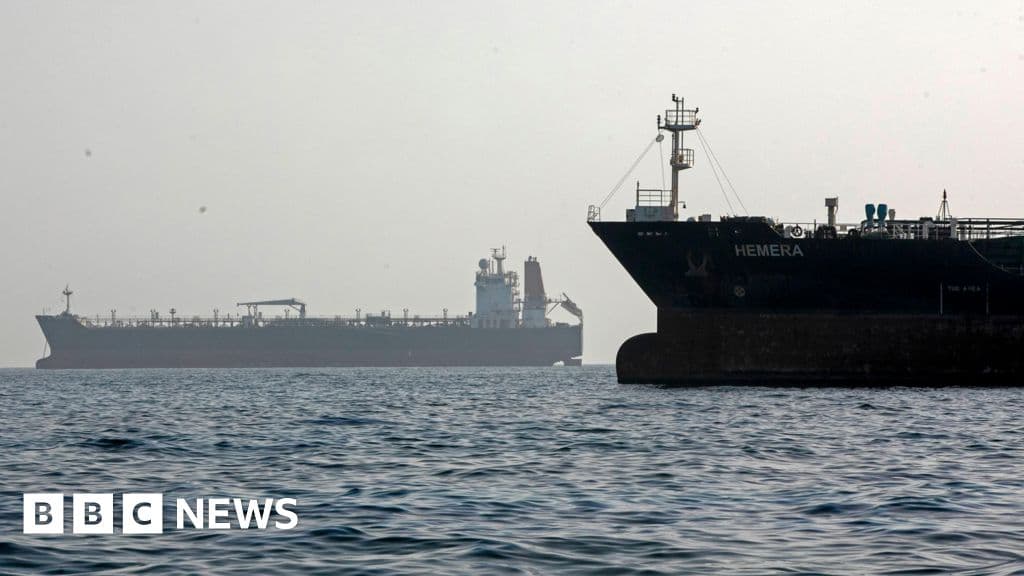
Tensions soar as the US and Iran engage in air strikes near the Strait of Hormuz, raising concerns over global oil supply and regional stability.
BBC World
Trump's international interventions face serious stalemates. What will this mean for U.S. foreign policy? Explore the critical challenges ahead.
Indian Express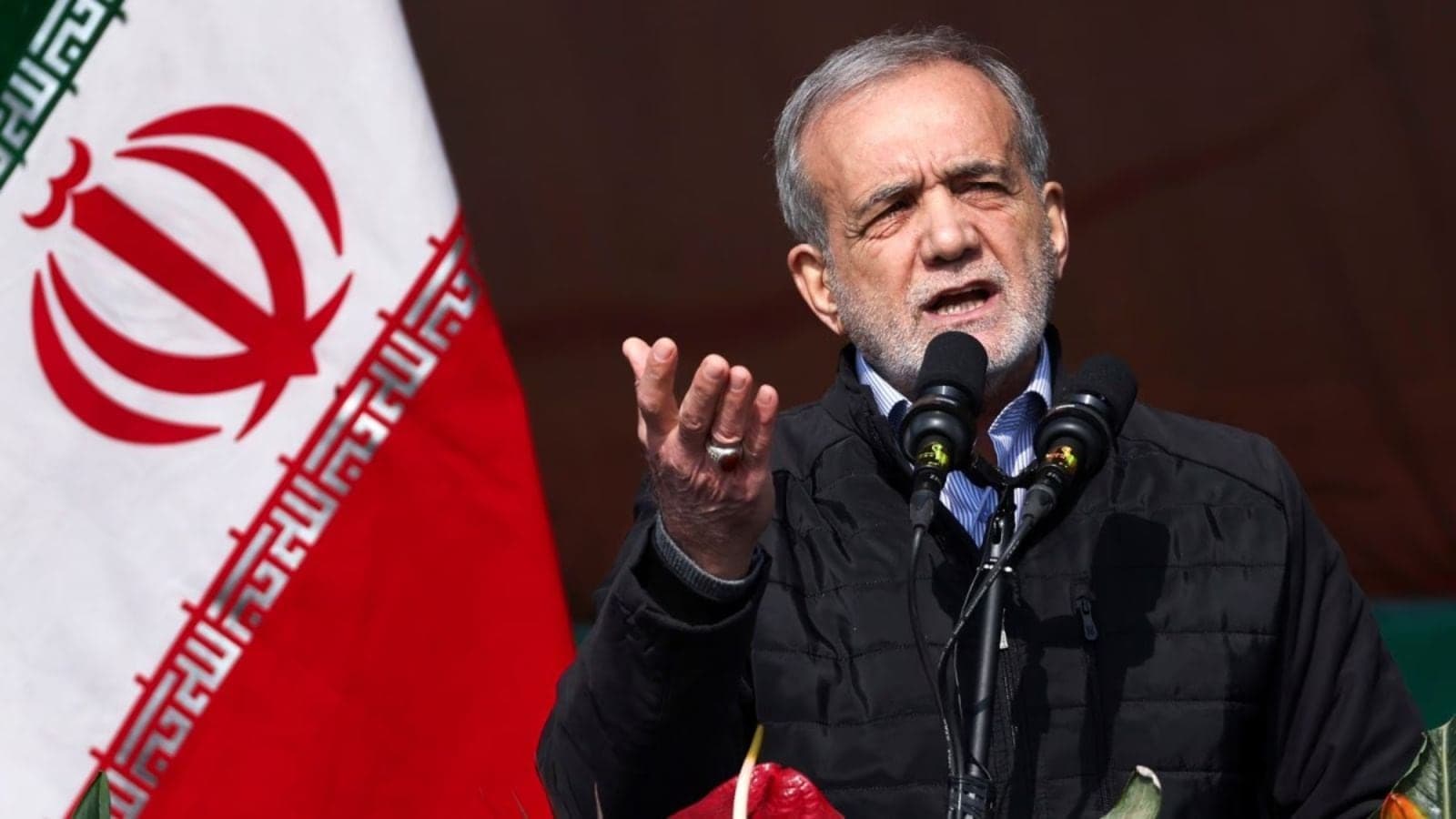
Tehran denies resignation of President Masoud Pezeshkian amid claims of IRGC influence. What does this mean for Iran's political stability? Click to learn more!
Indian Express